Jaipur: In a scathing judgment, the Rajasthan High Court has admonished the police for its inaction in tracing accused persons even 40 years after their bail bonds were forfeited and arrest-warrants issued.
The Court has directed the state home department and the director general of police to establish a special cell expressly to trace absconding accused and proclaimed offenders so that victims of crime can finally get justice.
Background of the Rajasthan HC Special Cell Absconders Case
The petition before the RHC arose from an FIR registered in 1983. While bail bonds of the accused were forfeited in 1987 following issuance of arrest warrants, the police still failed to execute the warrants and produce the accused for trial.
Over decades, the accused continued to evade the process simply by remaining “untraceable”, a situation the Court called “gross abuse of process of law”.
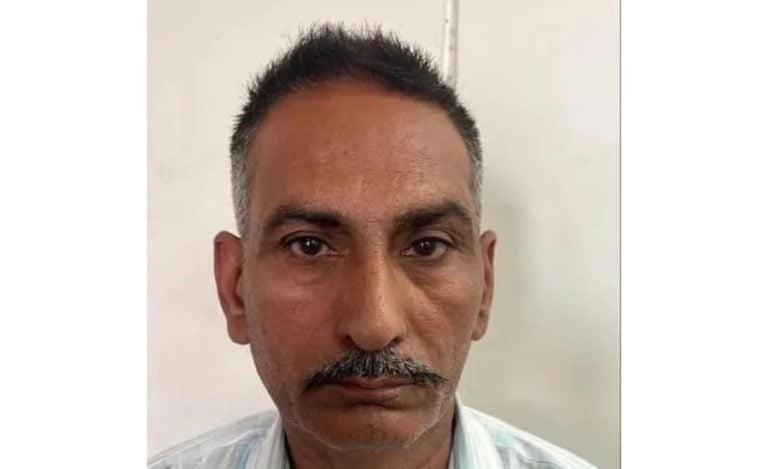
Face Behind This Judgement
The matter was heard by a bench led by Justice Anoop Kumar Dhand of the Rajasthan High Court. The bench emphasised that police authorities are duty-bound to trace absconding accused across the nation and execute arrest warrants — they cannot keep hiding behind the plea of “untraceable”.
Importance of the Rajasthan HC Special Cell Absconders Case
Restoration of faith in criminal justice: Victims often lose hope when accused roam free — this order signals the judiciary will not tolerate decades-long inertia.
Accountability of police machinery: The directive holds law-enforcement responsible for follow-through, not just registration of cases.
Systemic reform trigger: The creation of a dedicated cell could set precedent for other states grappling with pending warrants and absconders.
Deterrent effect: Knowing police must act even after decades may discourage accused from evasion and encourage earlier resolution.
Key Challenges
Resource constraints & tracking: Absconders may shift addresses, change identities, or leave state — tracing them demands manpower, databases and inter-state cooperation.
Record-keeping weakness: The fact that evidence of presence at the same place for 38+ years could be ignored points to weak systems.
Victim fatigue: The longer the delay, the more the victim and society lose faith. Cases become stale and witnesses fade.
Implementation gap: Directing a special cell is one thing, making it functional, effective and results-oriented is another.
Key Implications
For the accused: Evasion is no guarantee of escape; long-pending warrants must now be actively pursued.
For police/government: The state home department & DGP’s office must restructure process flows: from warrant issuance → tracking → arrest → production.
For victims and society: This may usher in faster closure of criminal proceedings, especially in long-pending matters affecting rights and relief.
For law & policy: Other jurisdictions may mirror the approach as the backlog of proclaimed offenders and unexecuted warrants is a national concern.
Way Forward
Operationalise the Special Cell: Define clear mandate, allocate manpower, integrate with national databases (e.g., inter-state crime portal) and create tracking protocols.
Periodic review & audit: A dashboard monitoring number of pending warrants, absconders located/arrested, and time-taken should be published for transparency.
Victim access & communication: Victims must be regularly updated on action by the cell and given recourse if there’s further delay.
Inter-agency coordination: Police must work with immigration, rail, transport, local intelligence networks to trace fugitives.
Training & culture shift: Police officers must be trained that arrest‐warrants cannot remain “shelf files” but require proactive action.
Legal amendments & policy support: Consider policy frameworks that prioritise tracking proclaimed offenders and offer incentives/recognition for high recovery rates.