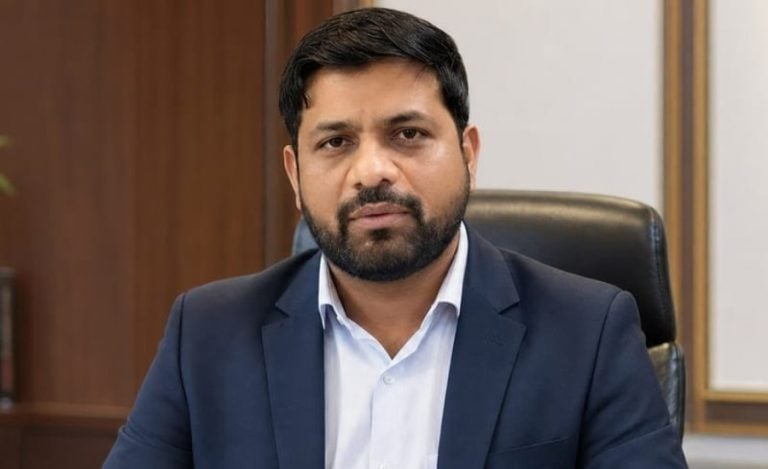
Bhopal: Madhya Pradesh cadre IAS officer Rohit Sisodia, who served as Additional Commissioner in charge of water supply at the Indore Municipal Corporation during the period preceding the Bhagirathpura water contamination tragedy, has been appointed Collector of Raisen district in the state’s latest bureaucratic reshuffle.
Sisodia was serving as Deputy Secretary in the Farmers Welfare and Agriculture Development Department before the state government appointed him to the district’s top administrative post. His appointment comes after a judicial commission investigating the deaths linked to contaminated drinking water in Indore reportedly identified him among the officials primarily responsible for administrative lapses.
The one-member commission, headed by retired Madhya Pradesh High Court judge Justice Sushil Kumar Gupta, examined the circumstances that led to sewage contamination of drinking water supplied to residents of Bhagirathpura.
Who Is Rohit Sisodia?
Rohit Sisodia is an IAS officer of the 2017 batch belonging to the Madhya Pradesh cadre. He has served in administrative roles in the state government and at the municipal level.
His posting as Raisen Collector was announced as part of a wider administrative reshuffle involving 23 IAS officers in Madhya Pradesh on October 13.
The Collector is the district’s principal administrative officer, responsible for coordinating government departments, overseeing revenue administration and implementing government programmes at the district level.
The latest appointment places Sisodia in charge of district administration in Raisen following his previous assignment in the state secretariat.
What Was Rohit Sisodia’s Role in the Indore Water Contamination Case?
Sisodia served as Additional Commissioner responsible for water supply at the Indore Municipal Corporation when the Bhagirathpura water contamination incident occurred.
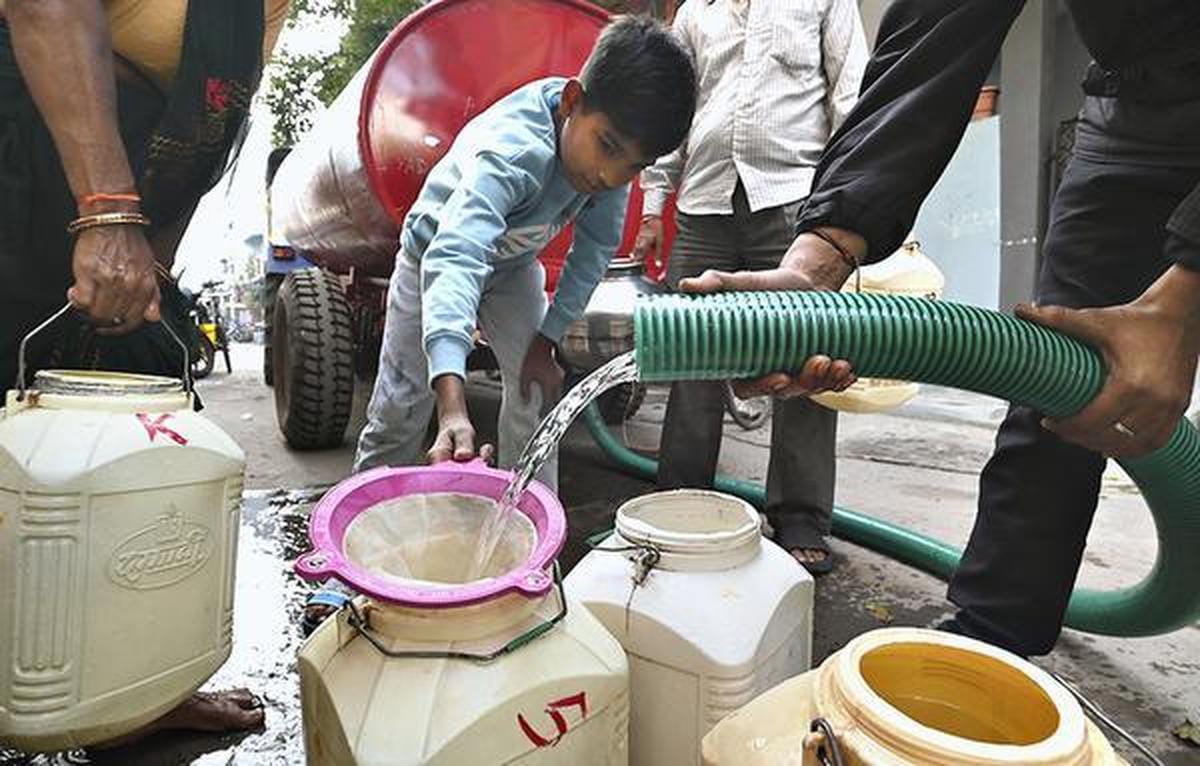
The crisis emerged in late December 2025, when residents of the locality began falling ill after consuming contaminated drinking water. The outbreak led to hospitalisations and multiple deaths, prompting investigations into the city’s water-supply infrastructure and the functioning of the municipal administration.
The Madhya Pradesh government suspended Sisodia in early January 2026 amid allegations of administrative negligence connected with the incident.
The matter subsequently came under judicial scrutiny after the Madhya Pradesh High Court appointed a commission headed by retired judge Justice Sushil Kumar Gupta to investigate the causes of contamination and the circumstances surrounding the deaths.
What Did the Judicial Commission Find?
The judicial commission submitted its report to the Indore Bench of the Madhya Pradesh High Court in August 2026. Its findings, subsequently reported by media outlets, pointed to long-standing infrastructure problems and delays in replacing ageing water pipelines.
According to reports on the inquiry, sewage entered the drinking-water supply through damaged pipelines. Delays in tendering and completing replacement work were also identified as important factors contributing to the crisis.
Sisodia and Sanjeev Shrivastava, the then executive engineer responsible for water supply, were reportedly identified as primarily responsible for lapses involving inspections, repair work and delays in replacing the pipeline.
The inquiry also examined failures extending across several decades, indicating that the incident involved broader problems in infrastructure planning and maintenance rather than a single isolated failure.
Key issues highlighted in reports on the inquiry include:
- Water contamination: Sewage reportedly entered the drinking-water network supplied to residents of Bhagirathpura.
- Ageing infrastructure: Existing water and sewerage pipelines had developed defects over time.
- Delayed replacement work: Delays in tendering and implementing pipeline replacement projects were identified as significant factors.
- Inspection and maintenance: The inquiry examined lapses in monitoring, repairs and the handling of infrastructure problems.
- Administrative accountability: The report reportedly identified officials responsible for specific lapses in the management of the water-supply system.
The commission’s findings are part of the ongoing judicial proceedings. The identification of an officer as responsible for administrative lapses in an inquiry report should not, by itself, be treated as a criminal conviction.
How Many People Died in the Indore Water Tragedy?
The contamination crisis in Bhagirathpura became one of the most serious public-health incidents linked to drinking-water infrastructure in Indore in recent years.
Reports have referred to 36 deaths during the wider episode. However, findings reported from the judicial inquiry indicated that 24 of those deaths were directly linked to the consumption of sewage-contaminated water, while the connection could not be conclusively established in the remaining cases.
The distinction is important because the overall number of deaths reported during the crisis and the number specifically linked to contaminated water are not necessarily identical.
The incident prompted scrutiny of water quality, pipeline maintenance, municipal inspections and the administrative decisions surrounding replacement of the ageing infrastructure.
From Indore Municipal Corporation to Raisen Collector
Before his appointment as Raisen Collector, Sisodia was serving as Deputy Secretary in the Farmers Welfare and Agriculture Development Department.
His earlier assignment at the Indore Municipal Corporation involved responsibility for water supply, placing him within the administrative structure responsible for overseeing the city’s water-distribution system.
The October 13 reshuffle transferred him to Raisen, where he will head the district administration. The wider exercise also involved changes to the postings of several other IAS officers, including district collectors and senior officials serving in state departments.
The appointment marks a new administrative assignment for Sisodia as questions surrounding accountability for the Indore water contamination incident continue to be examined through the judicial process.
What Happens Next in the Indore Water Contamination Case?
The judicial inquiry has brought attention to the condition of Indore’s water-supply infrastructure, delays in replacing damaged pipelines and the responsibilities of officials involved in managing the system.
The findings are expected to remain relevant to proceedings concerning accountability for the incident and measures needed to prevent similar failures.
For Sisodia, the appointment as Raisen Collector comes against the background of the inquiry’s reported findings concerning his earlier municipal assignment. Any further action arising from those findings will depend on the decisions taken by the competent authorities and the course of the relevant proceedings.