New Delhi: The Supreme Court Muslim inheritance law case has taken a significant turn as the top court issued a notice to the Union Government on a plea alleging that existing Muslim inheritance rules are discriminatory against women.
The matter raises serious constitutional questions about gender equality, personal laws, and fundamental rights in India. The case is being closely watched as it could impact how inheritance laws apply to Muslim women across the country.
Supreme Court Directives on Muslim Inheritance Law Case
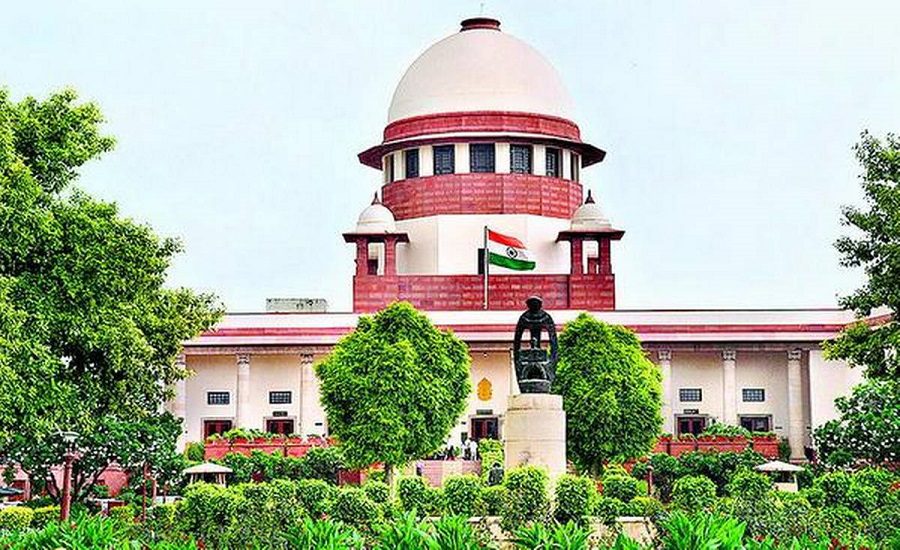
The Supreme Court of India on April 16, 2026, issued a notice to the Union Government in response to a writ petition challenging provisions of Muslim personal law related to inheritance.
Read also: Is the Right to Vote a Fundamental Right in India? Key Facts, Legal Meaning, and Impact Explained
- The Court asked the Centre to file its response.
- It also directed petitioners to bring real affected individuals (aggrieved parties) on record.
- The matter will be heard along with similar pending petitions.
This indicates that the Court is treating the issue as a serious constitutional matter but wants stronger representation from directly affected women.
Muslim Inheritance Law Case: What the Petition Claims
The petition challenges provisions of the Muslim Personal Law (Shariat) Application Act, 1937, arguing that they violate fundamental rights.
Key arguments include:
- Muslim women often receive less inheritance than men, which is claimed to be discriminatory.
- The petition seeks equal inheritance rights under Articles 14, 15, and 21 of the Constitution.
- It argues that such inheritance rules are not essential religious practices, and therefore can be reviewed by courts.
The plea also highlights that women may receive “half or even less” compared to male counterparts, raising concerns about gender justice.
Debate Over Personal Law vs Fundamental Rights
During the hearing, the Court raised an important question:
- Can courts interfere in personal laws based on religion?
The bench observed that this is a sensitive issue and may involve legislative policy decisions.
At the same time, petitioners argued that:
- If a law is discriminatory, it can be struck down.
- Gender equality must override outdated practices.
Uniform Civil Code Angle
The discussion also touched upon the idea of a Uniform Civil Code (UCC).
- The Court earlier observed that UCC could be a long-term solution to such issues.
- Judges noted that UCC is a constitutional aspiration aimed at ensuring equality.
However, the Court also acknowledged the social sensitivity of implementing such reforms.