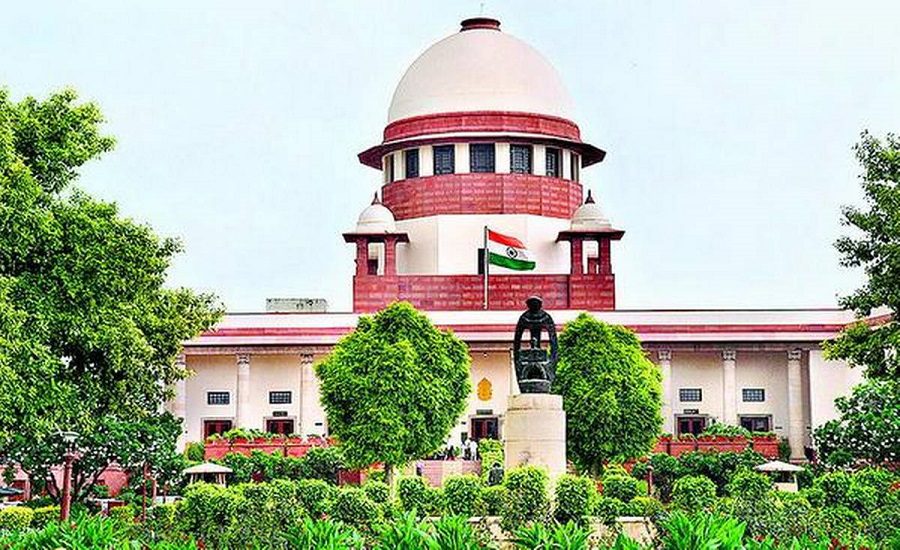
New Delhi: The Supreme Court of India has ruled that medically unfit candidates cannot retain public employment in uniformed services, even if administrative lapses occurred during recruitment.
In the case of State of Uttar Pradesh vs Ajay Kumar Malik, the Court restored the dismissal of a UP Police constable, reinforcing that medical fitness is a fundamental eligibility condition.
The judgment highlights the need for stricter scrutiny in police recruitment and sends a strong message to state authorities about maintaining integrity in public appointments.
UP Police Recruitment Row: Supreme Court Key Observation
A bench of and made it clear that eligibility criteria go to the root of public employment.
Read also: Sabarimala Row: These 7 Supreme Court Questions Could Reshape India’s Religious Freedom Laws
The Court ruled that:
- A candidate who is medically unfit has no right to continue in service.
- Administrative mistakes or parity with other candidates cannot justify illegal appointments.
- There is no concept of “negative equality” in law.
The Court sharply criticized the earlier decisions of the and the Services Tribunal for ignoring the candidate’s medical condition.
Background of the UP Police Recruitment Row
- The respondent was appointed as a Police Constable in 2005.
- In 2007, a Medical Board declared him unfit due to “knock knee” condition, which disqualifies candidates for police service.
- His services were terminated the same year.
However:
- He was provisionally reinstated in 2013, citing parity with another candidate.
- The State later terminated his services again in 2017 after disciplinary proceedings.
- The Services Tribunal (2021) and later the Allahabad High Court (2023) ruled in his favor.
The Supreme Court has now set aside those decisions and restored the termination.
Medical Fitness Is Non-Negotiable in Uniformed Services
The Court emphasized that uniformed services like police require strict physical standards.
It observed:
- The candidate was medically unfit from the beginning.
- His appointment was invalid at its core.
- Once ineligibility is established, the appointment cannot be sustained.
The Court stated that the matter ends once medical disqualification is proven, leaving no room for further justification.
Suppression of Facts by the Candidate
The Court also found that the respondent had deliberately concealed his medical condition.
According to the judgment:
- The candidate knew disclosure would disqualify him.
- Yet, he presented himself as eligible.
- This amounted to “suppressio veri and suggestio falsi” (concealment of truth and misrepresentation).
This finding further strengthened the Court’s decision to uphold the dismissal.
UP Police Recruitment Row: Supreme Court Slams Police officers Conduct
The Court expressed serious concern over the role of senior police officers, especially the Superintendent of Police.
Key criticism included:
- Failure to verify eligibility before reinstatement
- Lack of responsibility and due diligence
- Weak oversight damaging public trust
The Court warned that such negligence:
- Harms the credibility of recruitment systems
- Leads to eligible candidates being unfairly excluded
Warning to State Authorities
While ruling against the constable, the Court also pointed out lapses by the State:
- Authorities failed to exercise proper vigilance
- Recruitment and reinstatement processes were poorly managed
The Court advised the State to:
- Streamline recruitment systems
- Ensure strict compliance with eligibility rules
It also warned that future failures could invite stricter judicial action.
Relief Granted to the Respondent
Despite upholding the dismissal, the Court provided limited relief:
- No recovery of salary already paid
- Payment of pending dues for actual service
- 6% annual interest if dues are not cleared within 4 weeks