New Delhi: The UGC Equity Rules 2026 have become the centre of a heated legal and political debate in India after multiple petitions were filed in the Supreme Court challenging the exclusion of general category students from the grievance redressal mechanism under the regulations.
What Are the UGC Equity Regulations 2026?
The University Grants Commission (UGC) notified the University Grants Commission (Promotion of Equity in Higher Education Institutions) Regulations, 2026 on January 13, replacing an earlier 2012 framework aimed at addressing discrimination on campuses.
Read also: Supreme Court Makes Police Reporting Mandatory in Student Suicide and Unnatural Death Cases
UGC Equity Rules 2026 are guidelines made by the University Grants Commission to make higher education fair for everyone in India. These rules focus on equal chances for students from all backgrounds, including women, poor families, disabled students, and marginalized communities. Colleges and universities must remove discrimination, improve access, and give support like scholarships, ramps, hostels, counseling, and safe campuses.
The rules also ask institutions to collect data, form equity cells, and report progress regularly. Overall, the goal is to ensure that talent, not money, gender, caste, or disability, decides who can study and succeed in higher education nationwide today.
Core Provision Under Challenge: Definition of Caste Discrimination
At the heart of the legal challenge is Regulation 3(c), which defines “caste-based discrimination” as discrimination only against members of the Scheduled Castes (SC), Scheduled Tribes (ST), and Other Backward Classes (OBC).
Critics contend this definition denies protection and access to grievance redressal mechanisms for students and faculty belonging to general or unreserved categories.
This legal interpretation, opponents argue, effectively makes the grievance process non-inclusive and contrary to Article 14 (equality before the law) and Article 15(1) (prohibition of discrimination) of the Constitution of India.
UGC Equity Rules 2026: What’s the Petition About?
Several petitioners, including Advocate Vineet Jindal and others, have filed writ petitions in the Supreme Court:
- They argue the current definition institutionalises discrimination by excluding general category students and thereby denies them equal access to institutional grievance redressal.
- The petitioners seek a caste-neutral definition of discrimination so that any student, regardless of caste or category, can file complaints under the equity framework.
- Interim relief was also sought to prevent enforcement of the challenged provision until the constitutional validity is decided.
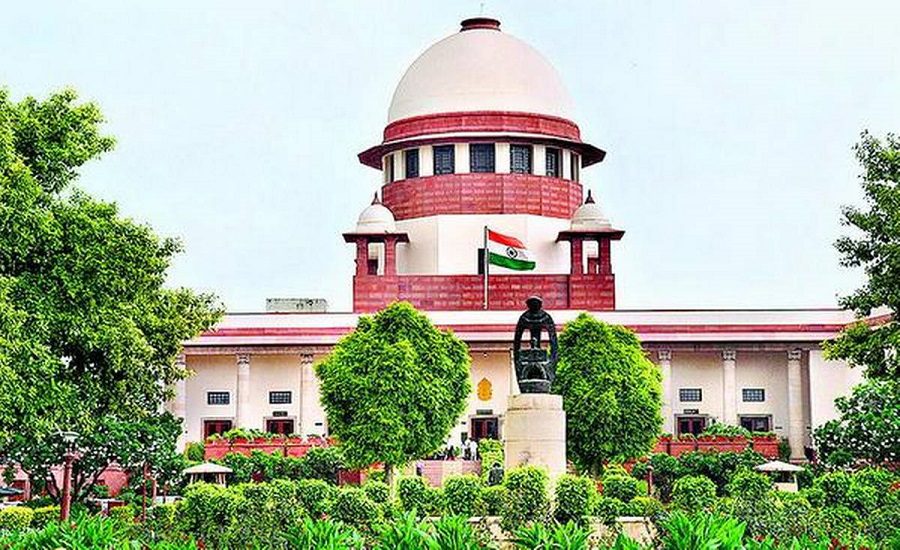
The Supreme Court has agreed to list and hear the petitions filed against the UGC’s equity regulations, with Chief Justice Surya Kant overseeing the matter.
UGC Equity Rules 2026: Wider Backlash
The UGC Equity Rules 2026 have sparked widespread protests across university campuses in multiple states, including Uttar Pradesh, with students arguing the new framework could lead to harassment and bias on campuses.
Political and Administrators’ Response
- A notable development saw UPSC-ranked officers resigning in protest against the regulations, citing perceived bias against general category students.
- Union Education Minister Dharmendra Pradhan has defended the rules, asserting that they are not intended to be misused and that equity mechanisms will be implemented responsibly.
- Student organisations such as the ABVP have urged the UGC to provide greater clarity and ensure democratic values while supporting the overarching aim of equity.
Support for the Rules and Government’s Position
Proponents of the regulation argue that the framework is necessary to create meaningful mechanisms against discrimination that go beyond advisory guidelines and establish enforceable action from institutional to national levels.
The regulations were drafted initially following a Supreme Court direction to address long-standing complaints of caste discrimination, including most prominently raised by the families of Rohith Vemula and Payal Tadvi.
Read also: Supreme Court Reservation Verdict Explained: How Reserved Candidates Can Legally Get General Seats