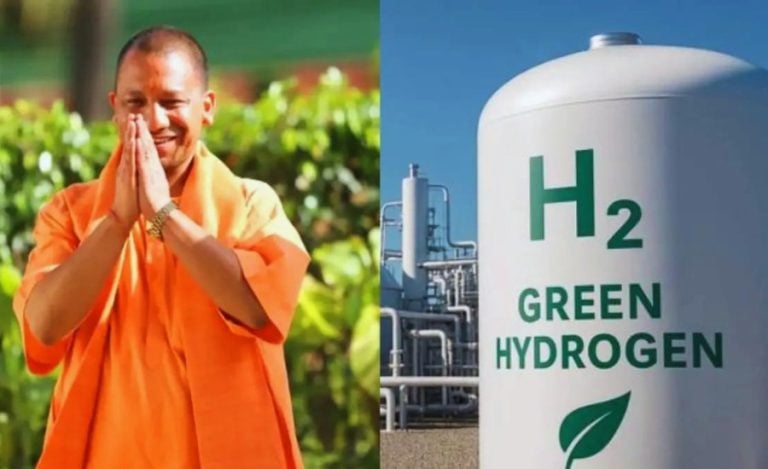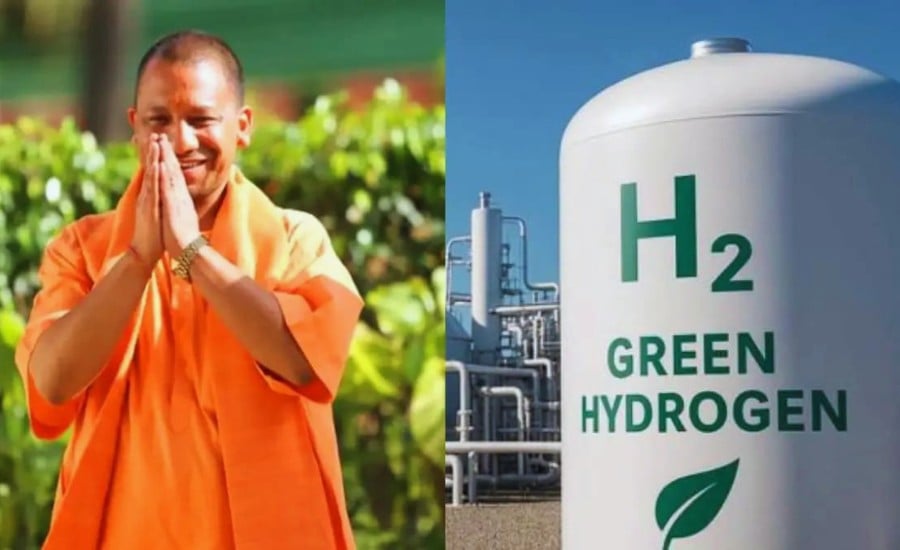
Lucknow: The Uttar Pradesh Green Hydrogen Policy, 2024 aims to establish a state-wide ecosystem for green hydrogen and green ammonia by supporting production, renewable-energy integration, manufacturing, storage, transportation, research and industrial applications.
The policy was notified in March 2024 and is designed to remain operational for five years, unless amended or replaced by the state government. The Uttar Pradesh New and Renewable Energy Development Agency (UPNEDA) is the nodal agency for its implementation.
The policy targets 1 million metric tonnes per year of green hydrogen and green ammonia production capacity by 2028. It also envisages the creation of research infrastructure and an ecosystem for private investment in the sector.
What Does the Policy Cover?
The framework extends beyond green hydrogen production plants. It covers activities across the hydrogen value chain, including:
- Green hydrogen and green ammonia production
- Renewable-energy generation linked to hydrogen projects
- Manufacturing of electrolysers and related equipment
- Hydrogen-based products and industrial applications
- Hydrogen storage, transportation and distribution
- Hydrogen pipelines and associated infrastructure
- Research, development and testing
- Skill development and innovation
- Common facilities for eligible projects
Read Also: CM Yogi Launches UP Startup Mission Portal and Startup Policy 2026 as State Crosses 24,000 Startups
Projects must comply with the applicable national standards for green hydrogen to qualify for benefits.
Key Targets Under the Policy
The Uttar Pradesh government has identified several objectives:
- 1 million metric tonnes per year green hydrogen/green ammonia production capacity by 2028.
- Development of four Centres of Excellence for research, development and technological innovation.
- Promotion of green hydrogen consumption in sectors such as fertilisers and refineries.
- Development of infrastructure for storage, transportation and distribution.
- Greater integration of renewable energy with hydrogen production.
The state currently has significant hydrogen demand from sectors including fertilisers and refineries, and the policy seeks to progressively replace conventional hydrogen with green alternatives.
Major Incentives for Green Hydrogen Projects
Capital Subsidy
Eligible projects can receive capital subsidy of up to 30%. The first five projects can receive an enhanced subsidy of up to 40%, subject to the policy’s conditions and prescribed ceilings. The official Invest UP summary places the maximum total subsidy for the first five projects at ₹225 crore.
Land at Concessional Rates
The policy provides for government land to support eligible projects.
- Private developers: ₹15,000 per acre per year
- Public-sector entities: ₹1 per acre per year
- 100% stamp-duty exemption for eligible projects
The availability and allotment of land remain subject to the applicable government procedures.
Electricity and Power-Related Benefits
Eligible projects can receive:
- 100% electricity-duty exemption for the first 10 years or the life of the project, whichever is earlier.
- 100% exemption on specified intra-state wheeling, transmission and cross-subsidy charges for the applicable period.
- A monthly power-banking facility for green hydrogen projects for up to 25 years or the life of the project, whichever is earlier.
Renewable energy consumed for green hydrogen production can also count towards the project’s Renewable Purchase Obligation benefits under the policy framework.
Research and Centres of Excellence
Research and technological development form a key part of the policy.
The government plans to establish four Centres of Excellence to support areas such as hydrogen production technologies, electrolysis, storage and transportation, industrial applications, safety, testing and commercialisation of research.
The policy also seeks to encourage innovation and skill development around the emerging hydrogen economy.
Who Can Benefit?
The policy can cover eligible entities involved in:
- Green hydrogen production
- Green ammonia production
- Renewable-energy projects supplying hydrogen units
- Electrolyser and hydrogen-equipment manufacturing
- Hydrogen-based industrial products
- Storage and transportation infrastructure
- Hydrogen pipelines and distribution networks
- Research and development
- Testing, innovation and skill development
However, being involved in renewable energy or hydrogen-related activity alone does not automatically qualify a project for every incentive. Eligibility depends on the applicable policy conditions, technology, investment and compliance with the national green hydrogen standards.
Ease of Doing Business Measures
The policy also includes administrative measures intended to facilitate investment.
Green hydrogen projects are accorded White Category status for environmental-clearance purposes. The state also proposes land banks, identification of water sources and transmission infrastructure to facilitate projects.
A dedicated single-window portal has also been provided for green hydrogen projects.
Employment and Investment Potential
The policy has been associated with an estimated potential for around 1.2 lakh jobs by 2028. This figure is a government projection and should not be interpreted as the number of jobs already created under the policy.
The policy is intended to attract private investment while developing supporting industries around electrolysers, renewable energy, storage systems, transportation infrastructure and hydrogen-based manufacturing.
Why the Policy Matters
Uttar Pradesh’s policy is aligned with the National Green Hydrogen Mission and seeks to build a state-level ecosystem around a fuel that can be used in sectors where direct electrification can be difficult.
The initial focus includes industries such as fertilisers and refineries, while the policy framework also covers wider applications in chemicals, heavy transport, energy storage and other industrial sectors.
The success of the policy will ultimately depend on the development of renewable-energy capacity, project financing, infrastructure, technology, demand for green hydrogen and actual commissioning of projects.
The Uttar Pradesh Green Hydrogen Policy, 2024 therefore combines production targets with financial incentives, power concessions, infrastructure support and research initiatives to position the state as a major green hydrogen hub.