Lucknow: Uttar Pradesh is pursuing a decentralised development model aimed at creating multiple centres of investment, employment and enterprise beyond its established industrial hubs.
The strategy supports the state’s larger ambition of becoming a trillion-dollar economy while spreading economic opportunities across districts, smaller cities and emerging industrial regions.
ODOP Gives Districts an Economic Identity
The One District One Product (ODOP) initiative remains a key part of this approach. Products such as Varanasi textiles, Bhadohi carpets, Moradabad brassware, Saharanpur woodwork, Aligarh locks, Meerut sports goods and Lucknow chikankari are being linked with modern markets.
Branding, skill development, credit, packaging, e-commerce, exhibitions and export support can help local artisans and MSMEs retain more value within their districts.
Read Also: Uttar Pradesh ODOP MDA Scheme Helps Artisans Take Local Products to National and Global Markets
Expressways Reshape Investment
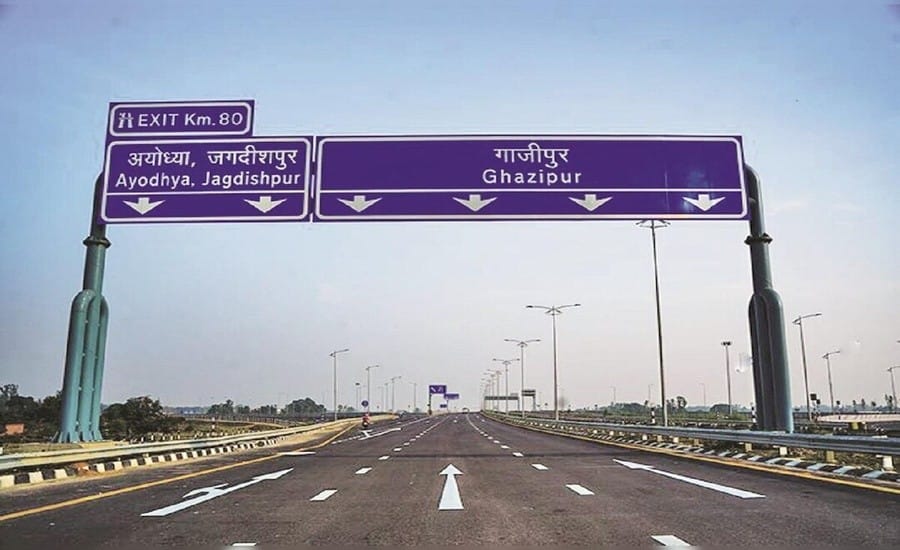
Uttar Pradesh’s expanding expressway network is opening new opportunities in Purvanchal and Bundelkhand.
Better connectivity can support logistics parks, warehouses, manufacturing units, food processing and service businesses. The emerging model aims to connect previously less-developed regions with major markets while allowing them to build industries around their own strengths.
Incentives to Attract Investment
The state is also using differentiated incentives to encourage investment in less-developed regions.
Industrial policies offer stronger incentives for areas such as Bundelkhand and Purvanchal, including stamp-duty benefits. Since 2017, the state has received investment proposals worth around ₹50 lakh crore, although their actual implementation and regional distribution will determine the impact on jobs and local economies.
Export Push to Bring Districts Into Global Markets
The Export Promotion Policy 2025–30 aims to increase Uttar Pradesh’s exports from around US$21 billion in FY2024 to US$50 billion by 2030.
The policy focuses on bringing MSMEs, startups, ODOP enterprises and first-time exporters into global markets. Stronger export ecosystems could create demand for suppliers, designers, packaging units, logistics providers and other local businesses.
100 New Townships Planned
The government’s plan for 100 new townships over five years adds an urban dimension to the decentralisation strategy.
These townships are expected to provide integrated infrastructure such as roads, water supply, electricity, healthcare, education, commercial areas and green spaces. They could also become support centres for nearby industrial parks, agricultural clusters, logistics hubs and tourism destinations.
Building Multiple Growth Centres
The emerging model divides Uttar Pradesh’s economic potential across different regions. Bundelkhand can expand in defence manufacturing, renewable energy and logistics, while Purvanchal has opportunities in agriculture, food processing, textiles, pharmaceuticals and tourism.
Western Uttar Pradesh will continue to benefit from its proximity to Delhi-NCR, while central Uttar Pradesh can strengthen manufacturing, IT, logistics and services.
The broader objective is not to shift growth away from established centres, but to create additional engines of growth across the state. For smaller cities and districts, this could mean more local jobs, entrepreneurship opportunities and reduced dependence on migration to major metropolitan centres.
Read Also: UP Govt Proposes Major Bylaw Changes to Allow Civic Facilities in Green Belts and 50+ Bed Hospitals