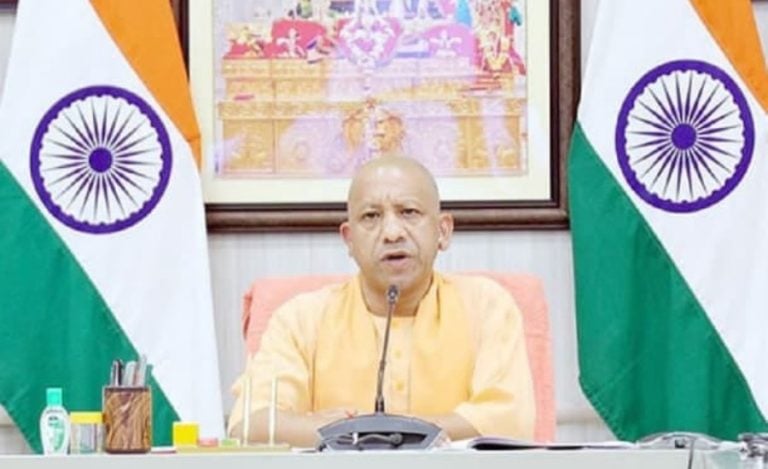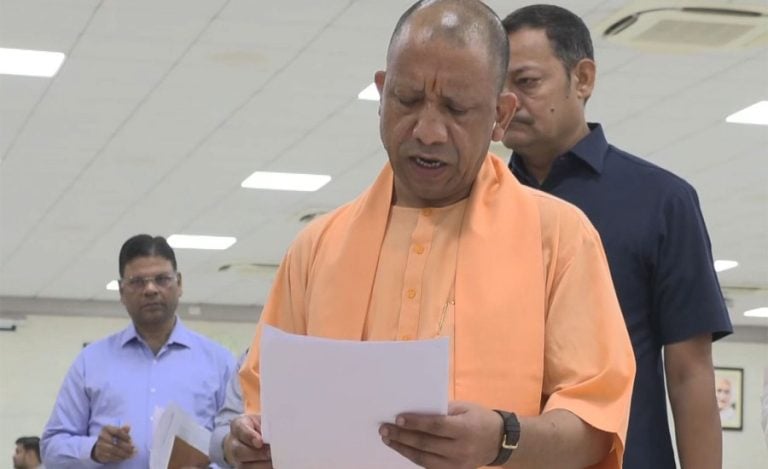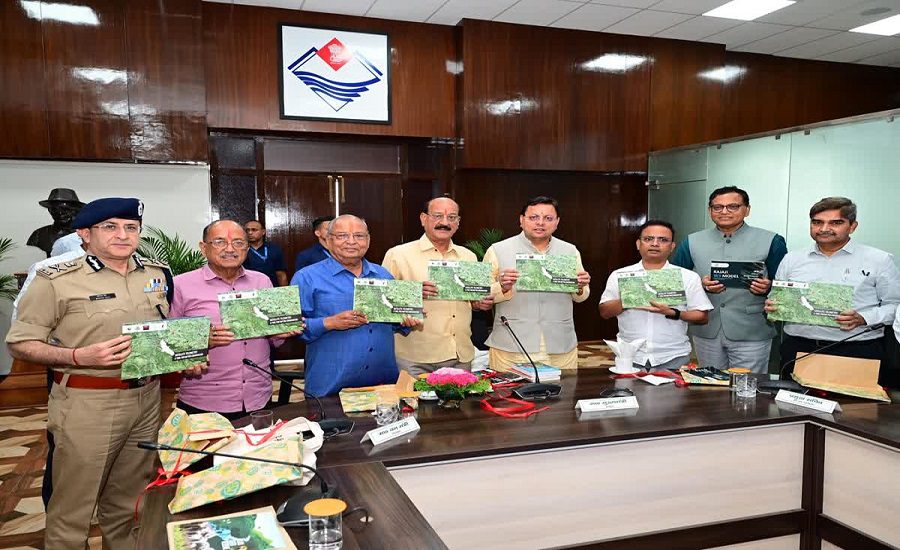
Dehradun: The 21st meeting of the State Wildlife Board was held under the chairmanship of Chief Minister Pushkar Singh Dhami, where key decisions were taken focusing on forest conservation, eco-tourism expansion, and reducing human-wildlife conflict in Uttarakhand.
With nearly 71% of Uttarakhand’s area covered in forests, the state government is working to protect forest ecosystems while linking forest resources with livelihood opportunities.
Focus on Balancing Ecology and Economy in Next 10-Year Plan
During the meeting, CM Dhami directed officials to prepare a comprehensive 10-year action plan that maintains a balance between ecology and economy.
He emphasized:
- Expansion of eco-tourism activities near forest areas
- Sustainable use of forest resources for livelihood generation
- Strengthening coordination between forest and finance departments
The Chief Minister said forest wealth must be integrated with economic development in a sustainable manner.
Strong Push for Eco-Tourism and Forest Infrastructure
The Chief Minister instructed officials to accelerate several tourism and infrastructure projects, including:
- Speeding up construction of Haldwani Zoo and Safari
- Improving maintenance of forest rest houses for tourist facilities
- Promoting eco-tourism destinations across forest regions
- Developing new tourism destinations in biodiversity-rich areas
He also stressed the need to promote eco-tourism while ensuring minimal environmental impact.
Measures to Reduce Human–Wildlife Conflict
A major focus of the meeting was addressing human-wildlife conflict incidents in the state.
CM Dhami directed:
- Implementation of a digital tracking system for compensation payments
- Ensuring quick relief to affected families
- Strengthening on-ground response by forest officials after incidents
Officials informed that in the financial year 2024–25, approximately ₹19.55 crore compensation was distributed to affected families.
Conservation Efforts and Wildlife Management Initiatives
The board reviewed several conservation measures, including:
- Approval of 25 proposals related to forest land transfer and protected area management
- Decisions to be forwarded to the National Wildlife Board
- Support for Rudranath pilgrimage route management through Eco Development Committees (EDC)
- Establishment of a Mini Transit Treatment Centre in Kedarnath Wildlife Division, Gopeshwar
Additionally, the state highlighted progress in wildlife management programs, including monkey sterilization efforts, where over 75,000 monkeys have been sterilized in the last three years, with a target of 40,000 more in 27 forest divisions this year.
Mahseer Conservation and Biodiversity Protection
CM Dhami also emphasized special efforts for the conservation of the Mahseer fish species, which is considered ecologically significant in Himalayan river systems.
The government reaffirmed its commitment to protecting biodiversity while ensuring sustainable use of natural resources.
Expansion of Eco-Tourism Zones in Uttarakhand
Officials informed the meeting that in the past year:
- Four new eco-tourism zones have been established in the state
The government aims to further expand eco-tourism to boost rural employment and strengthen local economies while preserving natural habitats.
Forest Wealth to Be Linked with Livelihoods: Forest Minister
Forest Minister Subodh Uniyal highlighted that Uttarakhand is a biodiversity-rich state and stressed the importance of:
- Efficient utilization of forest resources
- Linking forest-based activities with rural livelihoods
- Developing new tourism destinations
- Strengthening sustainable forest management practices
The 21st State Wildlife Board meeting marks a significant step toward integrating conservation with economic development in Uttarakhand. With a strong focus on eco-tourism, wildlife protection, and livelihood generation, the state aims to create a balanced model of sustainable development while preserving its rich forest ecosystem.