Thiruvananthapuram: In a significant administrative development, the Kerala government has appointed IAS officer Seeram Sambasiva Rao (IAS:2012:KL) as the new Excise Commissioner, restoring the post to the Indian Administrative Service cadre after nearly a decade. The appointment follows a recent Central Administrative Tribunal (CAT) ruling that reaffirmed several key positions in the state administration as exclusive IAS cadre posts.
The decision marks the end of a period during which the Excise Commissioner’s post had been held by IPS officers since 2016. Rao’s appointment is being viewed as a major consequence of the tribunal’s intervention in the long-running dispute over cadre management in Kerala.
IAS Officers Return to Excise Commissioner Post
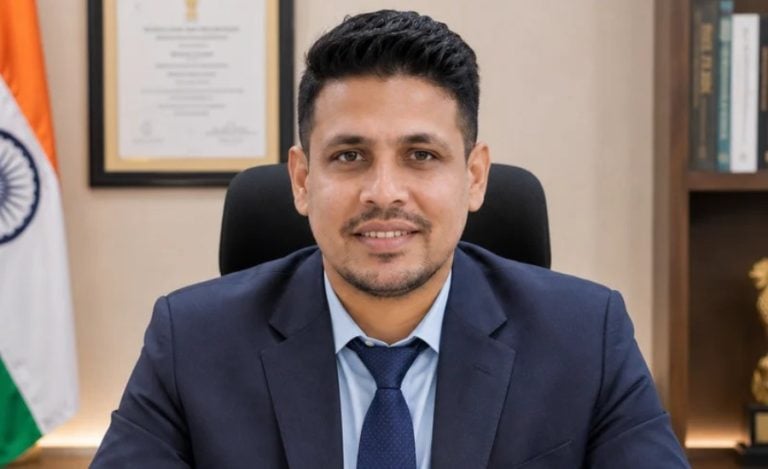
The Kerala government issued orders on June 1, 2026, appointing Seeram Sambasiva Rao as Excise Commissioner.
Rao will continue to hold his existing additional responsibilities along with the new assignment.
The appointment is particularly noteworthy because the Excise Commissioner’s post had remained with IPS officers for almost ten years. The latest move restores the position to the IAS cadre in line with the tribunal’s interpretation of cadre rules.
CAT Ruling Triggered Administrative Realignment
The appointment follows a recent order of the Central Administrative Tribunal on a petition filed by the Kerala IAS Association.
The association had sought a declaration that posts notified by the Union Government as part of the Kerala IAS cadre should be occupied only by serving IAS officers.
After examining the matter, the Tribunal ruled that several important positions, including Excise Commissioner, Director of the Kerala Institute of Local Administration (KILA), and Director General of the Institute of Management in Government (IMG), are cadre posts earmarked exclusively for serving IAS officers.
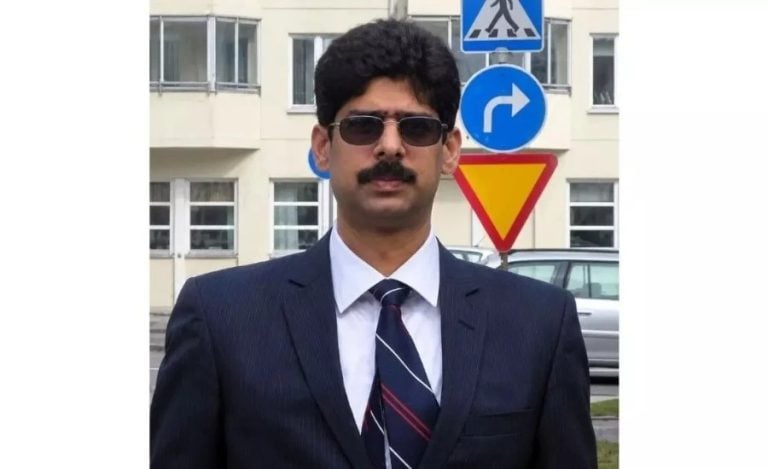
Following the ruling, Additional Director General of Police M R Ajith Kumar (IPS:1995:KL), who had been serving as Excise Commissioner, was removed from the post, paving the way for the appointment of an IAS officer.
Who is Seeram Sambasiva Rao?
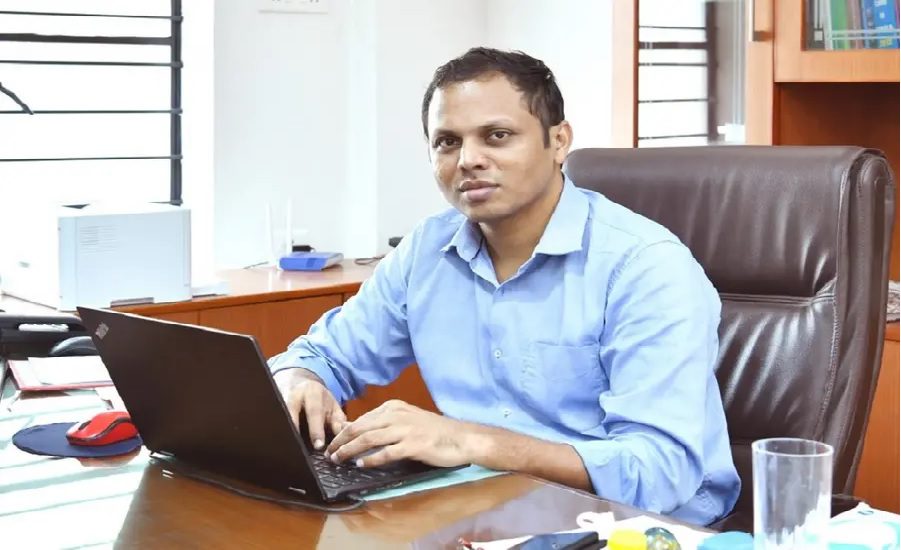
Seeram Sambasiva Rao is a 2012-batch IAS officer of the Kerala cadre. Born on December 10, 1985, he hails from Andhra Pradesh and holds a B.Tech degree in Electrical Engineering from IIT Madras.
Before entering the civil services, he worked as a VLSI engineer, bringing a strong technology background into public administration.
Known for his focus on digital governance, administrative innovation, land reforms, and citizen-centric welfare programmes, Rao has built a reputation as one of Kerala’s prominent mid-career bureaucrats.
Currently, he serves as Special Secretary in the Kerala Government, a position he has held since April 15, 2025.
He is proficient in English, Telugu, and Malayalam.
Career Spanning Governance, Technology and Social Welfare
Over the years, Rao has held a wide range of assignments across different sectors of governance.
Early Administrative Career
One of his early field assignments was as Sub-Collector of Mananthavady in Wayanad district, where he gained recognition for his grassroots-oriented governance style and public engagement initiatives.
District Collector of Kozhikode
As District Collector of Kozhikode, Rao led several innovative governance initiatives, including the widely appreciated ‘Nammude Kozhikode’ programme.
During the COVID-19 pandemic, he played a key role in rehabilitation efforts for homeless persons and migrant workers, overseeing shelter facilities, healthcare access and welfare support systems.
Land Administration Reforms
Rao later served as Director of Survey and Land Records, where he spent nearly three years overseeing major land administration initiatives and digital land management reforms in Kerala.
His tenure was marked by efforts to modernise land records and improve service delivery through technology-driven interventions.
Driving Kerala’s Digital Transformation
A significant part of Rao’s career has been associated with digital governance and technology-enabled public administration.
He served as Special Secretary in the Department of Electronics and Information Technology and simultaneously as Executive Director of the Information Kerala Mission (IKM).
In these roles, he spearheaded several e-governance initiatives aimed at strengthening local self-government institutions, digitising public services, and improving administrative efficiency.
His work in technology-driven governance earned recognition both within and outside the state administration.
Administrative Philosophy and Key Achievements
Rao is known for advocating data-driven governance and the use of technology to improve public service delivery.
Having transitioned from a technology career into public administration, he has consistently promoted digital solutions to address governance challenges.
He has spoken on public platforms, including TEDx events, about leveraging technology to strengthen institutions and improve citizen outcomes.
Among his notable contributions is the implementation of the Exemplary Poverty Eradication Programme (EPEP), which focused on targeted welfare interventions and social inclusion.
His work has also emphasized women’s empowerment, local self-governance reforms, healthcare delivery improvements, and technology-enabled welfare administration.
Significance of the Appointment
Rao’s appointment comes at a time when Kerala’s bureaucracy is witnessing important structural changes following judicial scrutiny of cadre management practices.
Beyond being a routine posting, the move represents the restoration of an IAS cadre post that had been occupied by IPS officers for nearly a decade.
The appointment also places an officer known for governance innovation and digital transformation at the helm of the Excise Department, which plays a crucial role in regulation, enforcement, revenue collection and policy implementation related to liquor administration and excise matters in the state.
With the CAT ruling setting a precedent for cadre-post compliance, Rao’s appointment could signal broader administrative realignments across Kerala’s bureaucratic structure in the coming months.