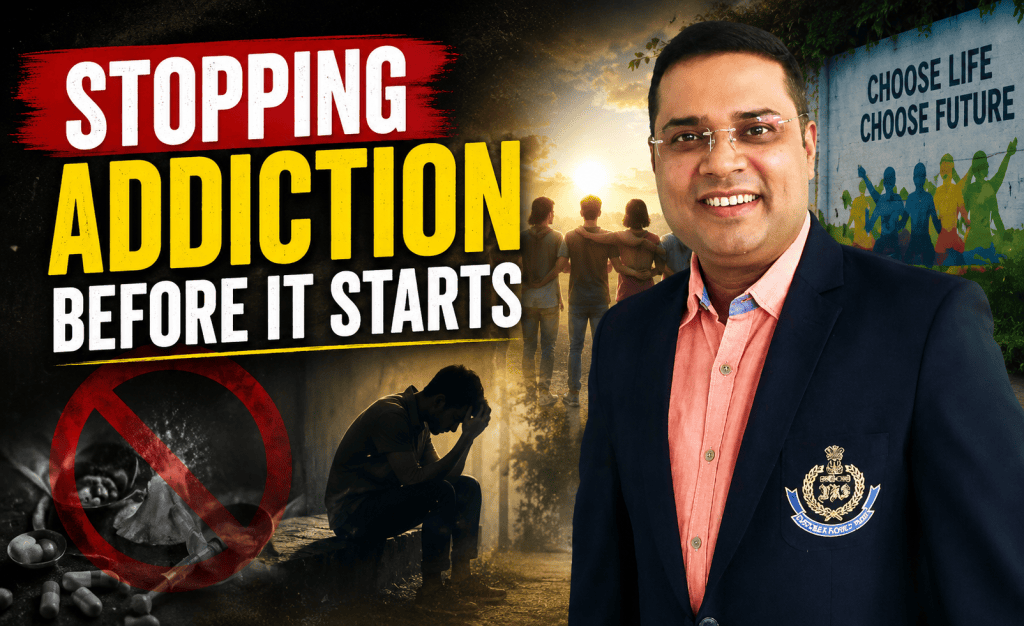
For years, India’s fight against narcotics has been judged by the number of drug consignments seized, traffickers arrested and illegal cultivation destroyed. But what if the strongest weapon against drugs isn’t a raid or an arrest? What if it is a conversation with a student before addiction ever begins?
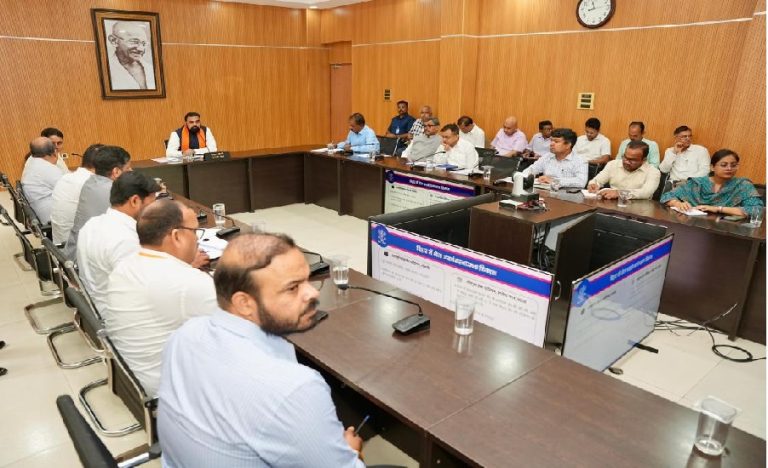
That belief is shaping a new chapter at the Central Bureau of Narcotics (CBN), led by IRS Dr. Dinesh Bisen, currently posted as the Narcotics Commissioner of India. Under his leadership, one of India’s oldest narcotics enforcement agencies is reinforcing a simple but powerful idea: preventing addiction is just as important as dismantling drug networks.
That vision came alive through Operation Yuvaraksha 2026, CBN’s flagship youth outreach campaign organised on International Day Against Drug Abuse and Illicit Trafficking. Built around the theme “Drugs Out, Dreams In,” the initiative transformed the anti-drug conversation from one centred on fear to one centred on hope, awareness and opportunity.
Also read: The Role of DRI in Curbing Drugs Menace in India
A Campaign That Chose Dreams Over Drugs
Unlike conventional awareness programmes, Operation Yuvaraksha was designed to reach young people before they became victims of substance abuse.
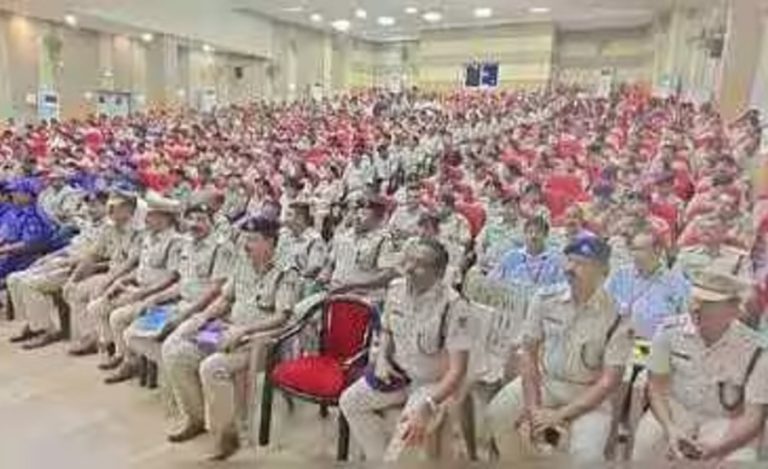
Nearly 1,000 students, teachers, parents, educational institutions, civil society organisations, government officials and anti-drug stakeholders gathered in Kota, Rajasthan, for the campaign. Rather than delivering one-way lectures, the event encouraged participation, dialogue and shared responsibility.
“The fight against drugs cannot begin only after a crime is committed. It has to begin much earlier… inside our classrooms, our homes and our communities. Every informed student is a powerful force against addiction,” Dr. Bisen shared with Indian Masterminds.
The message reflected a broader shift in the role of the Central Bureau of Narcotics, from being solely an enforcement agency to becoming a partner in prevention.
Why India’s Coaching Capital Became the Starting Point
The choice of Kota was no coincidence.
Every year, lakhs of students move to the city to prepare for engineering and medical entrance examinations. Living away from home, coping with intense academic pressure, loneliness and peer influence can sometimes leave young people vulnerable to substance abuse.
Recognising these realities, the Central Bureau of Narcotics chose India’s largest coaching hub as the launchpad for a campaign aimed at stopping addiction before it starts.
Instead of waiting for students to encounter drugs, Operation Yuvaraksha brought awareness directly to them.
Beyond Seizures Building Awareness
As India’s Narcotics Commissioner, Dr. Dinesh Bisen heads the Central Bureau of Narcotics, headquartered in Gwalior under the Department of Revenue, Ministry of Finance.
The CBN carries out a wide range of responsibilities that extend far beyond investigations. It regulates and supervises India’s legal opium cultivation, enforces the Narcotic Drugs and Psychotropic Substances (NDPS) Act, prevents illicit cultivation and trafficking, coordinates internationally on narcotics control and monitors the import and export of narcotic drugs and psychotropic substances.
Operation Yuvaraksha added another important dimension to this mandate: creating awareness before enforcement becomes necessary.
Conversations That Could Change Lives
The programme replaced conventional speeches with meaningful engagement.
Students interacted directly with narcotics officers to understand the different types of drugs, recognise warning signs of addiction, deal with peer pressure, understand legal consequences and learn about the psychological impact of substance abuse.
The campaign also featured Yuva Manthan, where students debated the causes of addiction, the role of society in prevention and practical ways to build drug-free educational campuses.
Participants collectively took a Drug-Free Youth Pledge, promising not only to stay away from narcotics themselves but also to encourage friends, classmates and communities to make the same choice.
Community outreach formed another key pillar of the initiative. CBN teams conducted public awareness drives and door-to-door interactions in parts of Kota, engaging families and local communities to strengthen awareness beyond educational institutions.
“When young people understand the consequences of drug abuse and choose to speak up, they become ambassadors of change. Awareness spreads faster when it comes from friends, families and communities,” Dr. Bisen said.
A Mission That Goes Beyond Enforcement
Operation Yuvaraksha aligns closely with the Government of India’s Nasha Mukt Bharat Abhiyan, which combines enforcement with prevention, awareness, rehabilitation and community participation.
Its slogan, “Drugs Out, Dreams In”, captures the campaign’s central belief that every student’s ambition deserves protection.
Instead of defining the anti-drug movement only through seizures and arrests, the initiative focuses on safeguarding aspirations before they are interrupted by addiction.
For the Central Bureau of Narcotics, this represents an important evolution, one where classrooms become as important as checkpoints in protecting the country’s future.
Protecting the Next Generation
Drug abuse does not affect only one individual. It disrupts families, derails careers and weakens communities.
Operation Yuvaraksha acknowledges that reality by bringing together students, parents, teachers, enforcement agencies and civil society under one shared purpose.
“Every dream lost to drugs is a loss for the family, the community and the nation. If we can help even one young person choose education, health and opportunity over addiction, we strengthen India’s future.”
No awareness campaign can eliminate the narcotics challenge overnight. But by reaching young people at a stage when information can still shape decisions, Operation Yuvaraksha has shown that prevention deserves a place alongside enforcement.
As India’s oldest narcotics enforcement agency continues its mission against organised drug trafficking, IRS Dr. Dinesh Bisen is also ensuring that another battle is fought, one inside classrooms, where informed choices today can prevent tragedies tomorrow.
Because the safest future is not created only by stopping drugs at the border. It is created by ensuring they never find a place in a young person’s life.
Also read: From Hidden Forest Dumps to Powerful Drug Networks, IPS Rakesh Sahoo’s Fight Against Odisha’s Illegal Cannabis Trade