In the mist-covered hills of the Nilgiris, where roads twist through forests and tribal hamlets sit quietly along steep slopes, development is rarely simple. A bridge here, a retaining wall there, an irrigation channel for a small farming cluster – these are not just public works. They are lifelines.
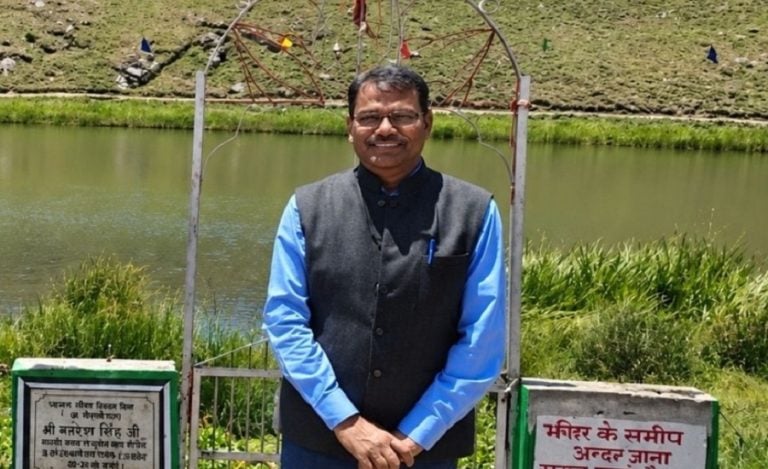
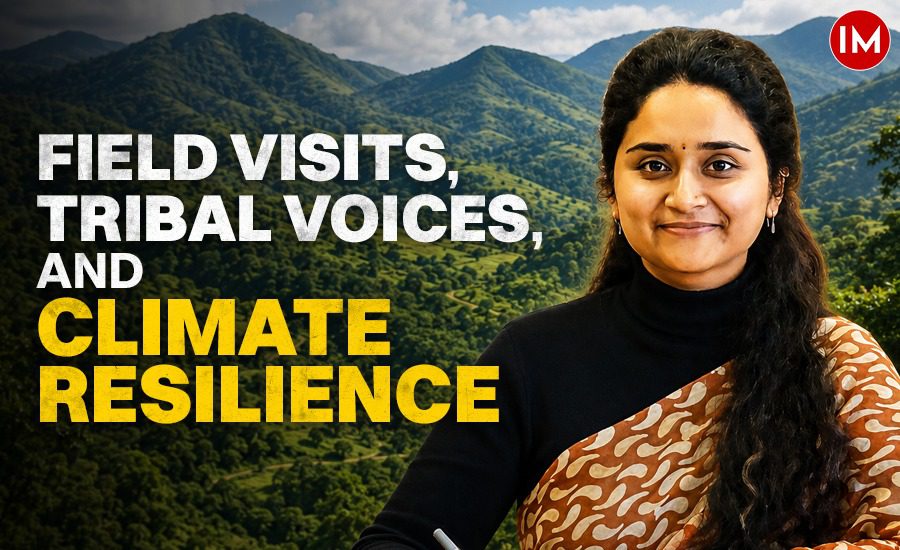
For Ms. Abhilasha Kour, a 2021-batch IAS officer of the Tamil Nadu cadre and presently serving as Additional Collector (Development) in the Nilgiris, governance begins with understanding these realities on the ground. As Head of the Special Area Development Plan (SADP), she works in some of Tamil Nadu’s most ecologically fragile and geographically difficult regions. Her task is not merely to implement schemes, but to bridge the gaps left behind by conventional planning.
Speaking to Indian Masterminds, Ms. Kour shared how development in the Western and Eastern Ghats demands patience, field presence, and a deep respect for both nature and local communities.
DEVELOPMENT WITHOUT DAMAGING NATURE
Infrastructure development in hilly regions often comes with a difficult question: how can roads, tourism, and public facilities expand without harming forests, water bodies, and fragile ecosystems?
For Ms. Kour, the answer lies in balance.
Under SADP, projects are selected carefully to ensure ecological sustainability while improving local livelihoods. One such initiative was the conservation of Ooty Lake in the Nilgiris district. Another was the eco-tourism infrastructure developed at Agasthiyar Falls in Tirunelveli district.
Also Read – Rajeev Kumar Sharma: The Officer Tasked With Reimagining Rajasthan Police
These projects were designed not only to attract visitors but also to protect local ecology and create benefits for surrounding communities.
“In ecologically sensitive regions like the Nilgiris, the focus has been on balancing infrastructure needs with environmental sustainability,” she said.
The approach reflects a larger administrative philosophy. Development cannot be imposed uniformly in mountain regions. Every intervention must consider terrain, biodiversity, water flow, and the long-term impact on local life.
TAKING WELFARE TO THE LAST MILE
In remote tribal areas, the biggest challenge is often not policy design, but access. Schemes exist on paper, but geography and isolation prevent their full implementation.
Ms. Kour believes continuous field visits are the only way to understand these gaps.
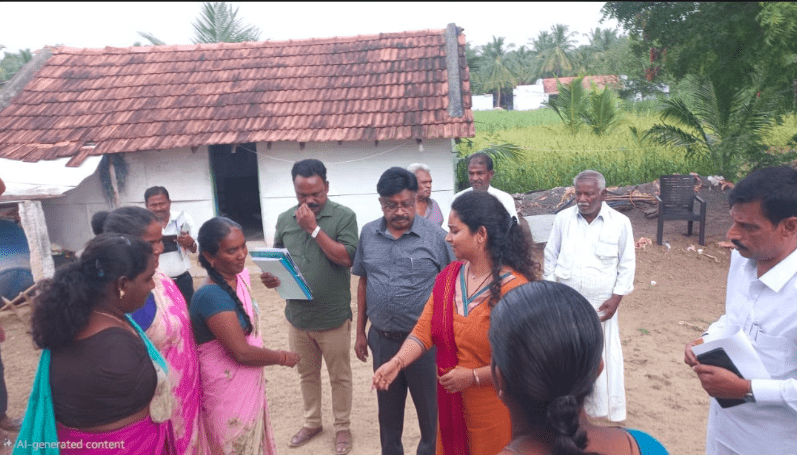
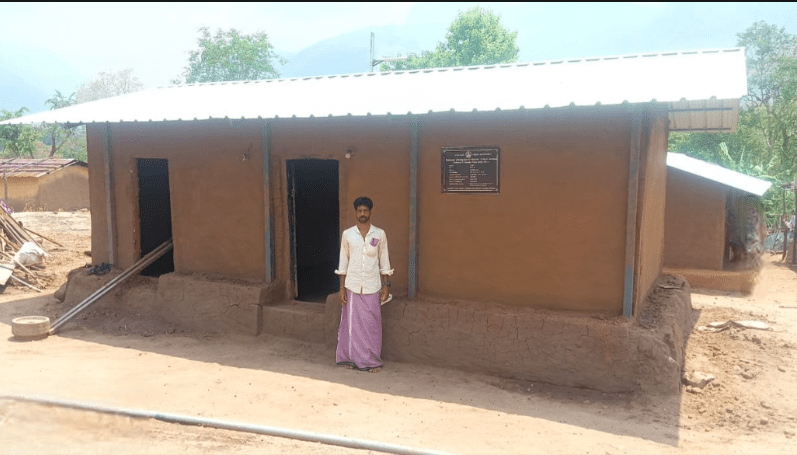
During visits to tribal habitations in Gudalur Block of the Nilgiris, officials noticed a critical issue. Houses under Rural Development schemes were being constructed, but many stood dangerously close to unstable slopes. Families needed retaining walls to ensure safety, yet no provision existed under the original scheme.
SADP stepped in to fill the gap.
Instead of treating the housing project as “completed,” the administration addressed the missing support systems needed for safe living.
“During field visits, it becomes clear that even small interventions such as retaining walls, irrigation facilities, or bridge connectivity can significantly improve people’s lives,” Ms. Kour told Indian Masterminds.
This model of gap funding has become central to SADP’s functioning. The programme identifies practical obstacles that departments cannot immediately address due to financial or procedural limitations and resolves them quickly.
CLIMATE RESILIENCE IN THE HILLS
Climate change is affecting hill districts in visible ways. Farmers face uncertain rainfall, water shortages, and declining agricultural stability. In tribal and remote regions, these problems directly threaten livelihoods.
To address this, SADP has focused on water security and sustainable rural incomes.
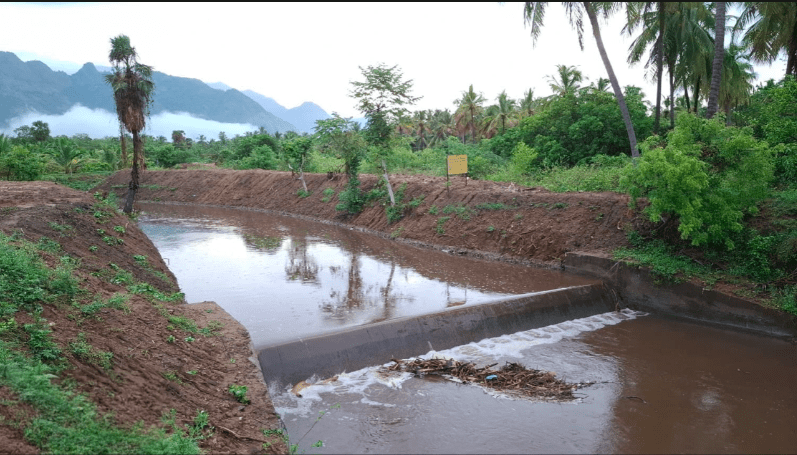
In Cherangodu village of Gudalur Block, farmers raised irrigation-related concerns during field interactions. Following these visits, irrigation support works were taken up to improve water access for cultivation.
In other regions, livelihood diversification became equally important. Dairy and silage-related projects in Sathyamangalam and livelihood interventions in the Kalrayan Hills of Kallakurichi district helped strengthen income sources for small and marginal farmers.
The emphasis is on resilience rather than temporary relief. By improving irrigation, storage, and dairy infrastructure, communities become better prepared for environmental uncertainty.
WOMEN LEADING RURAL CHANGE
Across many hilly and tribal regions, women Self-Help Groups (SHGs) are emerging as important economic actors.
According to Ms. Kour, SHGs can move far beyond microfinance when they are connected with livelihoods, market access, and local enterprises.
In several tribal regions, women associated with dairy activities and livelihood groups have contributed to household income and local economic activity. These interventions are small in scale but carry long-term impact, especially in isolated habitations where employment opportunities are limited.
The administration has focused on creating opportunities that are practical and locally relevant rather than imposing standard models from outside.
MAKING DEPARTMENTS WORK TOGETHER
One of the biggest governance challenges in remote regions is coordination between departments. Rural development, tribal welfare, irrigation, tourism, and infrastructure projects often function separately, slowing implementation.
Ms. Kour says regular reviews and joint field inspections have helped improve convergence on the ground.
Instead of treating schemes individually, departments work together to solve interconnected problems. A housing project, for example, may require road access, retaining walls, drainage systems, and electricity support simultaneously.
This integrated planning has helped reduce delays and improve execution quality.
Projects supported under SADP include cold storage infrastructure at Thalavadi and Bargur in Erode district, bridge connectivity works at Vikramasingapuram in Tirunelveli district, and eco-tourism infrastructure in forest regions.
Each intervention addresses a practical gap affecting daily life and local development.
COMMUNITY PARTICIPATION AS THE FOUNDATION
For Ms. Kour, sustainable development is impossible without community participation.
Many solutions under SADP emerged directly from conversations with residents during field visits. In tribal habitations of the Nilgiris, local people raised concerns about slope safety near group housing settlements. Their feedback shaped the decision to construct retaining walls.
This process increased both safety and community ownership.
“Community participation improves when planning is based on actual local needs,” she explained.
The model recognises an important reality: local residents understand the terrain, risks, and challenges better than anyone else. Listening to them makes governance more effective.
THE VALUE OF TRADITIONAL KNOWLEDGE
Modern development planning often overlooks tribal knowledge systems. But in ecologically sensitive regions, local communities possess generations of experience in sustainable agriculture, biodiversity conservation, and natural resource management.
Ms. Kour believes this knowledge must be integrated into future planning models.
Traditional practices related to water conservation, farming, and forest management can complement modern interventions and improve long-term sustainability.
As climate pressures grow, such locally rooted knowledge may become even more valuable.
A MODEL ROOTED IN FIELD PRESENCE
Looking ahead, Ms. Kour sees climate vulnerability, ecological pressure, and infrastructure gaps as the biggest developmental challenges facing the Ghats region.
Her solution is not large-scale expansion alone, but region-specific planning that respects environmental limits while improving quality of life.
What stands out in her approach is the importance of field presence. Policies become meaningful only when administrators see realities firsthand.
In many tribal and hilly habitations, development is not measured by massive projects. Sometimes, it is a retaining wall that protects a family home, an irrigation channel that saves a farming season, or a bridge that reconnects an isolated village.
These are modest interventions. But for the people living there, they change everyday life.
Also Read – Devangi Meena: The UPSC Candidate Who Stopped Studying to Start Understanding Herself