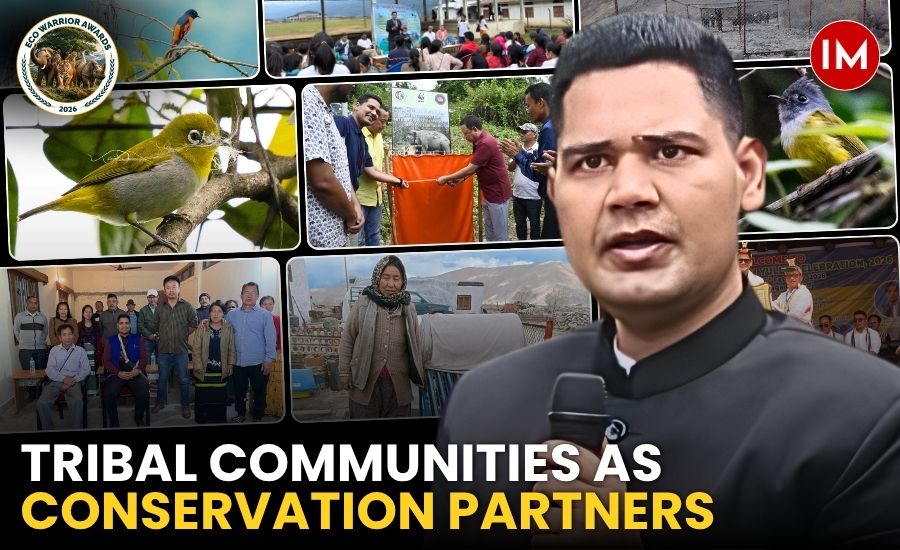
For IFS officer Dhawan Kumar Rawat, conservation is not simply about protecting forests by enforcing laws. His career has taught him that lasting conservation depends on understanding the communities that have lived with forests for generations and making them active partners in protecting wildlife.
A 2017-batch AGMUT cadre officer, Rawat is currently serving as DFO and Field Director of Pakke Tiger Reserve in Arunachal Pradesh. His approach to conservation has been shaped by experiences across very different landscapes—from working with the Adi community in Mouling National Park to implementing livelihood-linked conservation initiatives in Ladakh and now working with the Nyishi community around Pakke.
His journey into community-based conservation began with his first posting as a Range Officer in Mouling National Park.
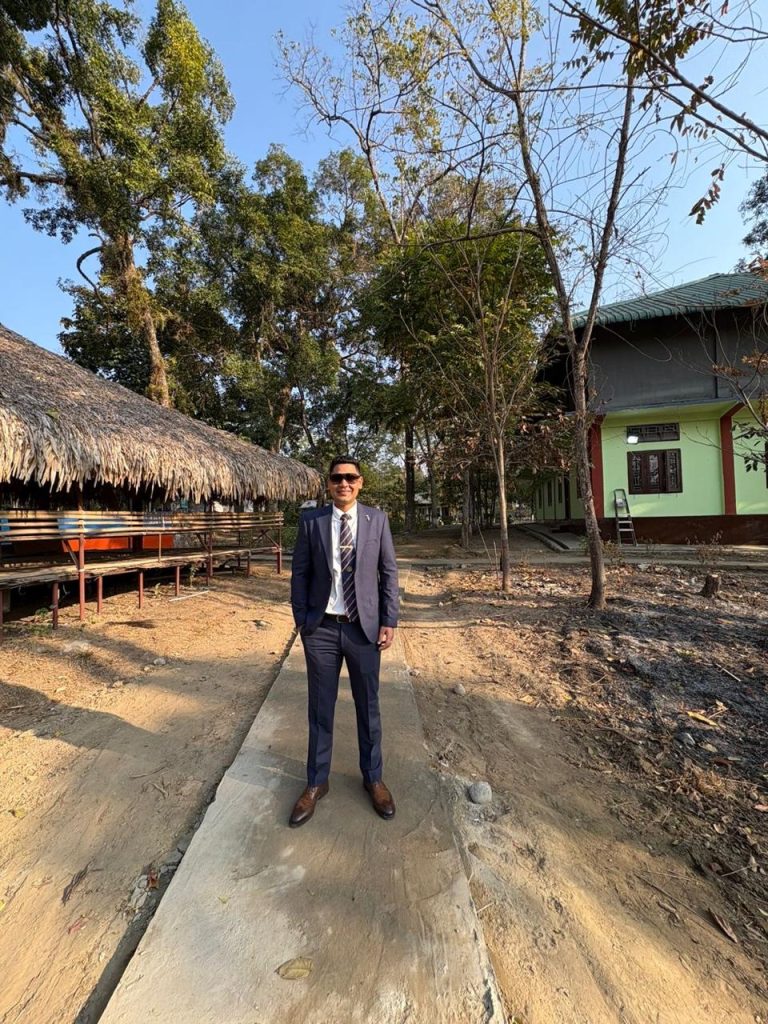
Learning Conservation From the Adi Community
Mr Rawat’s early experience in Arunachal Pradesh changed the way he viewed the relationship between forests and local communities.
“My first posting in Mouling made me realise that in the Northeast, communities are not just stakeholders in conservation—they are custodians of the forests. Their customary rights have to be recognised, and conservation has to be built with them, not imposed on them,” Mr Dhawan Kumar Rawat told Indian Masterminds.
That understanding became particularly important when he encountered the issue of the traditional Aran hunting festival.
Although the festival had historically involved hunting using traditional methods, Mr Rawat found that the practice had changed with the introduction of modern weapons, including air guns. The scale of hunting had increased, affecting bird and wildlife populations in the area.
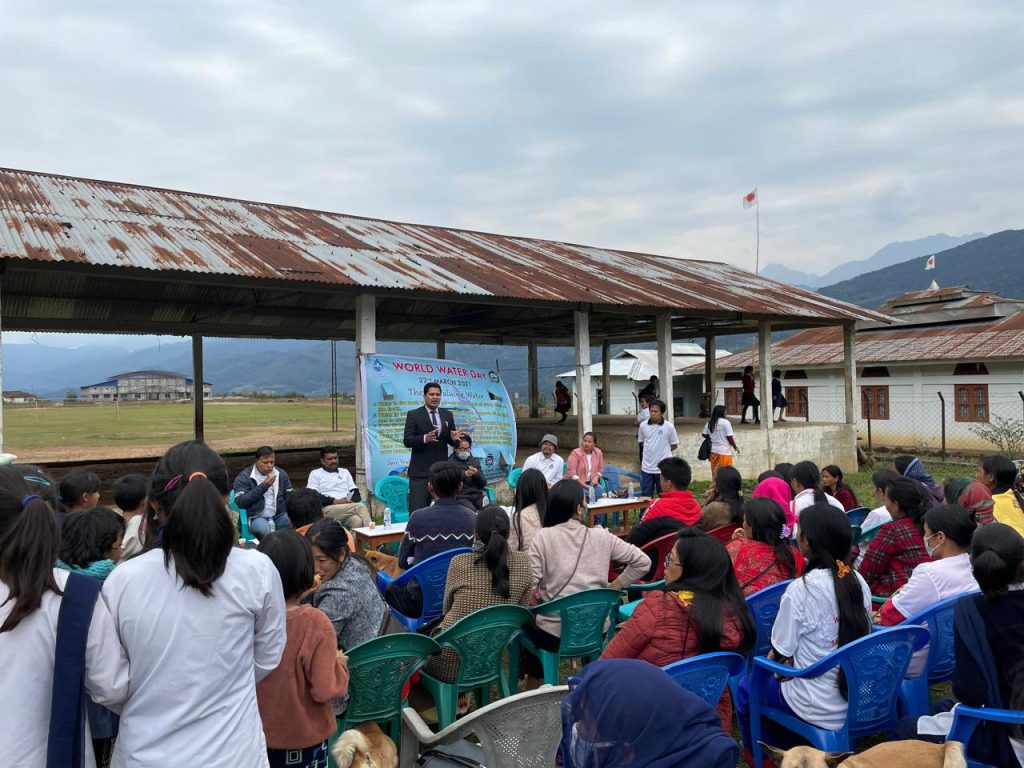
Rather than approaching the issue only through enforcement, he began speaking to local residents and community leaders. The village elders were among those who supported the effort, while some young people initially resisted, arguing that hunting was part of their tribal identity.
Mr Rawat acknowledged the cultural significance of the practice but drew a distinction between traditional hunting and the use of modern weapons.
“The tradition had existed for generations, but the methods had changed. I told the community that if the practice was rooted in tradition, modern weapons could not be allowed to turn it into large-scale hunting. That conversation helped us find common ground,” he recalls.
The intervention continued for around two years. Mr Rawat observed an increase in bird and wildlife populations and documented the changes through records and photographs. More importantly, the conservation effort continued beyond the immediate intervention.
Turning Conservation Into Livelihoods in Ladakh
His next major experience came in Ladakh, where the conservation challenge was different.
As Wildlife Warden, Leh, IFS Dhawan Rawat, worked in a district where a large portion of the landscape falls within protected areas, including Hemis National Park, Changthang Wildlife Sanctuary and Karakoram Wildlife Sanctuary.
Tourism was an important source of income, but communities in remote areas did not always benefit from the opportunities available in Leh town. The UT administration’s homestay scheme provided an opportunity to connect tourism with local livelihoods.
The Wildlife Department was assigned 250 households under the scheme, and Mr Rawat says all 250 households were provided with homestays.
For him, the initiative showed how livelihood generation could become part of conservation rather than being treated as a separate objective.
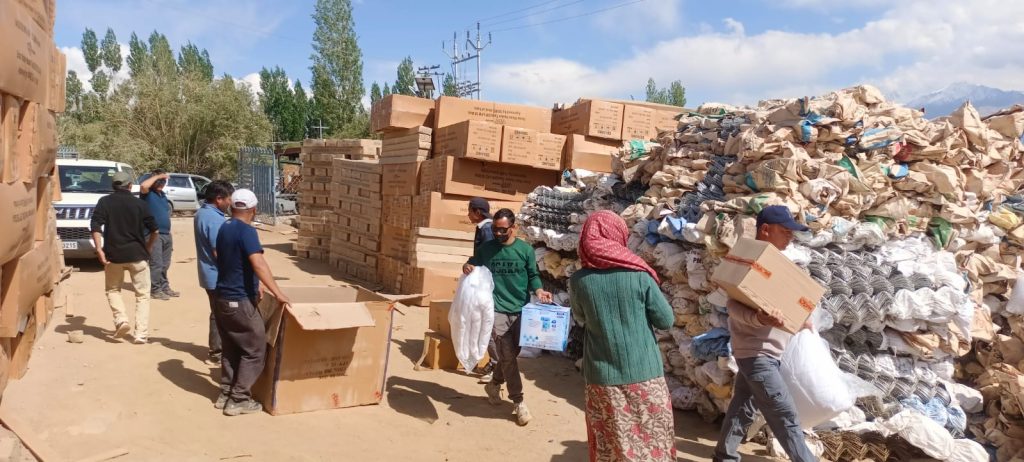
“Conservation becomes much stronger when people see a direct connection between protecting their landscape and improving their livelihoods. In Ladakh, the homestay programme gave remote households an opportunity to participate in tourism and benefit from it,” he says.
The region also faced livestock losses caused by snow leopard attacks. Although hunting is generally uncommon among local communities, predators entering livestock enclosures could kill several animals during a single incident.
A compensation scheme was implemented to support affected families. Rawat also facilitated the construction of corrals—chain-link enclosures designed to protect livestock.
The experience reinforced his belief that wildlife conservation must also address the economic costs borne by local residents.
Bringing the Same Approach to Pakke
Mr Rawat took charge as DFO and Field Director of Pakke Tiger Reserve last year. Back in Arunachal Pradesh, he found himself working with another major tribal community—the Nyishi, the largest tribe in the state.
His strategy at Pakke has been built around community participation, conservation awareness and livelihood opportunities.
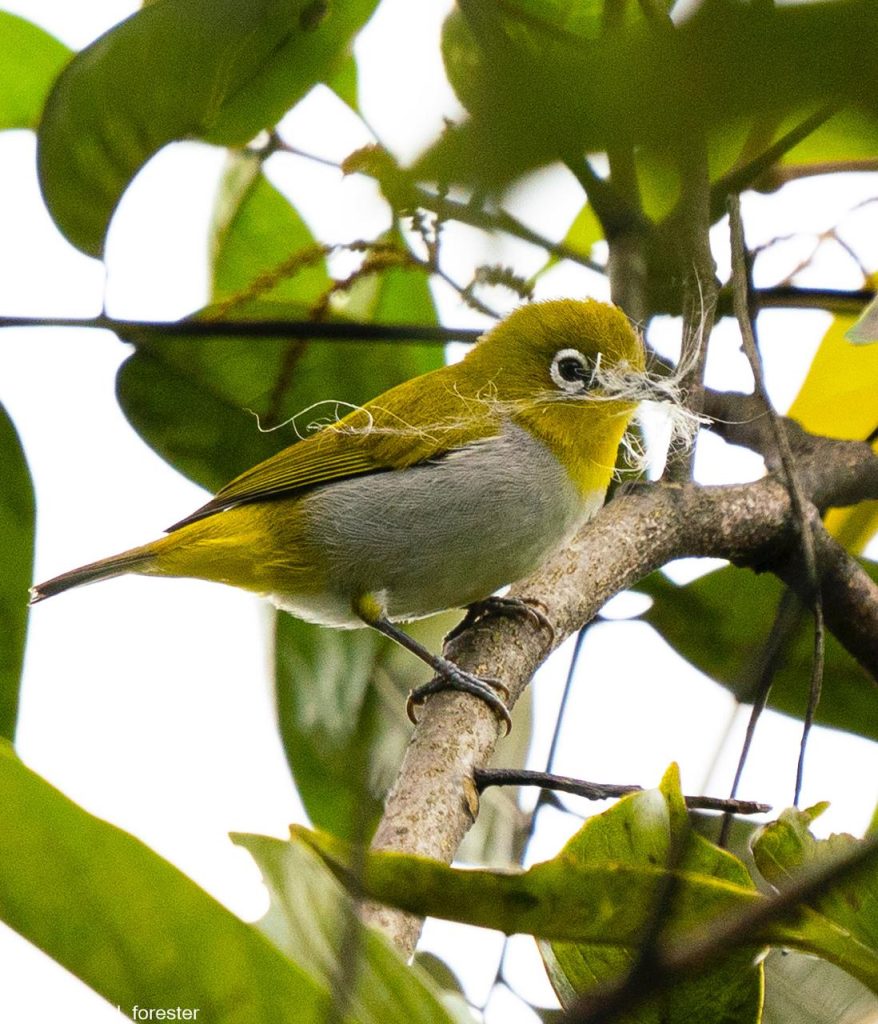
Pakke Tiger Reserve is particularly known for its hornbills, with three species commonly sighted in the reserve. The birds have also become a source of local pride, creating an opportunity to connect wildlife conservation with tourism and community livelihoods.
The Pakke Hornbill Festival, held annually from January 18 to 20, is one such initiative. Local communities participate through stalls and tourism-related activities, including the Jeep Safari Association, allowing people involved in tourism to earn during the festival.
“Pakke’s hornbills are not only a conservation asset; they are also something the local community takes pride in. The festival gives us an opportunity to celebrate that connection while creating income opportunities for people living around the reserve,” Mr Rawat explains.
Livelihood development has also extended to women through the Samarth scheme of the Ministry of Textiles/Handloom Department.
Two batches of 30 women each have already received training. A third batch is being planned, while women who have completed the initial 30-day training are being considered for an additional three-month programme.
The department is also working to connect these products with markets. A foundation working in Assam has been approached to operate a souvenir shop and provide market access for locally produced items. A newly constructed canteen has also been leased to the women’s community, giving them another avenue for income.
Tackling Hunting and Human-Elephant Conflict
Despite the progress, hunting remains one of the key conservation concerns at Pakke.
Rawat says the department regularly engages local leaders, residents and school students during events such as Elephant Day and Wildlife Week. These interactions are intended to strengthen awareness and discourage hunting.
Over the past year, there has been no reported hunting inside the reserve, although intelligence inputs about possible attempts continue to require regular monitoring.
“Changing a hunting practice cannot happen through enforcement alone. We have to remain connected with the community, listen to them and keep creating awareness. When people begin to see wildlife as something worth protecting, conservation becomes a shared responsibility,” he says.
Human-elephant conflict is another major concern. Pakke has around 116 resident elephants, while the wider Kameng Elephant Reserve landscape supports more than 200 elephants. The animals move through established corridors and sometimes enter agricultural fields and nearby settlements.
The department, with support from WWF, is implementing single-wire fencing around vulnerable villages. Under the initiative, communities contribute 30% of the cost while WWF provides the remaining 70%.
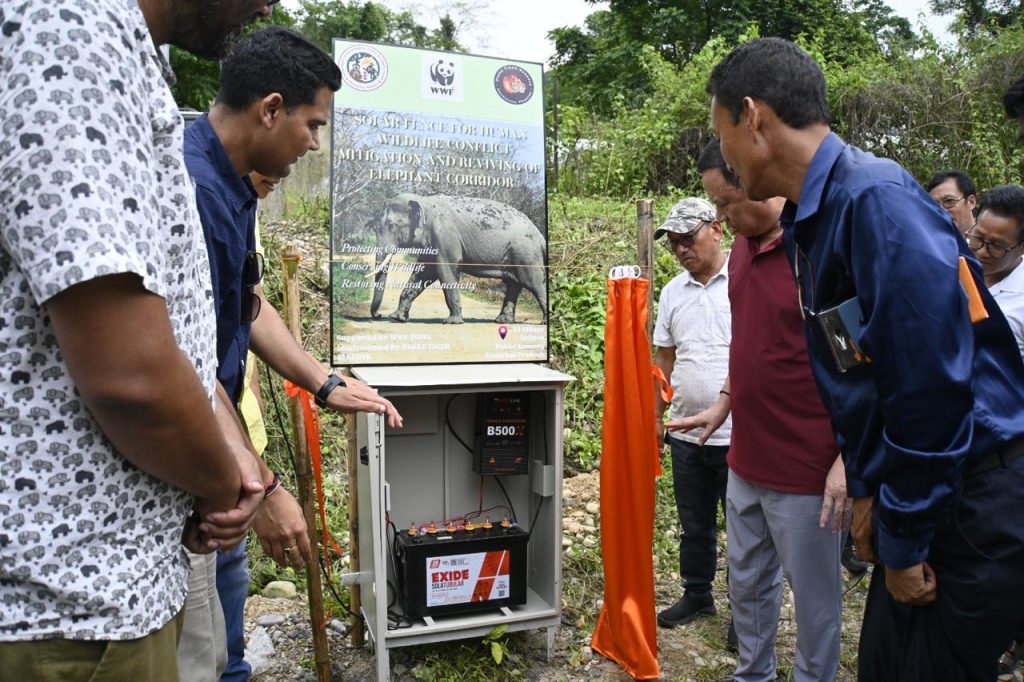
One village has already been covered, while work is underway in another. Three villages have been identified as major conflict hotspots.
For Rawat, these interventions reflect a larger lesson from his years of working with tribal communities: conservation works best when local people have a reason to participate in it.
His journey—from Mouling’s forests and the challenge of traditional hunting to Ladakh’s homestays and snow leopard compensation, and now Pakke’s hornbills, elephants and community livelihoods—has reinforced one principle.
“The biggest lesson I have learnt throughout my career is that conservation cannot be separated from people. If communities are involved, respected and given opportunities to benefit from conservation, they can become its strongest partners,” IFS Dhawan Kumar Rawat shared with Indian Masterminds.