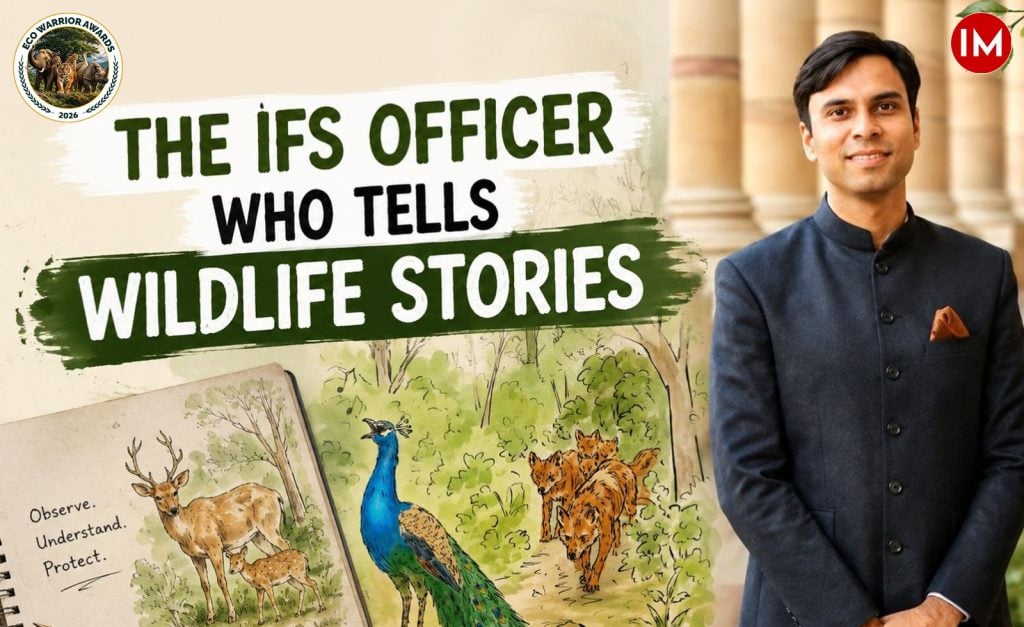
For many people, wildlife conservation begins and ends in forests… with patrols, protected areas, rescued animals and battles against poaching. For IFS officer Sarthak Parashar, it also begins with a blank page.
A 2023-batch Himachal Pradesh cadre officer currently posted as DM FWD Nahan, Parashar has found an unusual way to extend his work beyond the forest landscape: he tells stories.
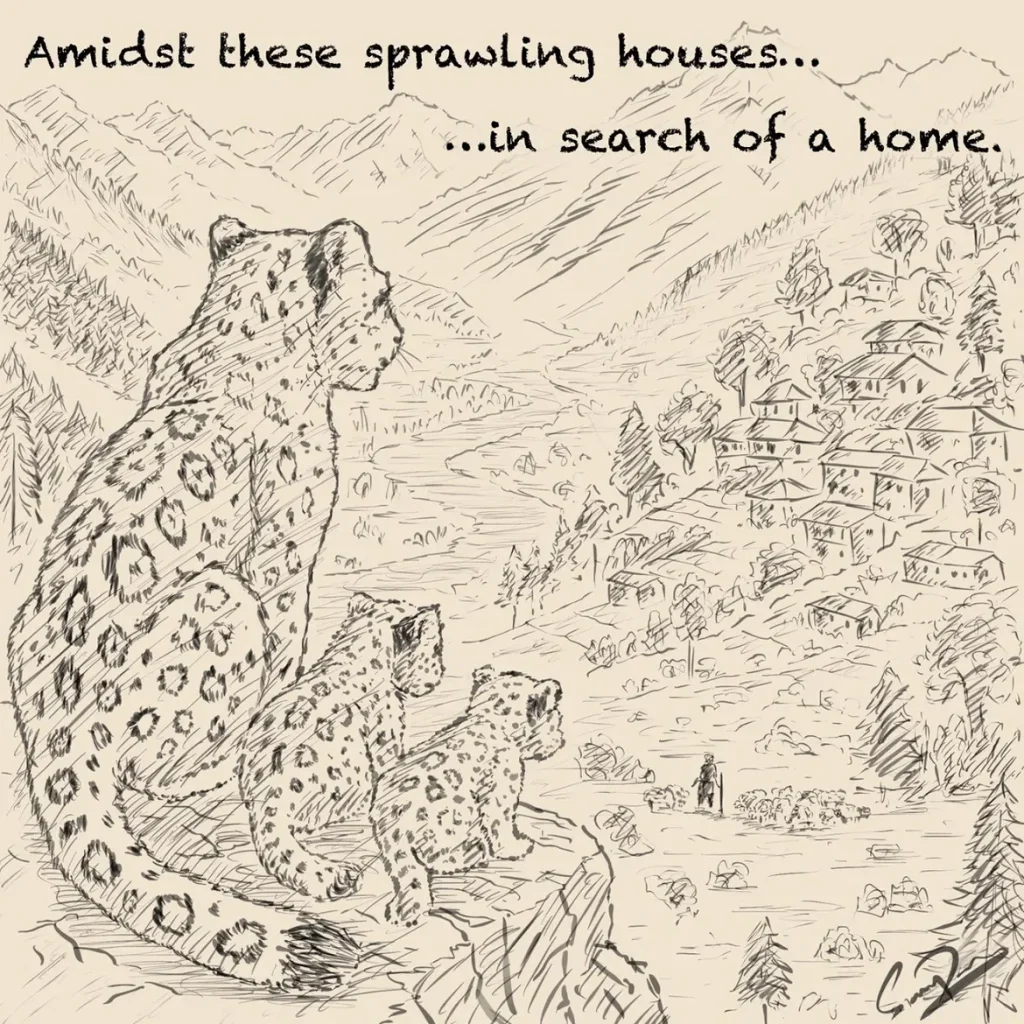
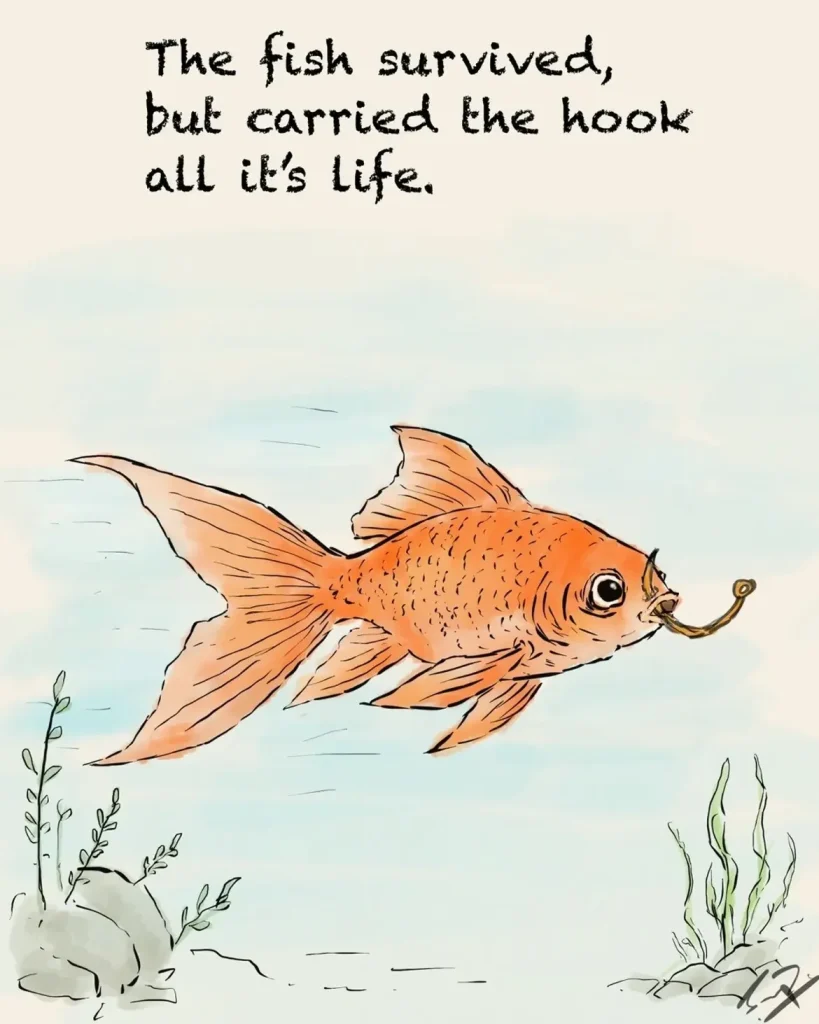
Through a sketch-based Instagram channel followed by more than 50,000 people and watched over 20 million times, he turns wildlife, nature and human-animal relationships into illustrated stories that are simple enough to understand, but layered enough to stay with the reader.
His work has grown from a personal love for writing and wildlife into a larger attempt to answer a question that conservationists often grapple with: How do you make people care about something they may never see?
For Parashar, the answer is storytelling.
Also read: IFS Dr Patil Nitin Kundalik: How Scientific Khair Forestry and E-Auctions Delivered 105 Crore in Himachal Pradesh
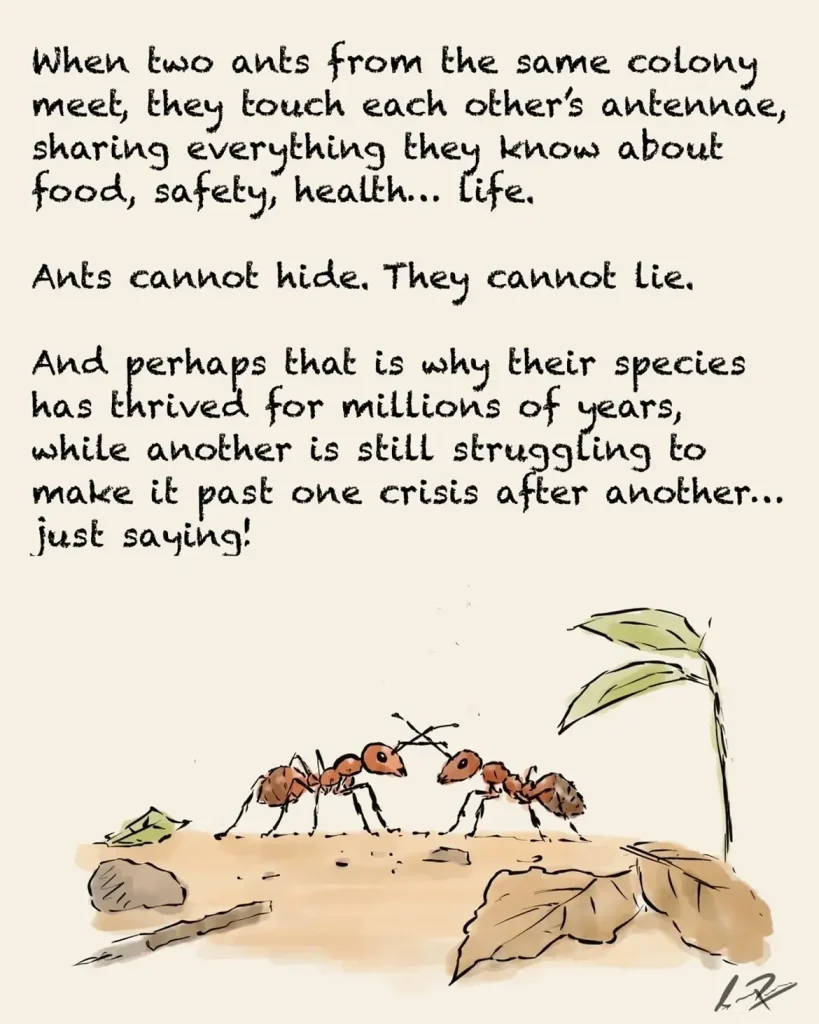
The Writer Who Found His Way to Wildlife
Long before he became a forest officer, Parashar was a writer. During his college years, he wrote fiction, experimented with short films and theatre, and spent considerable time thinking about stories. His love for wildlife, meanwhile, remained a constant thread.
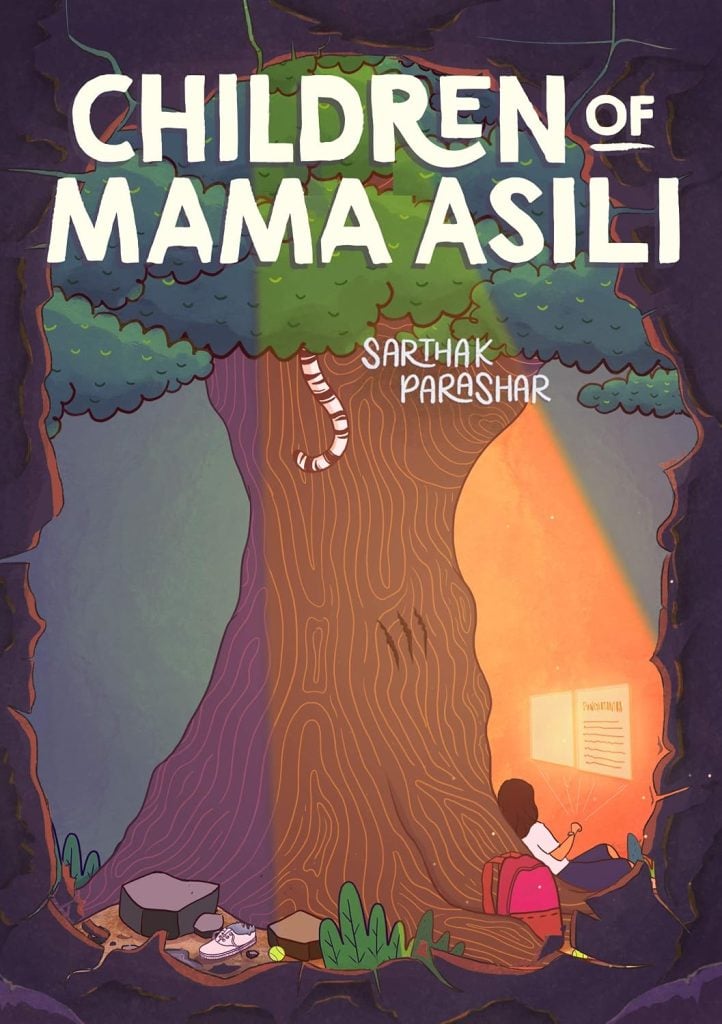
In 2018, he wrote a wildlife-conservation-themed novel, Children of Mama Asili. The book was eventually shortlisted by the Jaipur Literature Festival’s First Book Club and launched at the Jaipur Literature Festival.
But the journey to publication taught him something equally important: where readers were having conversations.
As he began connecting with readers and discussing his book, he noticed that social media had become the natural meeting place for people consuming and sharing stories.
“As a writer who wants to tell stories, I realised that one of the best mediums I could use to tell my stories was social media. People were already there, spending their time and consuming stories, so it became a natural way for me to reach them,” the officer shared in an exclusive conversation with Indian Masterminds.
That realisation eventually gave birth to his sketch-based Instagram channel.
From Simple Sketches to a Million Views
The beginning was far less polished than what exists today.
Parashar initially posted short stories as photographs with small captions. Then he began experimenting with sketches on an iPad using a stylus. Some stories were presented through five or six illustrated panels, combining artwork with a longer narrative.
The format did reasonably well, but it was not until he changed the way he told those stories that something clicked. He reduced the text, gave the sketches greater importance and brought in narration and background music. The result felt almost like the illustrated storybooks many of us grew up reading.
The first story to break through was “Price of Chandan”, which went on to receive around one million views. The story centred on a traditional practice in parts of Bihar, Uttar Pradesh and Karnataka, where a sandalwood plant is planted when a daughter is born and, once it grows into a tree, the wood is sold to help finance her marriage.
But beneath that story about a tree was another story: about daughters, family and the way society measures value.
Parashar used the emotional connection to question the idea of daughters being seen as a burden, drawing a parallel between the value of a growing tree and the immeasurable value of a child.
From there came more stories, including one around the Bengal florican and other bustards, using the threats faced by these birds as an allegory for wider social issues.
Why Stories Work Where Facts Sometimes Don’t
Parashar does not believe conservation communication always needs to begin with statistics, scientific terminology or long explanations.
Sometimes, he says, the easiest way into a conservation story is through something people already understand… a childhood memory, a cultural tradition or an emotion they have experienced themselves.
“The stories that connect most easily are the ones people can trace back to their own lives, their daily experiences or their childhood memories. If you simply explain how a conservation programme works, it may be informative, but people may not feel connected to it. A story gives them something familiar to hold on to,” he stated.
The Last Tiger Cub on a Balcony
That same instinct runs through Children of Mama Asili. The novel began as an idea during Parashar’s college years. Its central character is a 10-year-old girl who discovers the last tiger cub on Earth on her balcony.
Set in a plausible future where environmental pressures have left increasingly little space for wild animals, the story asks what happens when extinction is no longer an abstract possibility, but something that suddenly appears at your doorstep.
Parashar spent around two years writing the book. Then came the harder part: finding someone willing to publish it. He approached publishers, editors and literary agencies, often finding that the biggest obstacle was simply getting his work read as an outsider.
Eventually, an online contest asking writers to submit a short synopsis gave him an opening. His synopsis was selected, his manuscript was considered, and the book found its way to readers.
For Parashar, being shortlisted by the Jaipur Literature Festival’s First Book Club and having the novel launched at the festival was deeply personal.
He had even left his job while pursuing the book.
“I had believed in this idea since my college days, and after struggling for so long just to get the book seen, its acceptance felt like a form of validation. It told me that there was something there, something worth holding on to, something that people might actually want to read.”
Wildlife Is Neither Hero Nor Villain
Perhaps the most striking part of Parashar’s approach is what he wants people to stop doing. He believes wildlife is too often reduced to a simplistic cast of heroes and villains: the brave tiger, the dangerous leopard, the villainous snake, the heroic mongoose.
Social media, he feels, can make this even more extreme, particularly with the rise of AI-generated wildlife videos that portray animals in dramatic, often fabricated human-like situations.
His own stories attempt to resist that temptation.
“Wild animals do not need to be heroes or villains for us to value them. They are living their lives, experiencing the world, receiving information and making decisions in their own way. Their existence has a value of its own, and perhaps conservation begins when we learn to appreciate that beauty without forcing our own ideas of good and evil onto them,” he shared with Indian Masterminds.
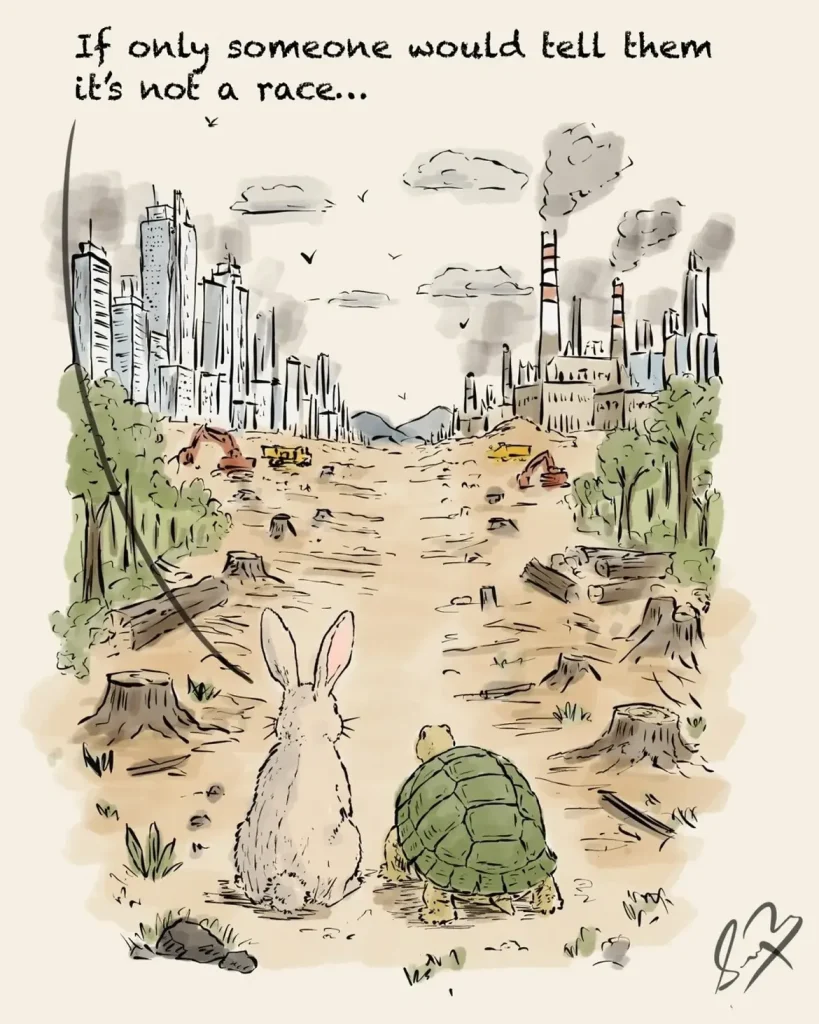
That may be the most important thread running through Parashar’s work; whether he is writing a novel, drawing a sketch or working in the field.
Conservation is not only about protecting an animal from a threat. It is also about changing the way people see that animal in the first place.
And sometimes, the distance between indifference and empathy is no more than a story, a sketch, and a few minutes spent looking at the world differently.
Explore his Instagram page- https://www.instagram.com/sarthak_ifs/
Click on the link to buy his book- https://amzn.in/d/03VGMcP7
Also read: How IFS Sandeep Sharma Is Restoring the Beas River and Building a Climate-Smart Model for Kullu