Bengaluru: The city of Bengaluru is witnessing an unusual surge in temperatures over the past few days, leaving residents grappling with an intense and uncomfortable heat spell. Amid these challenging weather conditions, an Indian Forest Service (IFS) officer has sparked a wider conversation on the city’s shrinking green cover and the long-term consequences of rapid urbanisation.
IFS Officer Raises Alarm on Social Media
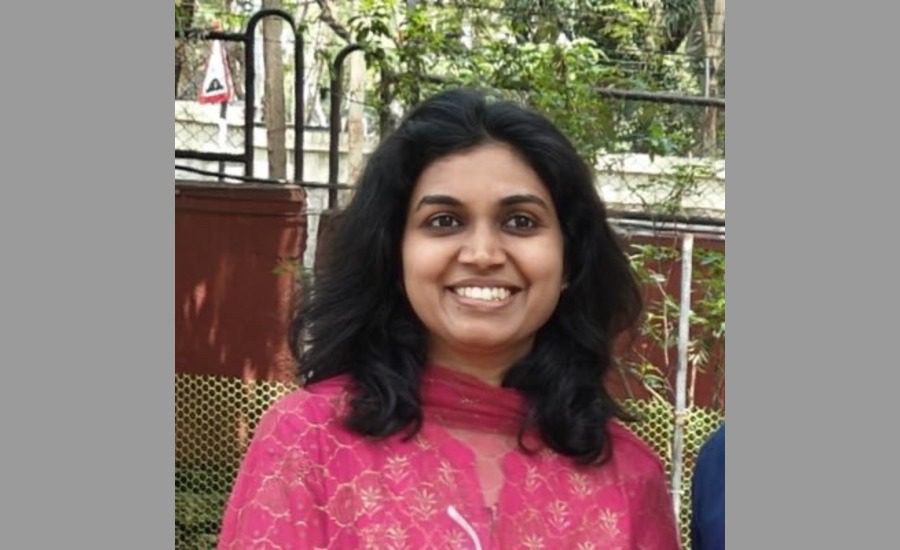
Highlighting the growing environmental concerns, 2010-batch IFS officer of Karnataka cadre, Dipika (Goyal) Bajpai, took to the social media platform X to express her apprehensions over deforestation in the city.
In her post, Ms Bajpai wrote, “Bangalore has seen heat like never before. Part of the problem is large scale deforestation and concrete roads with roadside trees gone permanently. We will pay a heavy price in the coming years. Aggressively roadside tree planting, creating urban forest parks, and mandatory tree in every residential site only can provide relief.”
Her remarks have reignited debate around the environmental cost of infrastructure expansion and unchecked urban growth in Bengaluru.
Bangalore has seen heat like never before. Part of the problem is large scale disforestation and concrete roads with road side trees gone permanently. We will pay a heavy price in the coming years. Aggressively road side trees planting, creating urban forest parks, and mandatory… https://t.co/DFZnu6MHwb
— Dipika (Goyal) Bajpai (@dipika_bajpai) April 26, 2026
Read also: Bengaluru Police Arrest Man for Posing as IAS Officer, Held Official Meetings
Striking Example Highlights Cooling Effect of Trees
Ms Bajpai’s post also referenced a widely circulated example from Noida, where a stark contrast in temperatures was observed. At the same location and time, the temperature reportedly touched 46°C on an open road, while under tree cover it remained significantly lower at 29°C.
The comparison underscored the critical role of trees in mitigating urban heat and maintaining microclimatic balance.
Citizens React: Concerns Over Development and Governance
The post quickly gained traction online, drawing a wide range of reactions from netizens. Many users pointed to human-driven factors behind deforestation.
One user remarked, “What is the reason for deforestation? Us, humans only. Everyone wants to invest and buy in BLR. Therefore, deforestation will continue. Like it or not. That’s the reality.”
Others were more critical of governance and planning, alleging that development priorities have come at the cost of ecological balance. “The city has been stripped of trees in the name of development—nexus, corruption etc. rules the state. Lakes are landfilled to sell to real estate. It’s a downward spiral,” another user commented.
Debate Extends to Climate Change and Urban Heat
The discussion also expanded into broader questions around climate science and urban heat dynamics. Some users expressed curiosity about the relationship between tree loss and rising temperatures.
“Cutting trees is bad but how does it explain increased sun intensity? I’m curious if there’s an explanation there,” one user asked, reflecting the ongoing confusion between global warming and localised urban heat effects.
Others shared personal experiences of rising temperatures over the years. “I still remember 2016 summer when it touched 39.2°C, some places even scored 40. Everything from sofa to bed felt warm. Couldn’t sit or sleep,” a user recalled.
Suggestions Emerge for Sustainable Solutions
Amid criticism, several users also proposed solutions to restore the city’s ecological balance. Suggestions included large-scale afforestation and stricter urban planning norms.
One user suggested, “Every open space owned by the government should be forested. No buildings. Jakkur airfield should have large scale plantation.”
Ms Bajpai herself emphasised measures such as roadside tree plantation, development of urban forest parks, and making tree planting mandatory in residential areas.
Weather Outlook: Mixed Conditions Ahead
According to a weekly forecast issued by the India Meteorological Department, Bengaluru is expected to experience mixed weather conditions in the coming days. However, the recent heatwave has already raised serious concerns about the city’s environmental sustainability.
A Wake-Up Call for Urban India
The ongoing heat spell in Bengaluru serves as a stark reminder of the consequences of unchecked urbanisation and environmental neglect. As experts and citizens alike call for urgent action, the focus is increasingly shifting toward sustainable development practices that balance growth with ecological preservation.
Read also: From Haryana to Bengaluru: Retired IPS Officer’s Delightful 1-BHK Home Tour Inspires Millions