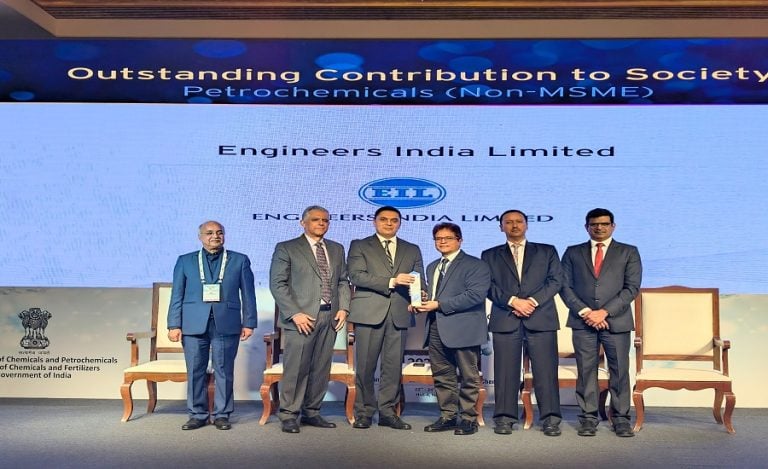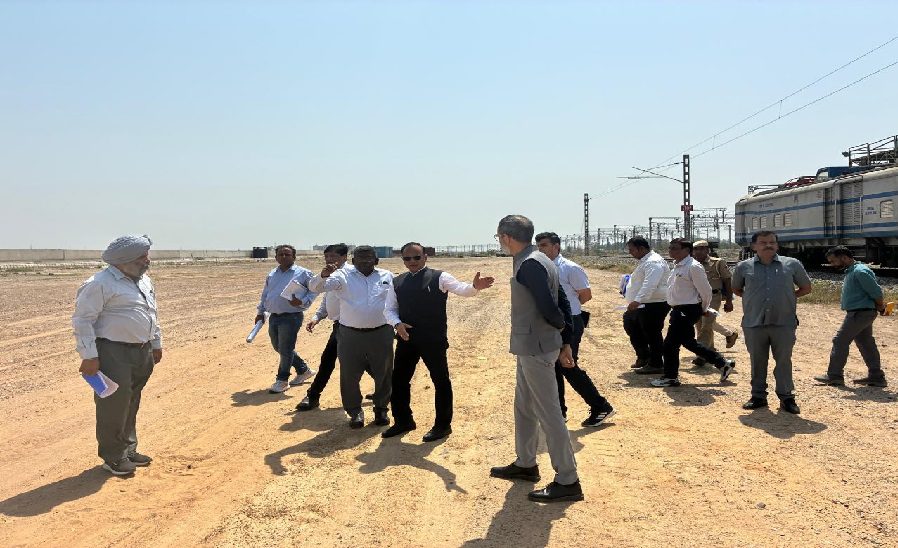
New Delhi: In a significant move to strengthen India’s freight logistics backbone, Dedicated Freight Corridor Corporation of India Limited (DFCCIL) conducted a comprehensive inspection of the Western Dedicated Freight Corridor (WDFC) section from New Dadri to New Sri Madhopur. The inspection aimed to assess infrastructure readiness, operational efficiency, and terminal performance across key nodes of the corridor.
Inspection Led by Senior Railway Board Officials
The inspection was led by Shyam Sunder Gupta, Principal Executive Director (Infrastructure), Railway Board. He was accompanied by senior DFCCIL officials, including:
- Shobhit Bhatnagar, Director (Operations & Business Development), DFCCIL
- Anurag Sharma, Director (Infrastructure), DFCCIL
The exercise reflects the coordinated efforts between the Railway Board and DFCCIL to ensure seamless operations and optimal utilization of freight infrastructure.
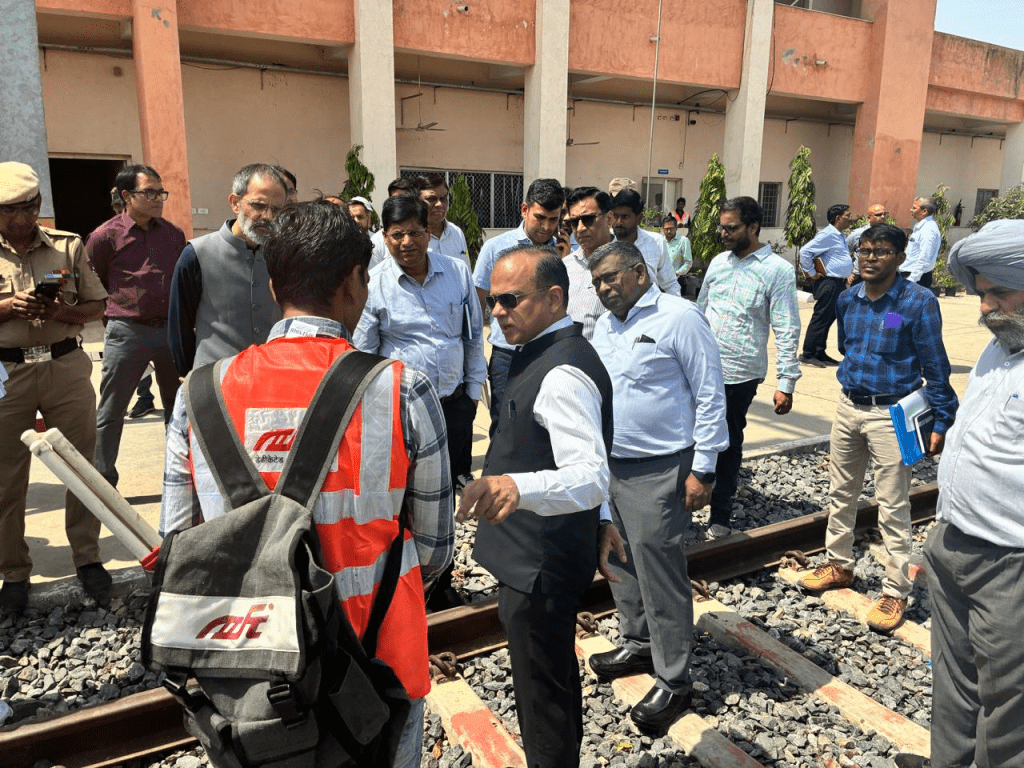
Railcar Inspection Covers Key Infrastructure Points
The inspection commenced from New Dadri via a railcar special, marking the beginning of an extensive on-ground evaluation of critical infrastructure and operational nodes along the corridor.
Key locations inspected included:
- New Dadri Station
- New Prithala Terminal
- Khatuwas (CMLK) CONCOR siding
- New Madhopur Station, including its Demonstration Yard
These locations were reviewed to assess their operational readiness and capacity to handle increasing freight traffic efficiently.
Focus on Terminal Readiness and Operational Performance
During the inspection, officials undertook a detailed review of:
- Terminal readiness and functionality
- Infrastructure performance
- Traffic handling capacity
- Progress of ongoing works
Special emphasis was placed on improving stakeholder coordination, enhancing terminal efficiency, and ensuring smooth operational workflows across the corridor.
Strengthening Coordination with Indian Railways
At New Sri Madhopur, discussions were held on operational integration and coordination with the North Western Railway (NWR), Jaipur.
The visit concluded with a formal handover at the NWR Headquarters in Jaipur, reinforcing collaboration between DFCCIL and Indian Railways to ensure integrated logistics development and efficient freight movement.
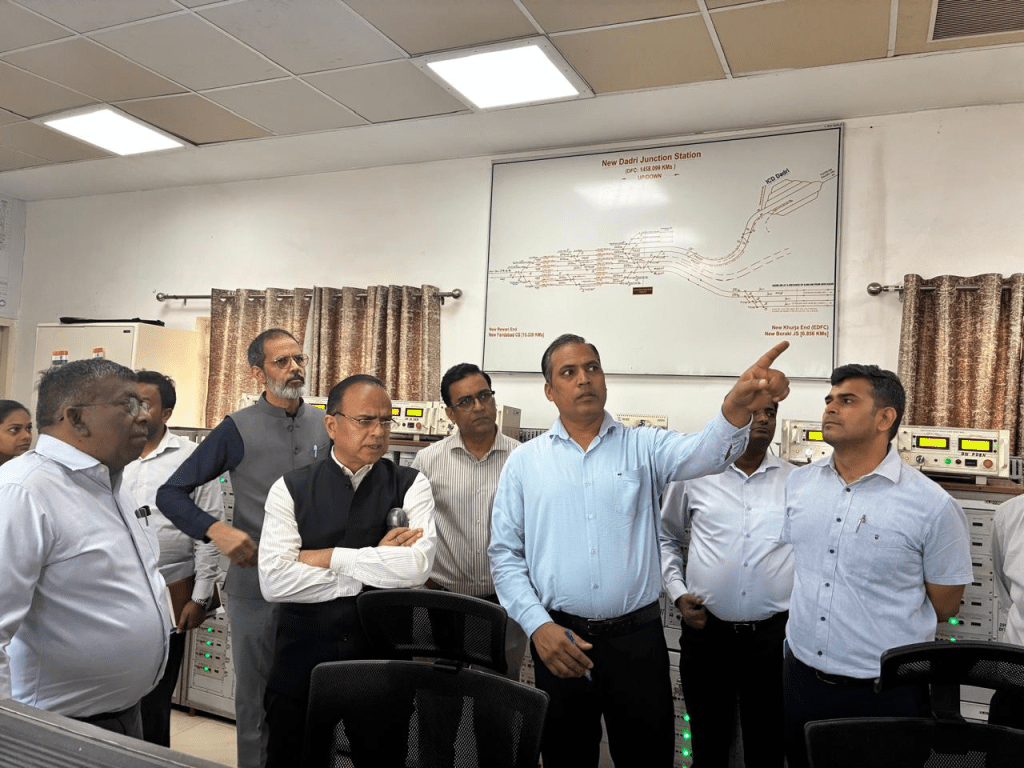
Senior Officials Participate in Review Discussions
The inspection also saw the participation of Shri Abhinav Singh, Director (Infrastructure), Railway Board, along with several senior DFCCIL officials, including:
- Vikas Srivastava, GGM/S&T
- Ranvijay, GGM/Electrical
- Sourabh Singh Patel, GGM (Bridge, Track & Technology)
- Anurag Yadav, CGM/Noida
- R.S. Choudhary, CGM/Jaipur
Their presence ensured a comprehensive review of both technical and operational aspects of the corridor.
Boosting Multimodal Connectivity and Logistics Efficiency
The inspection facilitated in-depth deliberations on:
- Strengthening multimodal connectivity
- Enhancing business development initiatives
- Improving asset utilisation
- Ensuring seamless integration with existing railway networks and logistics ecosystems
These efforts are aimed at making freight movement faster, more reliable, and cost-effective.
WDFC: A Key Pillar of India’s Logistics Transformation
The Western Dedicated Freight Corridor (WDFC) remains a crucial component of India’s logistics infrastructure. By enabling faster transit times, improved turnaround efficiency, and reduced logistics costs, the corridor is playing a vital role in boosting economic growth.
The latest inspection underscores DFCCIL’s continued focus on enhancing infrastructure and operational efficiency, ensuring that the corridor meets the evolving demands of freight transportation in the country.
About DFCCIL
Dedicated Freight Corridor Corporation of India Limited (DFCCIL) is a Central Public Sector Undertaking under the Ministry of Railways, Government of India. It develops, operates, and maintains high-capacity freight corridors to enhance efficiency, reduce transit time, and create sustainable logistics solutions for bulk goods, including agricultural and industrial cargo. DFCCIL’s initiatives are central to modernizing India’s freight transport network and supporting economic growth.