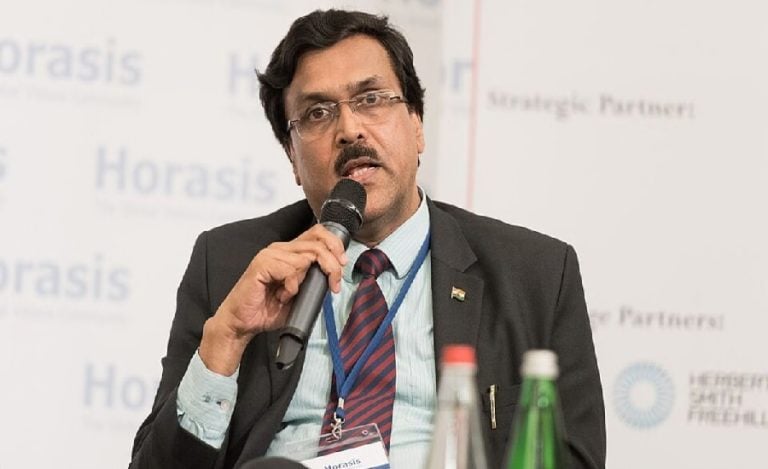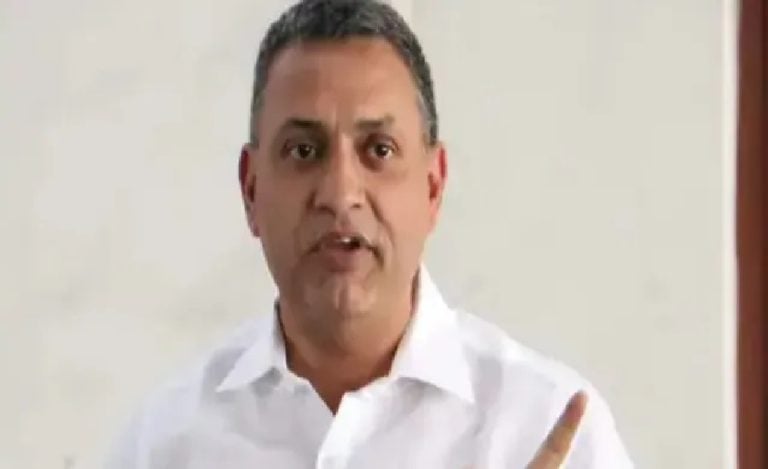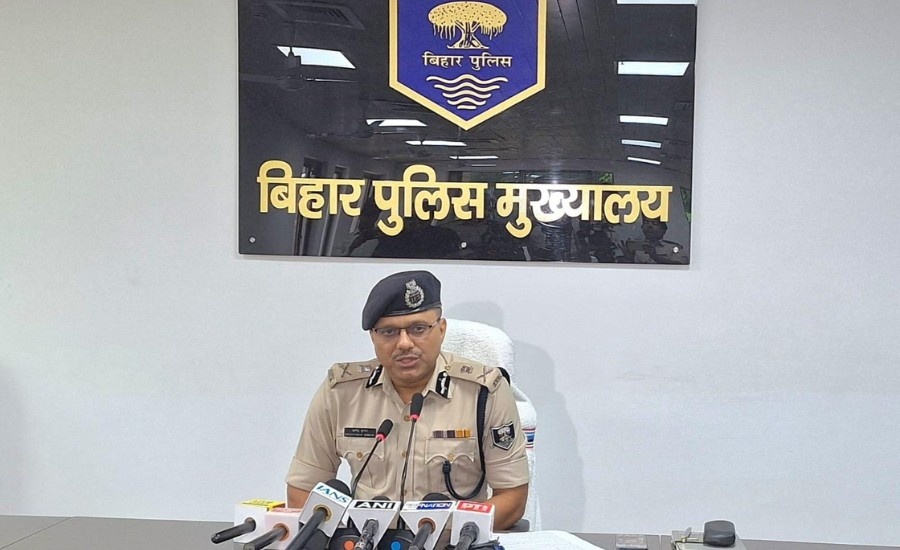
Patna: In a significant move aimed at improving transparency and accountability in traffic enforcement, Bihar Police has decided that only officers of the rank of Sub-Inspector (SI) and above will be authorised to stop vehicles, conduct inspections and issue challans across the state. The decision was announced by Additional Director General (Traffic) Sudhanshu Kumar (IPS:1996:Bihar) during a press conference at the Police Headquarters in Patna.
The revised protocol bars Constables and Jamadars from stopping vehicles or initiating any enforcement action. The move is expected to bring greater uniformity and professionalism to roadside traffic checks while reducing complaints related to unauthorised inspections.
Digital Documents to Be Accepted During Vehicle Checks
Motorists will be allowed to produce vehicle-related documents through DigiLocker or any other recognised online platform during inspections. According to the ADG, digital documents will be treated as valid provided they are authentic and legally recognised.
Read Also: Bihar Police ASI Operator Preliminary Exam Conducted at 189 Centres Across 11 Districts
Body-Worn Cameras Mandatory During Traffic Enforcement
To strengthen transparency and accountability during traffic enforcement, Bihar Police has made it mandatory for all traffic personnel on duty to wear body-worn cameras.
According to ADG Sudhanshu Kumar (IPS:1996:Bihar), no vehicle inspection or challan-related action should be carried out unless the body camera is switched on. Any enforcement action taken without activating the camera will be treated as a violation of the prescribed protocol.
Integrated Command Centre to Monitor Traffic Across Key Locations
The Integrated Command and Control Centre (ICCC) located near Gandhi Maidan in Patna will play a central role in monitoring traffic movement across major roads and intersections.
Whenever congestion or any traffic-related emergency is detected, alerts will be immediately sent to the concerned traffic personnel or the Quick Response Team (QRT) to ensure timely intervention and restore smooth traffic flow.
Road Accident Victims Eligible for ₹1.5 Lakh Cashless Treatment
Highlighting the benefits available under the Prime Minister’s Relief Scheme, the ADG said many accident victims fail to receive assistance because they are unaware of the scheme.
Under the scheme, eligible road accident victims can receive cashless treatment of up to ₹1.5 lakh at designated hospitals.
To avail the benefit:
- The accident must be reported within 24 hours.
- Information should be shared through the designated call centre or the nearest police station.
The ADG noted that only 82 beneficiaries in Bihar have availed the scheme so far, indicating the need for greater public awareness.
Motor Accident Claims Tribunals Strengthen Compensation Process
Sudhanshu Kumar said Motor Accident Claims Tribunals (MACTs) have been established in every district following directions of the Supreme Court to ensure timely compensation for road accident victims.
According to official data:
- 3,339 compensation cases have been processed.
- 1,972 people have received compensation.
Measures Underway to Improve Traffic Management
The Bihar Police is also working with municipal bodies and other government agencies to improve traffic management in Patna and other major cities.
Key initiatives include:
- Removing encroachments from major roads and No Vendor Zones in coordination with civic authorities.
- Deploying traffic personnel point-to-point, instead of limiting deployment only to major intersections, to prevent traffic congestion.
- Addressing bottlenecks caused by metro construction, encroachments and other factors through continuous monitoring and targeted interventions.
- Regulating auto-rickshaw movement in Patna while providing specialised training to police personnel for more effective traffic management.
Focus on Transparency and Public Convenience
The latest measures reflect Bihar Police’s broader effort to modernise traffic enforcement through greater accountability, technology-driven monitoring and improved public service delivery.
By combining stricter enforcement protocols with digital verification systems and enhanced accident relief mechanisms, the state aims to make traffic management more transparent, efficient and citizen-friendly.