New Delhi: The Union Cabinet Committee on Economic Affairs (CCEA), chaired by Prime Minister Narendra Modi, has approved a major reform initiative in India’s public food distribution system. The government will spend ₹25,530 crore over the next five years, up to March 2031, under a new integrated programme called “SARTHAK-PDS”.
The scheme aims to modernise the Public Distribution System (PDS) by combining existing subsidy and technology initiatives into a single, unified framework. The goal is to make ration delivery more transparent, efficient, and technology-driven for over 81 crore beneficiaries under the National Food Security Act (NFSA), 2013.
A Unified Push to Strengthen India’s Food Security System
The new SARTHAK-PDS programme merges two key components:
- Financial support for intra-state movement of foodgrains and Fair Price Shop (FPS) dealer margins
- The existing Smart PDS digital reform initiative
By bringing these together, the government plans to reduce duplication, improve logistics, and strengthen last-mile delivery of subsidised food grains.
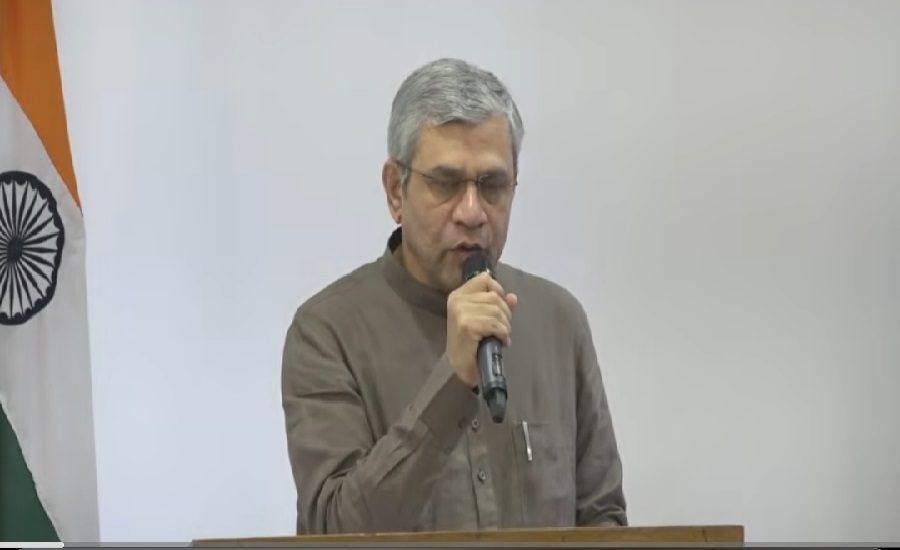
Union Minister Ashwini Vaishnaw said the reforms are designed to improve the supply chain from Food Corporation of India (FCI) warehouses to ration shops, while also ensuring better support for FPS dealers.
Tackling Transportation Costs and Supply Chain Gaps
One of the major challenges in the current system has been the cost and complexity of transporting foodgrains across states and districts.
Under SARTHAK-PDS, the Centre will provide financial assistance for intra-state movement of foodgrains. This is expected to:
- Improve timely delivery of ration supplies
- Reduce logistical bottlenecks
- Strengthen coordination between central and state systems
- Support fair price shop operators more effectively
AI-Powered “Smart PDS”: Three Key Technology Pillars
The biggest highlight of the scheme is its strong focus on digital transformation using Artificial Intelligence (AI), Machine Learning (ML), Natural Language Processing (NLP), and Blockchain technology.
The Smart PDS framework is built on three pillars:
Nirmal: AI-Based Beneficiary Verification System
The “Nirmal” platform will use AI to create a national beneficiary registry for the PDS system. It aims to ensure that only eligible families receive benefits.
Key features include:
- AI-based verification of beneficiaries
- Data integration across government departments
- Removal of ineligible or duplicate entries
- Ensuring uninterrupted benefits for genuine households
Asha: AI Grievance Redressal and Feedback Platform
The “Asha” system will focus on improving communication between citizens and the PDS network.
It will:
- Automatically analyse complaints and feedback
- Provide faster responses using AI tools
- Collect real-time feedback from beneficiaries
- Support large-scale outreach (around 2 lakh feedback calls per month already underway)
Saksham: End-to-End Digital Supply Chain Tracking
The “Saksham” pillar aims to fully digitise the movement of foodgrains across the supply chain.
Key upgrades include:
- QR codes on every foodgrain bag
- GPS-enabled transport vehicles for real-time tracking
- Digital dashboards for monitoring stock movement
- State-level control centres for better oversight
Building on India’s Digital PDS Reforms
SARTHAK-PDS is not starting from scratch. It builds on several reforms already implemented over the past decade, such as:
- End-to-end computerisation of PDS
- Aadhaar-based beneficiary identification
- Electronic Point of Sale (e-PoS) systems at ration shops
- Online foodgrain allocation systems
- Mobile apps like Mera Ration and Anna Sahayata for citizens
These systems have already improved portability, transparency, and grievance handling in many states.
What the Government Aims to Achieve
With SARTHAK-PDS, the government aims to create a single, unified digital platform for food distribution that is:
- More transparent
- Less prone to leakages
- Faster and more efficient
- Easier to monitor in real time
- More citizen-friendly
The scheme is expected to significantly improve the delivery of subsidised food grains to India’s vast beneficiary base while modernising one of the world’s largest food security networks.
The Bigger Picture
The transformation of PDS into a “Smart PDS” reflects India’s broader push toward digital governance. By combining AI, real-time tracking, and integrated databases, SARTHAK-PDS is designed to make food security delivery more precise, accountable, and responsive to citizen needs.
If implemented effectively, it could mark one of the most significant upgrades in India’s welfare delivery system in recent years.