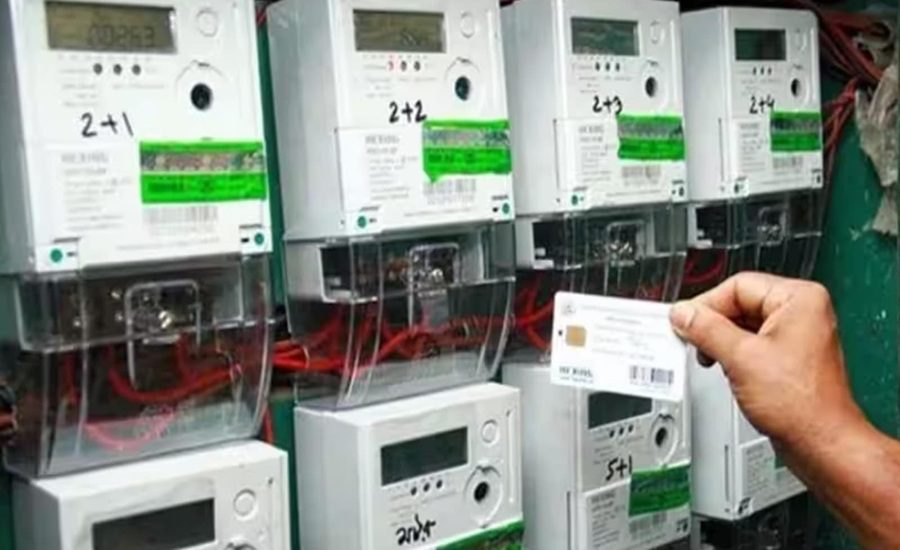
Raipur: Amid growing concerns and misinformation surrounding smart electricity meters, the Chhattisgarh State Power Distribution Company Limited (CSPDCL) has released the findings of a three-month comparative study, concluding that smart meters do not increase electricity consumption or inflate power bills.
The study, conducted across Raipur, Bilaspur and Durg, analysed electricity consumption data for May, June and July 2026. It found that power consumption declined significantly in July across all three cities, indicating that electricity bills depend on actual usage rather than the type of meter installed.
According to the power distribution company, the findings dispel the misconception that smart meters record higher consumption than conventional meters.
Raipur Records 28% Drop in Electricity Consumption
The most extensive analysis was carried out in Raipur, covering 3,11,374 domestic consumers equipped with smart meters.
Between June 1 and June 26, 2026, these consumers collectively consumed around 10.85 crore units of electricity. However, between July 1 and July 26, total consumption declined to approximately 7.77 crore units, representing a 28% reduction.
The decline was even more pronounced among high-consumption households.
An assessment of 1,21,135 consumers whose monthly electricity consumption exceeded 400 units revealed that their power usage dropped by nearly 44% in July.
Sharp Decline Recorded in Durg and Bilaspur
The trend was consistent in the other two cities included in the study.
In Durg, CSPDCL analysed 240 selected smart meter consumers whose monthly consumption exceeded 400 units.
Their total electricity consumption stood at:
- May 2026: 1,75,451 units
- June 2026: 1,65,411 units
- July 2026: 76,257 units
This translates into a 53% reduction in electricity consumption during July.
Similarly, in Bilaspur, the company studied 9,717 smart meter consumers with monthly usage above 400 units.
The average monthly consumption was:
- May: 524 units
- June: 596 units
- July: 312 units
This represented a 43% decline in average electricity consumption in July.
Higher Bills Linked to Increased Appliance Usage
The power utility said the data clearly indicates that smart meters are not responsible for higher electricity bills.
According to the study, electricity consumption naturally rose during April, May and June, mainly because of increased usage of electrical appliances such as air conditioners during the summer months.
To support this conclusion, CSPDCL also analysed consumers who do not have smart meters.
The comparison showed that these consumers, too, recorded higher electricity consumption in April, May and June compared to the corresponding period in the previous year. Their consumption also declined in July as weather conditions became relatively cooler.
The company cited examples from households in Avanti Vihar, Rajiv Nagar and Kachna in Raipur, where electricity usage increased substantially during the peak summer months despite the variation in meter types. This, it said, demonstrates that electricity consumption is driven by actual usage patterns rather than smart metering technology.
More Consumers May Benefit from State Subsidy Scheme
The study also highlighted implications for beneficiaries of the Mukhyamantri Urja Rahat Jan Abhiyan Yojana.
Consumers using air conditioners generally consume more than 400 units a month and therefore often become ineligible for benefits under the scheme.
However, with electricity consumption dropping significantly in July, CSPDCL expects many such consumers to receive lower electricity bills for the month and potentially become eligible for benefits under the state government’s subsidy programme.
Change in ‘Supply Affording’ Charges
The power distribution company also announced an important change regarding ‘supply affording’ charges.
Earlier, if a consumer’s peak electricity demand exceeded the sanctioned load for three consecutive months, an additional charge was imposed through the electricity bill.
Under the revised arrangement, this charge will now be levied only once every year, specifically in the December bill issued in January, instead of being charged repeatedly.
Check Meters Confirm Smart Meter Accuracy
To address consumer concerns over billing accuracy, CSPDCL has been installing check meters alongside smart meters.
According to the company, 4,500 check meters have already been installed, and their readings have matched those recorded by the smart meters, providing further evidence of the technology’s accuracy.
Consumers experiencing billing-related issues can contact the utility through the 1912 toll-free helpline for grievance redressal and clarification.
‘Mor Bijli’ App Enables Real-Time Monitoring
The company has urged consumers not to rely on misinformation regarding smart meters.
Consumers with smart meters can monitor their electricity usage through the ‘Mor Bijli’ mobile application and the smart meter portal, which provide:
- Daily electricity consumption
- Half-hourly usage data
- Real-time monitoring of power consumption
For consumers using conventional meters, the app displays monthly consumption, although daily usage data is not available.
CSPDCL said these digital tools enable consumers to identify unnecessary electricity usage, improve energy efficiency and better manage household power consumption.
Power Utility Calls for Public Awareness
Reiterating its commitment to transparency, the Chhattisgarh State Power Distribution Company said it will continue to provide factual information about smart meters to eliminate misconceptions and build public confidence in the technology.
The utility maintained that the study clearly demonstrates that electricity bills are determined by actual consumption, not by the installation of smart meters, and urged consumers to verify their own usage through digital platforms instead of relying on rumours.
Read also: CM Vishnu Deo Sai Meets Raipur DRM, Discusses Modernisation of Sarona and Balod Railway Stations