20 November 2026
ADVERTISEMENT
ADVERTISEMENT

DRDO, Indian Armed Forces Mark Milestone with First-Ever Helicopter-Based Salvo Launch of Anti-Ship Missile off Odisha Coast

NASM-SR Missile Test: DRDO and Indian Navy Demonstrate Advanced Strike Capability in Bay of Bengal
Indian Masterminds Stories

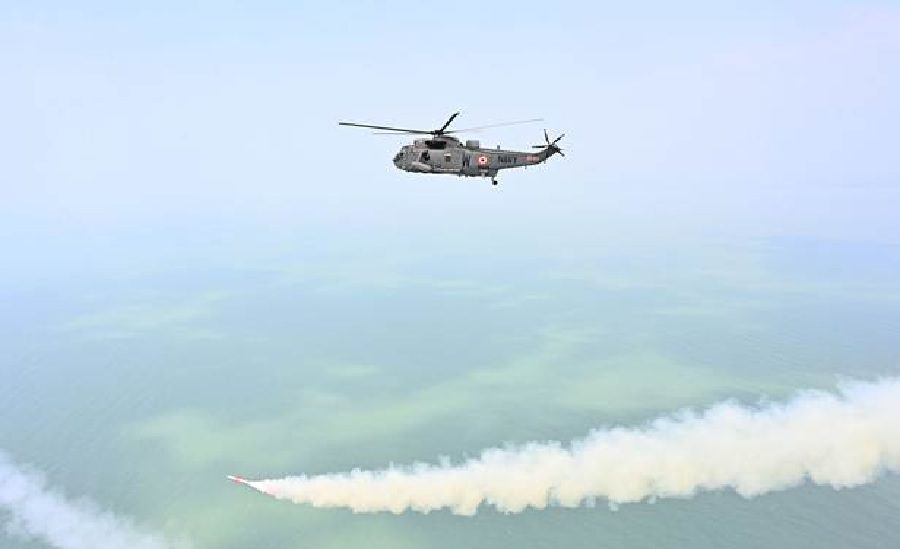
New Delhi: In a significant boost to India’s maritime strike capabilities, the Defence Research & Development Organisation(DRDO), in collaboration with the Indian Navy, successfully carried out the maiden salvo launch of the Naval Anti-ship Missile-Short Range (NASM-SR). The test was conducted from a naval helicopter platform off the coast of the Bay of Bengal in Odisha.

The trial marked a major technological milestone, as two missiles were launched in quick succession from the same helicopter. This achievement makes it the first-ever salvo launch of an advanced air-launched anti-ship missile system in India.

All Test Objectives Successfully Achieved

According to official sources, all mission objectives were successfully met during the trial. The performance of the missiles was comprehensively tracked and validated using a range of sophisticated instruments deployed at the Integrated Test Range (ITR), Chandipur.

Key tracking systems included radar, electro-optical sensors, and telemetry systems, which captured detailed flight data. Notably, the missiles demonstrated precise “waterline hit capability,” indicating their effectiveness in targeting enemy ships at critical points to ensure maximum damage.

The test launches were witnessed by senior scientists from DRDO, representatives from the Indian Navy and the Indian Air Force, as well as Development-cum-Production Partners (DcPP).

Read also: DRDO Unveils Advanced Tracked and Wheeled Armoured Platforms with Crewless 30 mm Turret

Advanced Indigenous Technologies Power NASM-SR

The NASM-SR missile is equipped with advanced indigenous technologies, showcasing India’s growing self-reliance in defence systems. It uses a solid propulsion booster coupled with a long-burn sustainer for enhanced performance.

Several critical subsystems have been indigenously developed, including:

  • A state-of-the-art seeker
  • Integrated avionics module
  • Advanced navigation and guidance systems based on fibre-optic gyroscope-based Inertial Navigation System
  • Radio-altimeter for precision targeting
  • Advanced control and guidance algorithms
  • High-bandwidth two-way data link
  • Jet-vane control mechanism

These systems collectively ensure high accuracy, reliability, and operational flexibility in complex maritime environments.

Multi-Lab Collaboration Drives Development

The missile system has been developed by the Research Center Imarat, Hyderabad, in collaboration with several other DRDO laboratories. These include the Defence Research & Development Laboratory, Hyderabad; High Energy Materials Research Laboratory, Pune; Terminal Ballistics Research Laboratory, Chandigarh; and ITR Chandipur.

Production of the missiles is currently underway through Development-cum-Production Partners (DcPP), with active participation from Indian industries and emerging start-ups, further strengthening the country’s defence manufacturing ecosystem.

Leadership Applauds Successful Trial

Defence Minister Rajnath Singh congratulated DRDO, the Indian Navy, the Indian Air Force, and industry partners, including DcPP, for the successful maiden salvo launch. He noted that the development of the NASM-SR missile would significantly enhance the operational capabilities of India’s defence forces.

Dr Samir V Kamat, Secretary of the Department of Defence R&D and Chairman of DRDO, also lauded the teams involved in achieving this milestone, highlighting their dedication and technical excellence.

Strategic Boost to India’s Maritime Defence

The successful testing of the NASM-SR missile represents a critical advancement in India’s naval warfare capabilities. With its ability to be launched from helicopters and execute precise strikes on enemy vessels, the system adds a potent dimension to India’s maritime strike arsenal.

This achievement underscores India’s continued progress towards defence self-reliance and strengthens its preparedness in safeguarding maritime interests.

Read also: India Set for Underwater Strike Revolution: How Russia’s 1,500 KM Cruise Missile Could Transform Indian Navy’s War Strategy


Indian Masterminds Stories
Join our WhatsApp Channel
ADVERTISEMENT
ADVERTISEMENT
Related Stories
ADVERTISEMENT
ADVERTISEMENT
NEWS
MoHUA Resized
PM SVANidhi Samman Awards 2026: 52 Awards to Honour Contributions to Street Vendors’ Empowerment
India-Japan Defence Cooperation
India, Japan Strengthen Defence and Strategic Cooperation at Fourth 2+2 Ministerial Meeting in Tokyo
flyover-bridge-
Delhi Plans 8-Km Elevated Corridor with Four Flyovers on Mehrauli-Badarpur Road to Ease Traffic
punjab
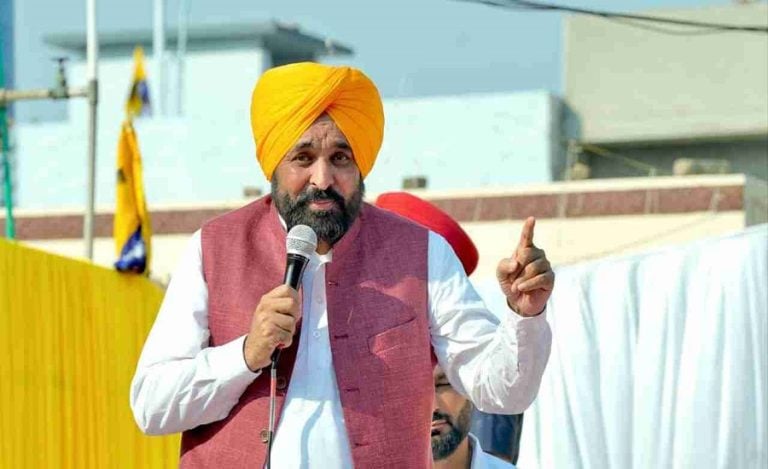
Punjab CM Bhagwant Mann Reaffirms Welfare Guarantees, Highlights Government's Development Initiatives
Future-Ready Cities in West Bengal
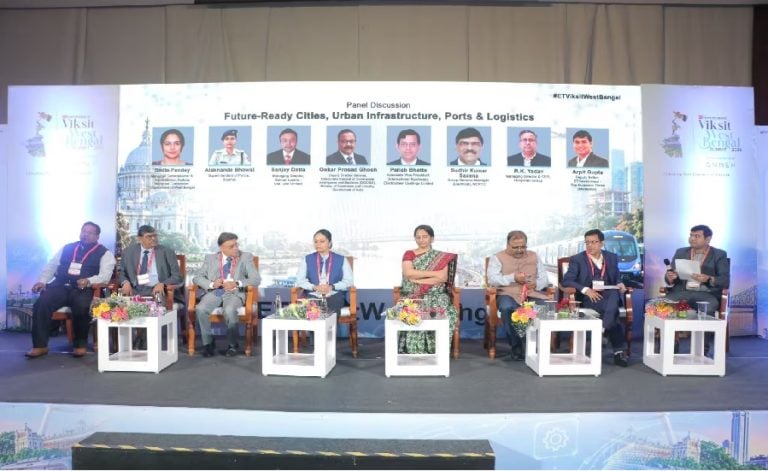
Future-Ready Cities: Experts Highlight Connectivity, Digital Governance and Port Modernisation in West Bengal
POWERGRID Value Chain Partners Meet 2026
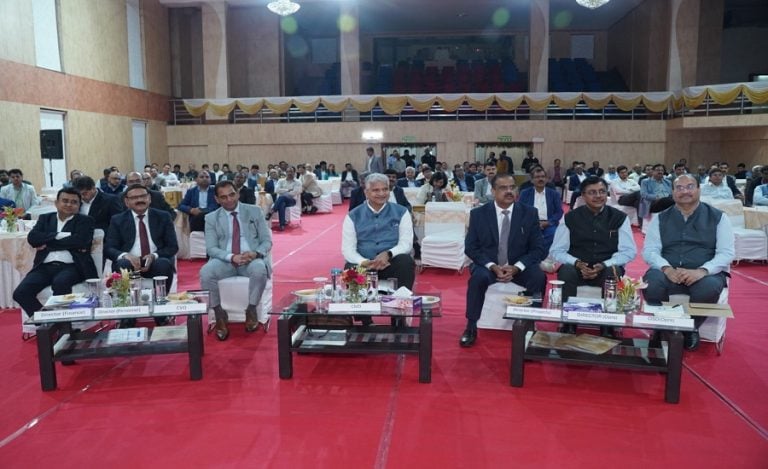
POWERGRID Organises Value Chain Partners Meet 2026 to Strengthen Transparency and Ethical Practices
Women's Asian Hockey Champions Trophy
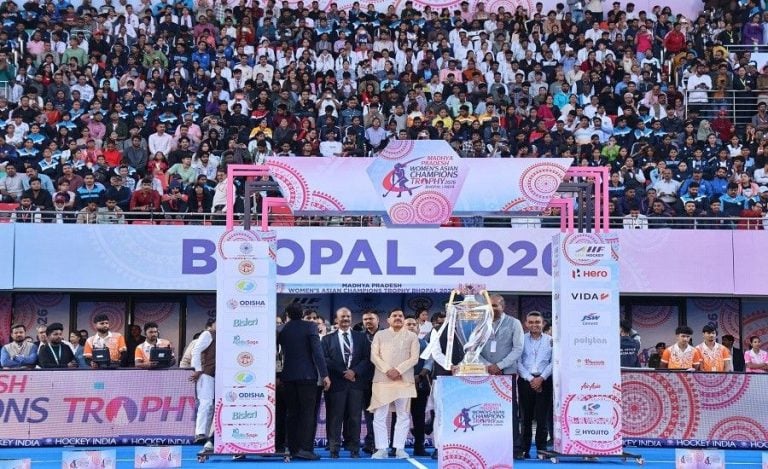
Madhya Pradesh CM Mohan Yadav Inaugurates Women’s Asian Hockey Champions Trophy in Bhopal
IPS Laxmi Singh
Who Is IPS Laxmi Singh? India's Longest-Serving Woman Police Commissioner Completes Nearly 4 Years in Noida
ADVERTISEMENT
ADVERTISEMENT
Videos
Five years after Kargil, India sent its cricketing heroes to Pakistan where terrorism posed a deadly threat. The man guarding them, former Special Director of Intelligence Bureau, Mr. Yashovardhan Azad, reveals what all went behind the scenes during that crucial tour. 
Trust No One, Said His Instinct in Pakistan
Gajendra Singh Shekhawat
How India Plans to Boost Tourism, Create Jobs and Ease Overcrowding : Gajendra Singh Shekhawat on the Road to 2047
Dr Saket Badola IFS
Beyond Tigers and Safaris: How Corbett Literature Festival Wants to Change the Conservation Conversation
ADVERTISEMENT
UPSC Stories
Mayank Gurjar
He Lost His Father in Class 12, Then Cleared UPSC in One Attempt to Become an IPS Officer
After losing his father in Class 12, Mayank Gurjar held on to his dream of public service, graduated...
Gautam UPSC
He Studied at 4 AM in a 10×10 Mumbai Slum Room; Today, Gautam Padibhar is an Indian Forest Service Officer
Meet IFS officer Gautam Padhibhar, a 2023-batch Chhattisgarh cadre officer who rose from financial hardship...
Aniket Sagar ICoAS
No Coaching, Full-Time Job and Two Attempts: How Aniket Sagar Cleared ICoAS
Aniket Sagar, a chartered accountant from Bundelkhand, cleared UPSC ICoAS 2025 after working at PwC,...
CSR NEWS
Coal India CSR Programme
Coal India Organises CSR Programme to Align Mining Operations with Community Development 
Initiative Aims to Strengthen CSR Implementation in Coal-Bearing Regions and Improve Community Well-Being...
hurl
HURL Signs MoU with Injot Trust to Launch Project ANGOR for Children's Education in Assam
The three-year CSR initiative will cover five locations in Assam, focusing on holistic education, digital...
cmpdil
CMPDIL Partners with Tata Steel Foundation to Upgrade Technical Education at ITI Tamar 
The project will modernise training infrastructure with robotic welding technology, digital learning...
ADVERTISEMENT
ADVERTISEMENT
ADVERTISEMENT
Latest
MoHUA Resized
PM SVANidhi Samman Awards 2026: 52 Awards to Honour Contributions to Street Vendors’ Empowerment
India-Japan Defence Cooperation
India, Japan Strengthen Defence and Strategic Cooperation at Fourth 2+2 Ministerial Meeting in Tokyo
ADVERTISEMENT
ADVERTISEMENT
ADVERTISEMENT
ADVERTISEMENT
ADVERTISEMENT
ADVERTISEMENT
ADVERTISEMENT
Videos
Five years after Kargil, India sent its cricketing heroes to Pakistan where terrorism posed a deadly threat. The man guarding them, former Special Director of Intelligence Bureau, Mr. Yashovardhan Azad, reveals what all went behind the scenes during that crucial tour. 
Gajendra Singh Shekhawat
Dr Saket Badola IFS
ADVERTISEMENT
ADVERTISEMENT