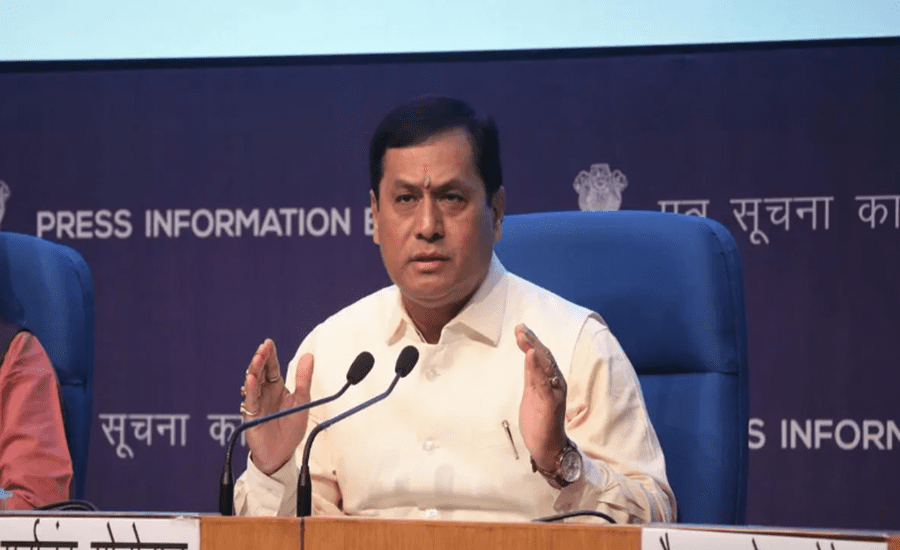
New Delhi: India’s maritime sector is witnessing a major transformation as women’s participation in the industry has increased by 340% since 2020, according to Union Minister Sarbananda Sonowal. The announcement was made during the 10th Indian Ocean Dialogue held in New Delhi.
The sharp rise highlights the government’s growing focus on gender inclusion, leadership opportunities, and workforce diversity in the maritime sector. The minister said initiatives such as “Sagar Mein Samman” are helping women enter and grow in shipping, port management, and seafaring careers.
Details of Women Participation in India Maritime Sector
Speaking at the event, Sarbananda Sonowal said India is building a more inclusive and future-ready maritime ecosystem. He stressed that the government wants women to play a stronger role in ports, shipping, logistics, and ocean-related industries.
The minister credited Prime Minister Narendra Modi’s vision for encouraging “Nari Shakti” in sectors traditionally dominated by men. He explained that the maritime industry is not only about trade and infrastructure but also about human development and equal opportunities.
What is “Sagar Mein Samman” Initiative
The Union Minister highlighted the importance of the “Sagar Mein Samman” initiative, which aims to improve dignity, inclusion, and leadership opportunities for women in maritime professions.
The programme supports women by creating safer work environments, promoting skill development, and encouraging female participation in shipping-related jobs.
Key Data of Women Participation in India Maritime Sector
Earlier government data also showed that the number of Indian women seafarers rose significantly over the last decade. According to official information, women seafarers increased from 341 in 2014 to 2,557 in 2024.
What is the Importance of Women Participation in India Maritime Sector
Experts believe higher women participation can help solve workforce shortages and improve innovation in the maritime industry.
Traditionally, maritime jobs have seen low female representation because of long working hours, safety concerns, and limited opportunities. However, government schemes, training support, and policy reforms are now changing the sector rapidly.
India is also working on modern maritime reforms, infrastructure upgrades, and shipping expansion plans to make the industry globally competitive.