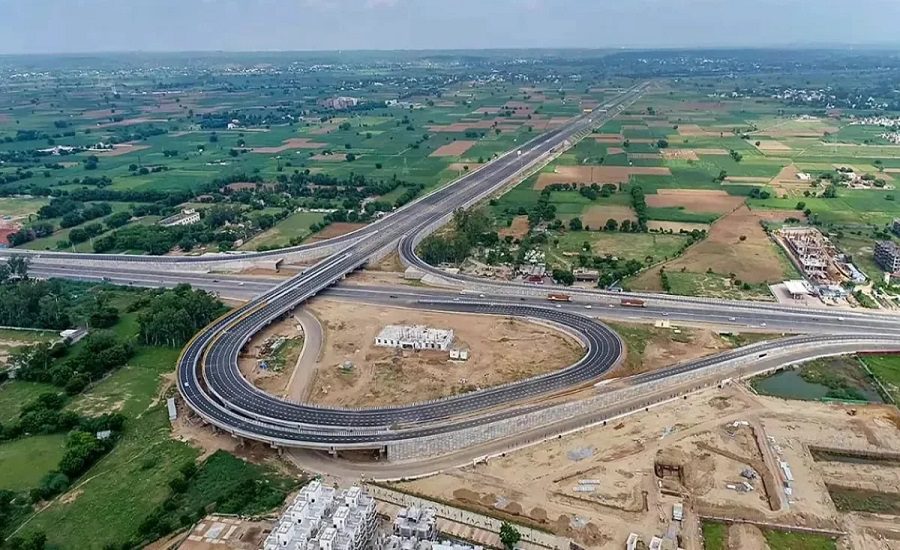
New Delhi: In a major infrastructure push aimed at reducing traffic congestion in the national capital, the Delhi government has approved the first phase of the ₹12,000 crore Elevated Ring Road Corridor project. The ambitious project is expected to significantly improve connectivity across North, East, Northeast, and Southeast Delhi.
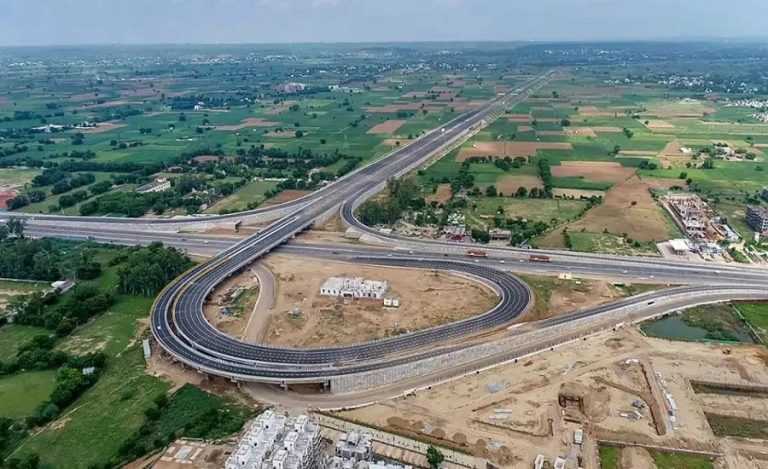
The project includes the construction of two new bridges over the Yamuna River and aims to provide signal-free, uninterrupted traffic movement across key arterial routes in the city.
55 Km Elevated Corridor to Transform Delhi’s Traffic Flow
The proposed Elevated Ring Road Corridor will span a total length of 55 kilometres, connecting key stretches of Delhi’s busy Ring Road network.
According to officials, the corridor will be developed from Metcalf House in Civil Lines to the DND Flyway near Ashram, ensuring smoother connectivity across major traffic zones without signal interruptions.
The primary objective of the project is to reduce congestion on heavily crowded roads and improve travel efficiency across the city.
First Phase to Cover 25 Kilometres
The first phase of the project will involve the construction of approximately 25 kilometres of elevated road infrastructure.
This phase will include the following key stretches:
- Azadpur Chowk to Metcalf House
- Majnu Ka Tila to Salimgarh Fort
- Salimgarh Fort to DND Flyway
Officials stated that this phase will lay the foundation for the full-scale implementation of the corridor.
Two New Yamuna Bridges to Improve Connectivity
A major highlight of the project is the construction of two new bridges over the Yamuna River, aimed at strengthening inter-regional connectivity.
Bridge 1: Near Salimgarh Fort
One bridge will be constructed between Metcalf House and Salimgarh Fort, replacing the old iron bridge. This is expected to ease congestion at key choke points such as ITO Bridge and Kashmere Gate Flyover, while directly linking East, Northeast, and Southeast Delhi with the DND Flyway.
Bridge 2: Chandgi Ram Akhara Area
The second bridge will be built near the Chandgi Ram Akhara area. It will connect Northeast Delhi, ITO, and Mayur Vihar while also improving connectivity to the Delhi-Dehradun Expressway, enhancing travel between Delhi, Noida, and Ghaziabad.
Improved Speed, Reduced Travel Time and Lower Emissions
At present, the Ring Road handles nearly five lakh vehicles daily, with average peak-hour speeds dropping to around 23.79 km/h due to congestion.
After completion of the project, authorities aim to increase the average speed to 45 km/h, significantly reducing travel time for commuters.
The project is also expected to:
- Reduce traffic congestion
- Lower road accident rates
- Decrease carbon emissions
Officials noted that over 150 fatal accidents occur annually on the Ring Road, along with approximately 2.1 lakh tonnes of carbon emissions. The elevated corridor is expected to mitigate both issues by improving traffic flow.
Major Boost to Delhi’s Urban Infrastructure
The Elevated Ring Road Corridor is seen as a transformative infrastructure project for the capital, aimed at addressing long-standing traffic bottlenecks and improving urban mobility. Once completed, it is expected to enhance regional connectivity, reduce pollution levels, and provide faster travel routes across Delhi and its adjoining regions.
The approval of the ₹12,000 crore Elevated Ring Road Corridor marks a significant step in Delhi’s infrastructure development strategy. With new bridges over the Yamuna and a fully elevated signal-free corridor, the project promises to reshape traffic movement and improve daily commuting experiences across the capital.