New Delhi: In a major shift towards preventive pollution control, the Delhi government on Friday notified a comprehensive Proactive Winter Air Quality Management Framework, introducing a series of measures aimed at tackling seasonal air pollution before air quality deteriorates.
The new framework includes mandatory Pollution Under Control Certificate (PUCC) verification for fuel purchases, restrictions on non-BS-VI commercial vehicles entering Delhi, doubled parking charges during winter months, staggered office timings, work-from-home provisions, and stricter controls on construction dust and open burning.
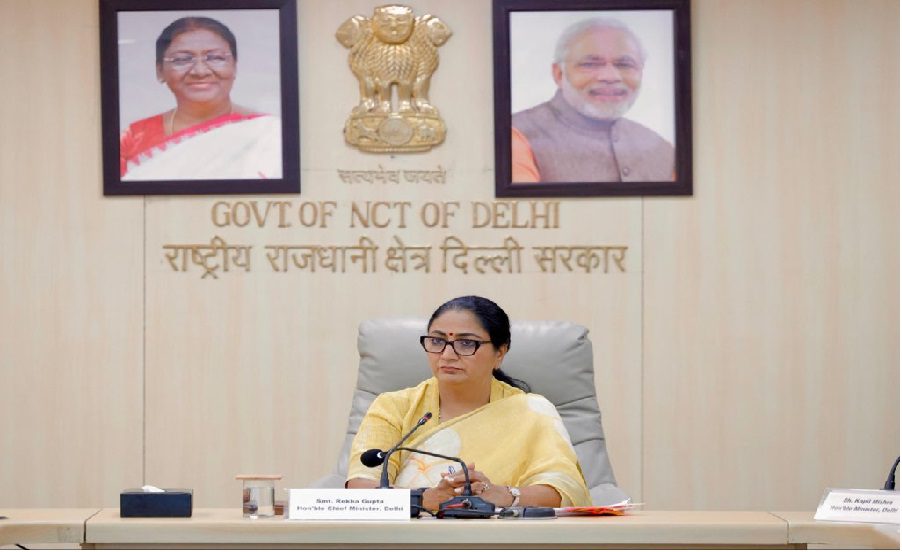
Chief Minister Rekha Gupta said the strategy represents a proactive approach to pollution management, moving away from the earlier practice of imposing emergency restrictions only after air quality had already worsened.
Shift from Reactive to Preventive Pollution Management
The newly notified framework has been issued under the Environment (Protection) Act, 1986, and will function alongside the revised Graded Response Action Plan (GRAP) implemented by the Commission for Air Quality Management (CAQM).
According to the Chief Minister, the objective is to ensure advance preparedness for the annual winter pollution season, when Delhi’s air quality often plunges into the “very poor” and “severe” categories.
The government has deliberately announced the measures several months ahead of winter to provide adequate time for residents, businesses, transport operators and government departments to prepare.
Fuel Only for Vehicles with Valid PUCC
One of the most significant provisions under the framework is the mandatory requirement of a valid Pollution Under Control Certificate (PUCC) for purchasing fuel at petrol stations across Delhi.
Under the new rules, petrol pumps will provide fuel only to vehicles possessing a valid PUCC certificate.
The government, however, has not yet clarified the duration for which this restriction will remain operational or whether it will apply throughout the year or only during the winter season.
Officials believe the measure will encourage vehicle owners to maintain emission compliance and reduce pollution from poorly maintained vehicles.
Non-BS-VI Commercial Vehicles from Outside Delhi to Face Entry Ban
The Delhi government has also announced strict restrictions on commercial vehicles registered outside the national capital.
Under the framework, non-BS-VI commercial vehicles from other states will not be allowed to enter Delhi between November 1, 2026, and January 31, 2027.
The move is aimed at reducing vehicular emissions during the period when weather conditions often trap pollutants close to the ground.
Exempted Categories
The restrictions will not apply to:
- CNG-powered commercial vehicles
- Electric vehicles (EVs)
- Emergency service vehicles
- Vehicles engaged in official government work
Officials expect the measure to significantly reduce pollution generated by older diesel-powered commercial vehicles entering the city.
Parking Charges to Double for Four Months
To discourage excessive use of private vehicles and reduce traffic congestion during winter, parking charges at authorised parking facilities across Delhi will be doubled.
The increased parking rates will remain in effect from November 1, 2026, to February 28, 2027.
The government believes higher parking fees will encourage greater use of public transportation, carpooling and sustainable mobility options while helping reduce vehicle emissions.
Work-From-Home and Staggered Office Timings
As part of efforts to reduce traffic volume and improve commuting efficiency, the framework introduces staggered office timings across government and private sectors.
Authorities have proposed a system where:
- Maximum 50% physical attendance may be allowed in offices
- Remaining employees may work from home
- Essential and emergency services will remain exempt
The staggered attendance model is expected to reduce peak-hour congestion and lower vehicular emissions during the critical winter period.
Stricter Controls on Construction Dust and Open Burning
The framework also targets two major contributors to winter pollution in Delhi—construction dust and open burning.
The government has announced:
Construction Dust Management
- Enhanced monitoring of construction activities
- Stricter enforcement of dust-control norms
- Advance planning to manage pollution hotspots
- Greater accountability for project developers
Ban on Open Burning
Authorities will intensify enforcement against:
- Open burning of garbage
- Burning of biomass
- Waste disposal through fire
- Other forms of open-air combustion
Officials say these activities significantly worsen air quality during winter and contribute to dangerous levels of particulate pollution.
Framework to Complement Revised GRAP
The government clarified that the new framework will not replace the Graded Response Action Plan (GRAP) but will operate alongside it.
While GRAP primarily comes into effect after pollution levels reach specific thresholds, the Proactive Winter Air Quality Management Framework seeks to implement preventive measures before pollution escalates.
Officials believe this advance intervention model will help reduce the severity of winter smog episodes and improve overall air quality management.
Delhi’s Broader Push Towards Cleaner Mobility
The announcement comes at a time when the Delhi government is also preparing to launch its new Electric Vehicle (EV) Policy 2.0.
According to government officials, the draft policy is likely to be placed before the Cabinet for approval next week.
Key Proposals Under EV Policy 2.0
The proposed policy aims to ensure that:
- 95% of all new vehicle registrations are electric by 2027
- CNG auto-rickshaws gradually transition to electric alternatives
- Taxis shift towards electric mobility
- Light commercial vehicles adopt EV technology
- Delhi’s public bus fleet becomes fully electric over time
The policy also proposes a 50% road tax exemption for hybrid vehicles priced up to ₹30 lakh, although discussions regarding incentives for hybrids are still ongoing.
Government Says Early Notification Will Prevent Disruptions
Chief Minister Rekha Gupta said the framework has been announced months in advance to help stakeholders plan effectively and avoid last-minute disruptions during winter.
She emphasised that the government’s objective is not merely to react to pollution emergencies but to create a structured and predictable system that enables residents, businesses and transport operators to adapt well before pollution levels begin to rise.
A New Strategy for Delhi’s Annual Pollution Challenge
Delhi has long struggled with severe winter air pollution caused by a combination of vehicular emissions, dust, industrial activity, biomass burning and adverse meteorological conditions.
With the introduction of the Proactive Winter Air Quality Management Framework, the government is seeking to adopt a preventive strategy that addresses key pollution sources before air quality reaches hazardous levels.
If effectively implemented, the framework could mark a significant shift in Delhi’s approach to managing its recurring winter pollution crisis and improving public health outcomes for millions of residents.