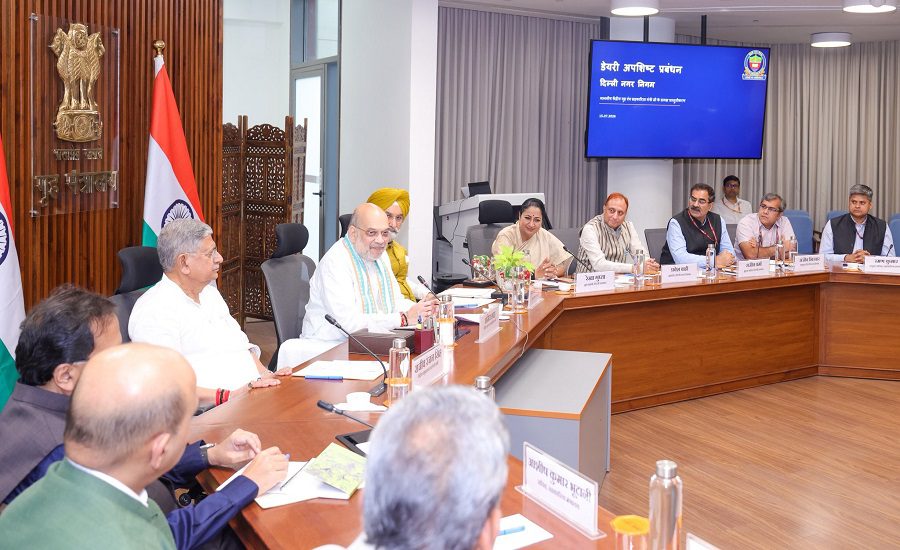
New Delhi: In a major step towards making Delhi cleaner and restoring the Yamuna River, the Delhi Municipal Corporation (MCD) and the National Dairy Development Board (NDDB) have signed a Memorandum of Understanding (MoU) to establish Compressed Bio Gas (CBG) projects in the national capital.
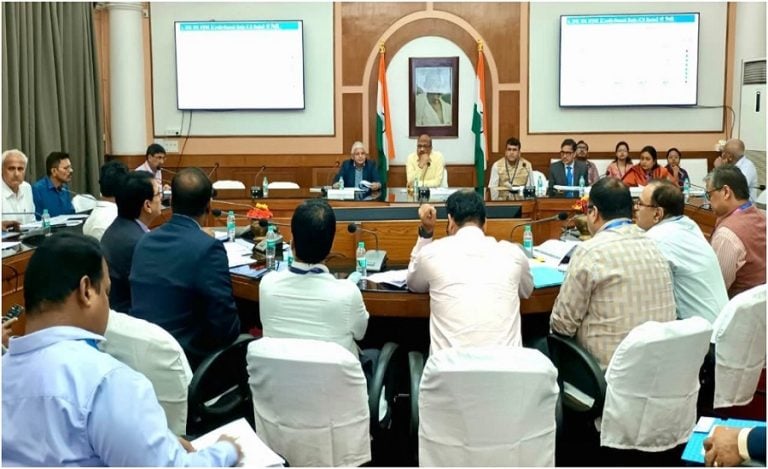
The agreement was signed in the presence of Union Home and Cooperation Minister Amit Shah, marking an important move towards promoting clean energy, scientific waste management, and environmental conservation.
Amit Shah said the initiative will play a significant role in fulfilling Prime Minister Narendra Modi’s vision of Yamuna purification and can become a model for other metropolitan cities across India.
Amit Shah Sets Goal of Zero Dirty Water Flow into Yamuna by December 2028
Addressing the event, Union Home Minister Amit Shah reiterated the government’s commitment to ensuring that not even a single drop of untreated wastewater enters the Yamuna River by December 2028.
He said efforts are underway to stop the flow of:
- Untreated sewage water.
- Industrial waste.
- Cattle waste.
into the river.
The minister informed that work has already started on around 80 treatment plants in Delhi for the purification of sewage and industrial wastewater.
Read also: Delhi CM Rekha Gupta Launches AI-Powered Dust Portal 2.0 to Monitor Construction Pollution
Cow Dung from Delhi’s Dairy Sector to Be Converted into Clean Energy
The CBG project will focus on the scientific management of cow dung generated from dairies and cattle owners in Delhi.
According to estimates, around 1,500 metric tonnes of cow dung is generated daily from gaushalas and livestock owners in the city. A significant portion of this waste was earlier disposed of improperly, contributing to pollution in the Yamuna.
Under the new initiative:
- Cow dung will be scientifically processed.
- It will be converted into Compressed Bio Gas (CBG).
- High-quality organic manure will also be produced.
The project aims to transform waste into a valuable resource while reducing environmental pollution.
CBG Projects to Increase Income of Dairy Farmers and Cattle Owners
Amit Shah said the initiative will provide multiple benefits by improving cleanliness, generating green energy, and supporting organic farming.
The project will also create additional income opportunities for cattle owners.
Under the agreement, livestock owners who supply cow dung will receive ₹1 per kilogram of cow dung, helping increase their earnings and encouraging proper waste collection.
Waste Processing Facilities Planned at Nangli, Ghogha-Goyla and Ghazipur
The Union Minister said cow dung processing activities will be carried out at major waste management facilities located at:
- Nangli
- Ghogha-Goyla
- Ghazipur
He highlighted that scientific disposal of waste generated from around 1.25 lakh cattle in Delhi is essential for achieving the goal of a cleaner Yamuna.
Initiative to Promote Green Energy and Organic Farming
The CBG project is expected to support Delhi’s transition towards sustainable energy solutions.
The initiative will help in:
- Producing clean fuel through renewable sources.
- Reducing dependence on conventional energy sources.
- Promoting organic farming through bio-manure production.
- Improving waste management systems.
Experts believe that this model can help cities address waste challenges while creating economic opportunities.
Delhi Government and Officials Attend MoU Signing Ceremony
The MoU signing ceremony was attended by several senior leaders and officials, including:
- Delhi Chief Minister Rekha Gupta
- Union Minister for Fisheries, Animal Husbandry and Dairying and Panchayati Raj Rajiv Ranjan Singh
- Delhi Lieutenant Governor Taranjit Singh Sandhu
- Delhi Mayor Pravesh Wahi
The presence of senior representatives highlighted the importance of the project for Delhi’s environmental and urban development goals.
Delhi’s CBG Model Could Become Blueprint for Other Cities
Amit Shah said the initiative will not only benefit Delhi but also serve as a successful model for other major cities across the country.
He added that in the future, similar cow dung processing systems can be expanded to rural areas, benefiting millions of livestock owners while promoting cleanliness and renewable energy generation.
The project represents a combined effort towards Yamuna rejuvenation, waste management, clean energy production, and sustainable development.
Read also: Delhi CM Rekha Gupta Launches ‘Mission Green Delhi’ to Plant 70 Lakh Trees Across Capital