Kolkata: The (NICDC) has stepped up engagement with the West Bengal government and industrial stakeholders to advance the proposed Durgapur Industrial Node under the East Coast Industrial Corridor (ECIC).
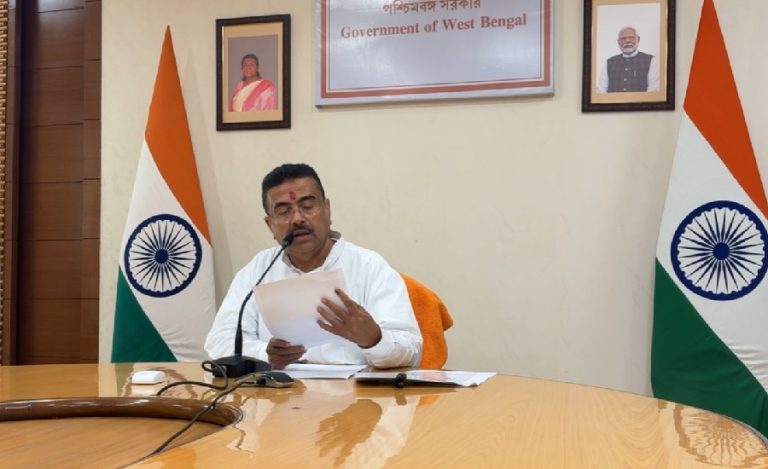
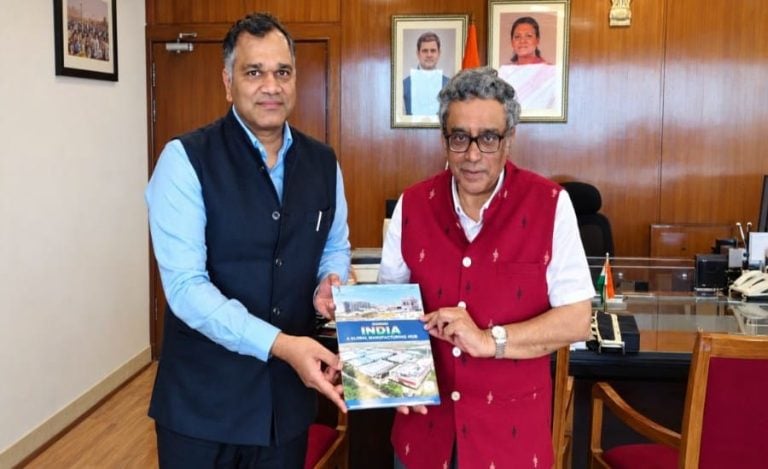
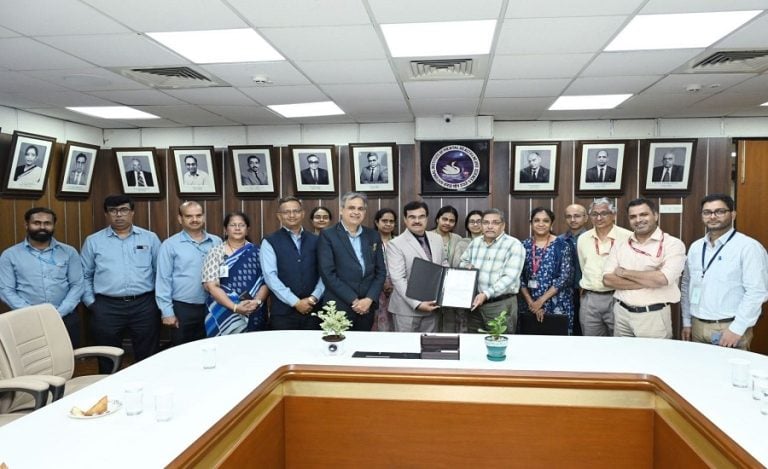
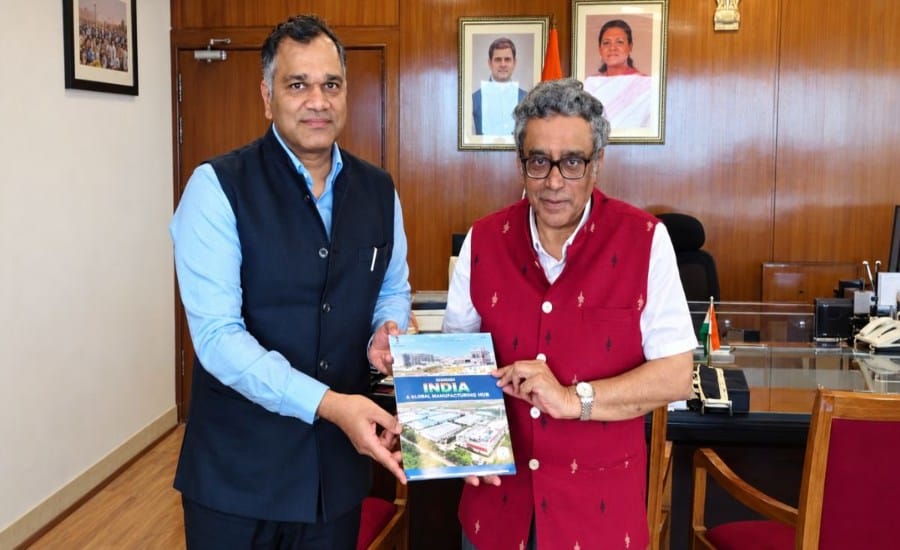
Rajat Kumar Saini, CEO and Managing Director of NICDC, recently met the state’s Finance Minister and Chief Secretary to discuss the proposed project and the Centre’s Bharat Audyogik Vikas Yojana (BHAVYA). He also interacted with manufacturers at Panagarh Industrial Park to understand their infrastructure, logistics and business requirements.
The discussions aim to strengthen coordination between the Centre, state government and industry as West Bengal explores opportunities to expand manufacturing and attract fresh investment. However, the project’s investment size, land allocation and implementation timeline have not yet been announced.
What Is the Proposed Durgapur Industrial Node?
The Durgapur Industrial Node was announced in the Union Budget 2026–27 as part of the proposed East Coast Industrial Corridor. The initiative aims to develop an integrated industrial corridor with a well-connected node at Durgapur.
The Union Budget also allocated ₹3,000 crore to the National Industrial Corridor Development and Implementation Trust (NICDIT), which finances industrial corridor projects.
The proposed node could build on Durgapur’s established industrial base, strategic location and transport connectivity to attract businesses and strengthen manufacturing value chains.
Durgapur is already an important industrial centre in West Bengal, particularly for steel and coal. The city also has five industrial estates managed by the West Bengal Industrial Development Corporation.
Developing an integrated industrial node could help businesses access industrial infrastructure and logistics networks more efficiently. It could also encourage supporting industries, suppliers and service providers to establish operations around the manufacturing ecosystem.
The East Coast Industrial Corridor is planned to cover West Bengal, Odisha, Andhra Pradesh and Tamil Nadu, connecting industrial development opportunities across eastern and southern India.
Read also: AAI Leadership Update: IAS Puneet Kansal Gets Additional Charge as Chairman for 3 Months
NICDC Meets State Officials and Industry Representatives
During his West Bengal visit, Saini briefed the state’s Finance Minister on the National Industrial Corridor Development Programme (NICDP) and NICDC’s role in developing investment-ready industrial regions across the country.
He also explained the BHAVYA scheme and its partnership framework for state governments.
In a separate meeting, Saini discussed the proposed Durgapur node and BHAVYA with the state’s Chief Secretary. The discussions highlighted the need for coordination between NICDC and the West Bengal government to move industrial development plans forward.
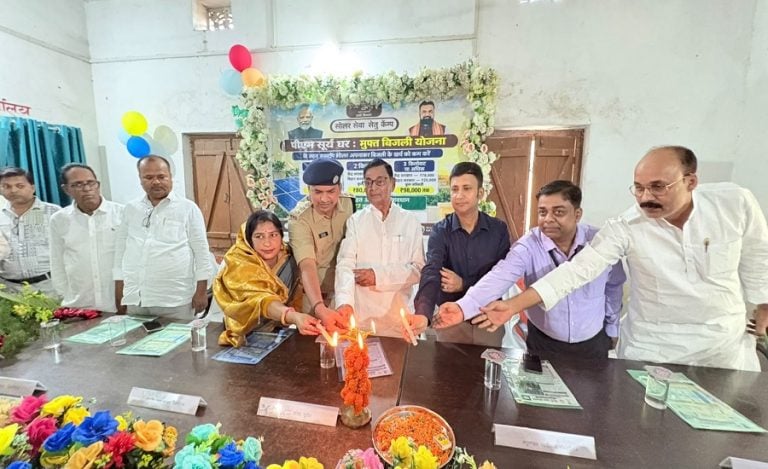
At Panagarh Industrial Park, Saini met industry representatives to understand their requirements and challenges. Discussions covered infrastructure, utilities, logistics, local support systems and measures to improve ease of doing business.
These consultations can help planners identify the facilities businesses need before expanding operations or investing in new manufacturing units.
BHAVYA Scheme Targets 100 Industrial Parks
The Durgapur discussions also connect with the Centre’s broader plan to expand industrial infrastructure through the Bharat Audyogik Vikas Yojana.
The Union Cabinet approved BHAVYA with an outlay of ₹33,660 crore to develop 100 plug-and-play industrial parks between 2026–27 and 2031–32. NICDC serves as the implementing agency.
The scheme aims to provide industrial plots with essential infrastructure, helping businesses establish operations without having to develop every basic facility independently.
Eligible industrial parks covering 100 to 1,000 acres can receive financial assistance of up to ₹1 crore per acre for core, value-added and social infrastructure. They may also receive support covering up to 25% of the project cost for external infrastructure.
The scheme follows a challenge-based selection process, under which proposals compete for approval.
Its partnership framework requires states to provide land, while the Centre supports infrastructure development through NICDC. The proposed partnership structure follows a 51:49 model.
Commerce and Industry Minister Piyush Goyal launched the BHAVYA portal on June 9, 2026. According to the published scheme schedule, applications received by July 31 were to be considered for the first phase of 20 parks, with another 30 planned for consideration based on proposals received by September 30.
West Bengal’s Existing Industrial Corridor Connections
West Bengal already participates in the Amritsar-Kolkata Industrial Corridor (AKIC), which is aligned with the Eastern Dedicated Freight Corridor. The Raghunathpur Industrial Park is among the projects associated with AKIC in the state.
At the national level, the Centre approved 12 industrial corridor projects under NICDP in August 2024, with a combined cost of ₹28,602 crore.
NICDC has also reported that four completed industrial cities, including Dholera in Gujarat and Shendra-Bidkin in Maharashtra, have attracted investments exceeding ₹2.02 lakh crore.
The proposed Durgapur node could add another industrial development centre to this wider network. Its location in an established manufacturing belt may offer opportunities to connect local industries with larger supply chains and freight networks.
Potential Impact on Jobs, Manufacturing and Logistics
Durgapur’s industrial base could provide a foundation for attracting new manufacturing units and supporting businesses. If the proposed node progresses, its development could generate employment during infrastructure construction and later through industrial operations.
Better industrial infrastructure may also help existing manufacturers address utility and logistics constraints, while creating opportunities for suppliers, transport operators and other local businesses.
Connectivity remains an important factor. The Eastern Dedicated Freight Corridor is operational between Ludhiana and Sonnagar, while the approximately 538-km Sonnagar-Dankuni section towards Kolkata was reported to be under construction in earlier updates.
Improved freight connectivity could support the movement of industrial goods, although the proposed Durgapur node’s eventual benefits will depend on its infrastructure design and transport links.
NICDC’s engagement with the state government and manufacturers marks a step towards examining the project’s requirements. The next stage will depend on decisions concerning land, infrastructure, financing and implementation.
For West Bengal, the key opportunity lies in translating industrial planning into operational facilities, new businesses and sustainable employment. The proposed Durgapur Industrial Node could contribute to that goal, but its actual impact will become clearer as the project advances.
Read also: UDAN Scheme: AAI, MoCA Sign MoUs With 21 States and UTs to Expand Regional Air Connectivity