New Delhi: In a significant move aimed at conserving foreign exchange and containing the widening current account deficit, the Centre has increased the effective import duty on gold and silver to 15 per cent, up sharply from 6 per cent. Economists believe the decision could lead to a fresh surge in domestic bullion prices while helping India manage mounting economic pressures arising from the escalating crisis in West Asia.
The duty hike comes at a time when India is grappling with rising crude oil prices, a weakening rupee, and heightened geopolitical uncertainty, all of which are putting pressure on the country’s import bill and foreign exchange reserves.
Finance Ministry Raises Customs Duty on Gold and Silver
The Ministry of Finance on Wednesday increased the Social Welfare Surcharge (SWS) and Agriculture Infrastructure and Development Cess (AIDC), taking the total customs duty on imports of gold and silver to 15 per cent with immediate effect from May 13, 2026.
The decision effectively reverses the reduction announced in the Union Budget 2024–25, when customs duty on gold had been cut to 6 per cent to support the gems and jewellery sector and discourage smuggling.
Read also: Viksit Bharat G-RAM G Act 2026: 5 Big Changes Every Rural Worker Should Know
Why the Government Increased Gold Import Duty
The government’s move is widely seen as an effort to discourage non-essential imports and conserve precious foreign exchange during a period of global economic instability.
India imports large quantities of gold every year, making it one of the country’s largest non-oil import categories. With the Indian rupee touching a record low of ₹95.63 against the US dollar, and crude oil prices rising due to tensions in West Asia, policymakers are seeking ways to reduce pressure on external accounts.
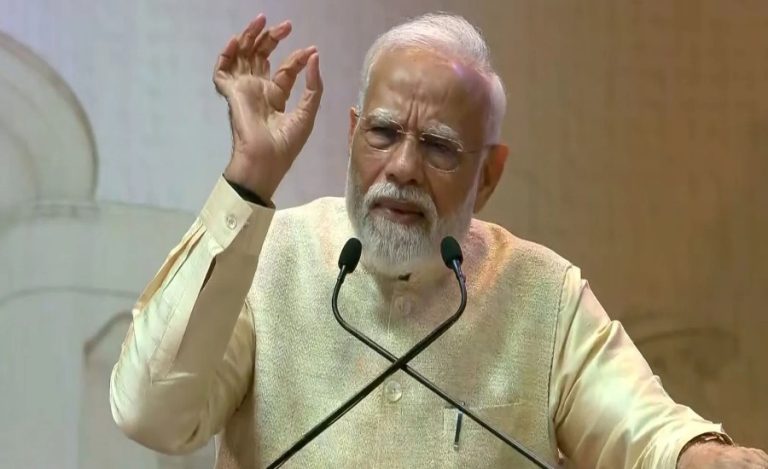
Prime Minister Narendra Modi had recently appealed to citizens to postpone gold purchases and reduce fuel consumption as part of broader efforts to conserve foreign exchange reserves.
Gold Imports Hit Record USD 71.98 Billion in FY26
India’s gold imports rose more than 24 per cent in FY 2025–26 to a record USD 71.98 billion, despite import volumes declining to 721.03 tonnes.
The increase was driven primarily by a sharp jump in international prices, with gold prices rising from USD 76,617.48 per kilogram in FY25 to USD 99,825.38 per kilogram in FY26.
India remains the world’s second-largest gold consumer after China, with strong demand from households, investors, and the jewellery industry.
Domestic Gold Prices Already Near Record Highs
The duty hike is expected to make gold even more expensive in the domestic market.
In the national capital, gold prices recently rose by ₹1,500 to ₹1,56,800 per 10 grams, while silver prices surged by ₹12,000 to ₹2,77,000 per kilogram.
Analysts expect higher duties and global uncertainty to keep prices elevated, potentially affecting jewellery purchases ahead of the festive and wedding season.
Impact on Consumers and Jewellery Industry
Higher gold prices could lead consumers to delay purchases, opt for lighter jewellery, or shift to alternatives such as digital gold and gold ETFs.
The gems and jewellery industry may face a slowdown in demand, particularly in price-sensitive segments, although the government appears to have prioritized macroeconomic stability over short-term consumption.
Duty Hike May Support Rupee and Ease Forex Pressure
Economists say the measure could help reduce gold imports in the short term, thereby lowering outflows of foreign exchange and supporting the rupee.
However, if global gold prices remain elevated and domestic demand stays strong, imports may continue despite the higher duty.
The move is similar to steps taken in 2022 during the Russia-Ukraine War, when India also increased gold import duties to shield the economy from external shocks.
Government Focused on Economic Stability
The increase in gold import duty reflects the government’s broader strategy to protect India’s macroeconomic stability amid rising geopolitical risks and global uncertainty.
By discouraging discretionary imports and conserving foreign exchange, policymakers aim to strengthen the rupee, contain inflationary pressures, and maintain economic resilience.