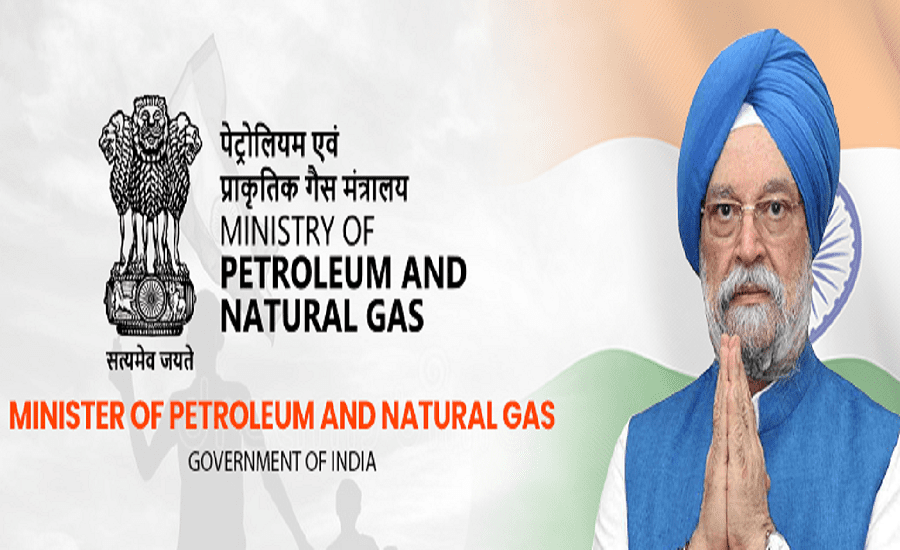
The Ministry of Petroleum and Natural Gas has issued a comprehensive statement in response to public concerns regarding the use of 20% ethanol blended petrol (E20), especially its potential impact on vehicle mileage and engine life. The clarification, released on August 11, addresses both technical and economic issues surrounding the fuel, reaffirming its role in India’s transition to cleaner energy.
Ethanol: A Key Component of India’s Green Future
According to the Ministry, biofuels and natural gas are crucial transition fuels for India. Their use aligns with the country’s Nationally Determined Contribution (NDC) commitments and its broader goal of achieving Net Zero emissions by 2070. A NITI Aayog study has found that ethanol derived from sugarcane and maize results in greenhouse gas (GHG) emissions that are 65% and 50% lower, respectively, than those from conventional petrol.
The Ethanol Blending Programme (EBP) has also helped reduce India’s dependence on crude oil imports. Between 2014-15 and July 2025, ethanol blending by public sector oil marketing companies has saved over Rs. 1,44,087 crore in foreign exchange and substituted nearly 245 lakh metric tonnes of crude oil. This effort has also cut carbon dioxide emissions by an estimated 736 lakh metric tonnes—equivalent to planting 30 crore trees.
Strengthening the Rural Economy
Beyond environmental gains, ethanol blending has provided significant economic benefits for rural India. The programme has helped eliminate sugarcane payment arrears and improved the profitability of maize cultivation. The increased income for farmers has played a crucial role in reducing farmer distress, particularly in regions like Vidarbha that once witnessed high rates of farmer suicides.
For the current year alone, the government expects farmer payments to reach Rs. 40,000 crore, with foreign exchange savings projected at Rs. 43,000 crore.
Addressing Mileage and Vehicle Performance Concerns
Responding to concerns over fuel efficiency and vehicle performance, the Ministry clarified that these issues were anticipated as early as 2020. An Inter-Ministerial Committee (IMC) under NITI Aayog, supported by research from Indian Oil Corporation Limited (IOCL), the Automotive Research Association of India (ARAI), and the Society of Indian Automobile Manufacturers (SIAM), found that vehicles using E20 experience improved acceleration, smoother ride quality, and up to 30% reduction in carbon emissions compared to E10 fuel.
Ethanol’s high octane number (approximately 108.5, compared to petrol’s 84.4) enhances engine performance, especially in high-compression engines. Additionally, ethanol’s higher heat of vaporization cools the air-fuel mixture, improving engine efficiency.
Evolution of Petrol Quality in India
India’s regular petrol now has a Research Octane Number (RON) of 91, upgraded to meet BS-VI emission standards. The introduction of E20 has further enhanced RON to 95, improving anti-knock properties and vehicle performance.
Claims of a drastic drop in mileage due to E20 are unfounded, the Ministry stated. Fuel efficiency depends on multiple factors, including driving habits, maintenance, tyre condition, and air conditioning load. Moreover, many vehicles in India have been E20-compatible since as early as 2009, eliminating concerns for newer models.
Global Comparisons and Safety Standards
The Ministry pointed to Brazil’s successful use of E27 fuel for years without issues. Global automakers like Toyota, Honda, and Hyundai manufacture vehicles for both the Brazilian and Indian markets. The Bureau of Indian Standards (BIS) and Automotive Industry Standards (AIS) provide comprehensive guidelines for E20 compatibility, covering drivability, metal and plastic compatibility, and startability.
In older vehicles, certain rubber components and gaskets may require earlier replacement when using E20. However, the Ministry noted that such replacements are inexpensive, occur rarely, and can be managed during routine servicing.
Cost Considerations and Ethanol Pricing
Some citizens have raised concerns that E20 should be cheaper than regular petrol, referencing a NITI Aayog report from 2020-21. At the time, ethanol was indeed cheaper. However, prices have since risen. The current average procurement cost of ethanol for the 2024-25 ethanol supply year, as of July 31, stands at Rs. 71.32 per litre (including transport and GST).
Prices of C-heavy molasses-based ethanol have increased from Rs. 46.66 (2021-22) to Rs. 57.97 (2024-25), while maize-based ethanol has risen from Rs. 52.92 to Rs. 71.86. Despite these increases, the blending programme continues due to its long-term benefits in energy security, farmer welfare, and environmental sustainability.
Clarification on Vehicle Insurance and E20
Rumours that E20 fuel usage could invalidate vehicle insurance have also been firmly rejected. The Ministry stated that these concerns are entirely baseless and stem from a misinterpretation of a social media post by an insurance company. The use of E20 fuel does not impact insurance coverage in any way.
Support from Automobile Manufacturers
Automobile manufacturers remain committed to supporting vehicle owners during the transition. Those who believe their vehicles may need tuning or minor part replacements can approach authorized service centres, which are equipped to handle such requests efficiently.
No Immediate Plans to Exceed E20
Concerns that the government will rapidly move beyond E20 were also addressed. The current roadmap commits to maintaining E20 blending up to October 31, 2026. Any decision to move beyond this level will be based on detailed studies, stakeholder consultations, and the final recommendations of the Inter-Ministerial Committee. No such decision has been taken yet.
A Balanced, Sustainable Transition
In conclusion, the Ministry reaffirmed the government’s commitment to a sustainable and non-disruptive transition to cleaner fuels. The Ethanol Blending Programme represents a critical step in securing energy independence, reducing pollution, and supporting India’s farmers—all while ensuring minimal impact on consumers.