New Delhi: India Free Trade Agreements are expected to enter a new phase of growth, with Commerce and Industry Minister Piyush Goyal announcing that nine recently signed Free Trade Agreements (FTAs) are likely to become operational within the next 10 months.
The government is also working on several additional trade deals that could further strengthen India’s position in global commerce and manufacturing.
Key Highlights of India Free Trade Agreements
- India expects 9 FTAs signed over the last three years to become operational within 10 months.
- At least 2-3 major FTAs may come into force within the next six months.
- The recently implemented India-Oman CEPA became effective on June 1, 2026.
- The government is aiming to finalize 3-4 additional significant trade agreements over the next year.
- Existing FTAs cover 38 developed economies that complement India’s economic growth strategy.
Read also: India-Oman CEPA: Nearly All Indian Goods to Enter Oman Duty-Free from June
India Free Trade Agreements: What Piyush Goyal Said
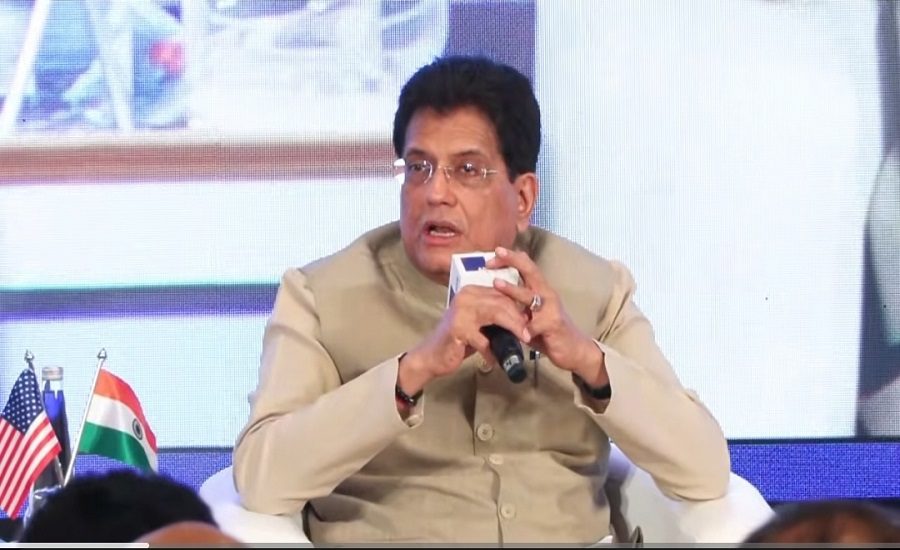
Speaking at the Citi 2026 India Conference in Mumbai, Commerce Minister Piyush Goyal said India is moving aggressively to deepen its integration with global markets.
According to Goyal, the nine trade agreements signed in recent years are expected to become operational within the next 10 months. He emphasized that these agreements involve developed economies that do not directly compete with India but instead support India’s growth ambitions.
The minister also stated that two to three “very substantive” FTAs could become effective in the next six months following the implementation of the India-Oman Comprehensive Economic Partnership Agreement (CEPA).
What is the Importance of India Free Trade Agreements
Free Trade Agreements reduce or eliminate tariffs and create easier access to international markets.
Potential benefits include:
- Higher exports for Indian businesses.
- Better market access for manufacturers.
- Increased foreign direct investment (FDI).
- Stronger supply chain integration.
- New opportunities for MSMEs and startups.
- Greater employment generation in export-oriented sectors.
Industries expected to benefit include:
- Textiles
- Leather products
- Automobile components
- Marine products
- Agriculture
- Plastics and chemicals
- Engineering goods
- Technology services
India-Oman CEPA: The First Major Step
A key milestone in India’s trade strategy is the implementation of the India-Oman CEPA, which officially came into force on June 1, 2026.
The agreement provides Indian exporters with preferential access to the Omani market and is expected to improve bilateral trade, investment flows, and supply chain cooperation. Oman has also indicated plans to increase supplies of petrochemicals and fertilizers to India under the new framework.
More Trade Deals on the Horizon
India is actively negotiating or advancing discussions with several major economies and trade blocs.
Recent developments include:
- Progress toward implementation of the India-UK trade agreement.
- Continued engagement with European partners following the India-EU trade deal.
- Ongoing discussions with countries such as Chile and other strategic partners.
- Renewed focus on agreements that support critical minerals, manufacturing, and technology sectors.
India’s Manufacturing Ambition
Goyal highlighted that global companies increasingly view India as a reliable manufacturing destination.
Several factors are driving investor confidence:
- Large domestic market.
- Young workforce and demographic advantage.
- Rapid technology adoption.
- Stable policy environment.
- Expanding infrastructure.
- Diversified supply chains beyond traditional manufacturing hubs.
As multinational corporations look for alternative manufacturing bases, India is positioning itself as a trusted and resilient partner in global supply chains.
Read also: India Eyes Faster Access to Eurasian Markets Through Interim Trade Deal Ahead of Full FTA