17 October 2026
ADVERTISEMENT
ADVERTISEMENT

Big Relief for Pharma Industry: India Amends NDCT Rules to Scrap Test Licences, Fast-Track Drug Development

The Indian government has revised the NDCT Rules, 2019 to simplify drug testing approvals, reduce processing time from 90 to 45 days, and introduce online intimations for low-risk research.
India Organ Donation Milestone
Indian Masterminds Stories

New Delhi: The Union Health Ministry has notified landmark NDCT Rules Amendments in a major regulatory reform designed to simplify approval processes, cut timelines and promote ease of doing business in India’s pharmaceutical and clinical research ecosystem. 

These changes are expected to accelerate drug development, reduce regulatory burden and further position India as a global hub for pharmaceutical R&D.

NDCT Rules Amendments: Government Focuses on Faster Approvals & Reduced Compliance

The notified amendments are part of a broader commitment by the Government of India to reduce bureaucratic delays and strengthen the drug development and clinical research landscape. 

Read also: Major Environmental Reform: Government Pushes Faster Clearances with Strong Safeguards to Balance Industrial Growth and Pollution Control

The changes align with the directions of Hon’ble Prime Minister Narendra Modi to build a trust-based regulatory framework while promoting innovation and industry growth.

Key Details of NDCT Rules Amendments 

The core focus of NDCT Rules amendments is to make regulatory procedures more transparent, predictable and easier for stakeholders — especially generic drug manufacturers, research organisations, and pharmaceutical innovators.

Ending Licence Requirement for Non-Commercial Manufacture

Under the earlier regulatory setup, companies needed to obtain a formal test licence from the Central Drugs Standard Control Organization (CDSCO) for manufacturing small quantities of drugs for research and testing. This process often took several weeks, delaying early stages of drug development.

What’s New?

  • The requirement for a test licence for non-commercial manufacture has now been replaced with a “prior intimation” mechanism.
  • Applicants can now submit an online intimation to CDSCO and proceed without waiting for a formal licence — except for a defined category of high-risk drugs such as cytotoxic drugs, narcotics and psychotropic substances, which still require a traditional licence.

This change is projected to save at least 90 days in the drug development cycle, significantly boosting speed and efficiency in early R&D stages.

Shorter Processing Time for Remaining Licenses

For the cases where a test licence is still required, the government has slashed the statutory processing period from 90 days to just 45 days.

This substantial reduction is expected to ease regulatory load for both the industry and CDSCO, which processes around 30,000-35,000 test licence applications annually.

Easier Bioavailability & Bioequivalence Studies

Bioavailability (BA) and Bioequivalence (BE) studies are critical steps in clinical development, especially for generic drugs. These studies show whether a new product behaves like an existing one in the body.

Under the revised rules:

  • Prior permission is no longer needed for specified low-risk BA/BE studies.
  • Instead, companies can start these studies based on a simple online intimation to CDSCO.

CDSCO handles around 4,000-4,500 BA/BE applications per year, and this change is expected to cut procedural delays significantly.

Digital Integration for Smooth Implementation

To ensure seamless compliance and transparency:

  • Dedicated online modules will be launched on the National Single Window System (NSWS) and the SUGAM portal.
  • These platforms will allow industry players to submit intimations and track approvals in a user-friendly and efficient manner.

What are the Benefits of NDCT Rules Amendments 

Officials project that the reforms will:

  • Substantially reduce regulatory burden on pharmaceutical companies.
  • Facilitate quicker initiation of clinical studies, BA/BE tests, and drug analysis.
  • Enable more efficient use of CDSCO’s manpower for oversight and safety monitoring.

By reducing compliance hurdles and timelines, this initiative is also expected to:

  • Attract domestic and foreign investment in clinical research.
  • Support quicker market entry for new and generic drugs.
  • Strengthen India’s position as a preferred global destination for pharmaceutical R&D.
Read also: India’s Semiconductor Design Strategy Explained: Chips, Capital, Talent and the Road to Self-Reliance


Indian Masterminds Stories
Join our WhatsApp Channel
ADVERTISEMENT
ADVERTISEMENT
Related Stories
ADVERTISEMENT
ADVERTISEMENT
NEWS
BEL TechConnect Initiative
BEL TechConnect Engages MNIT Jaipur, NITK Surathkal to Inspire Young Engineers in Defence Technology
pfc
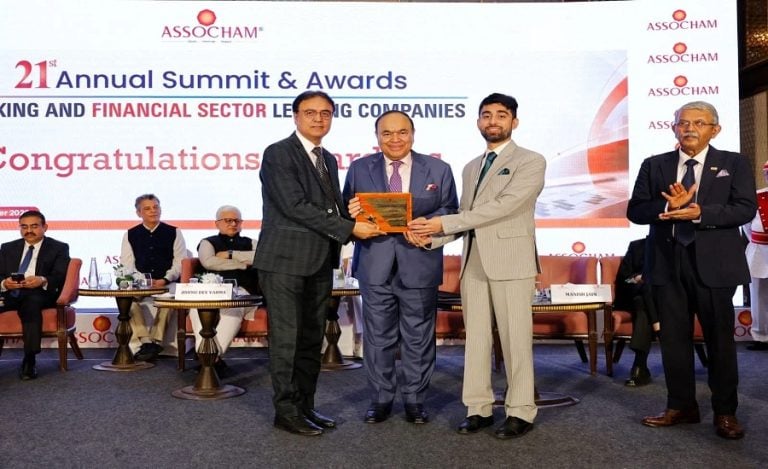
PFC Wins Gold Award at ASSOCHAM 21st Annual Summit for Overall Performance in Infrastructure Finance 
NMDC Vigilance Portal
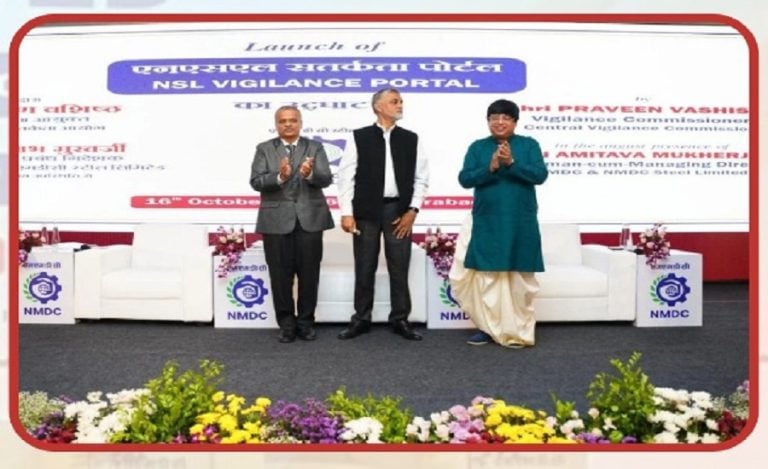
NMDC Launches NSL Vigilance Portal, Quarter Management System; Releases Vigilance Manual 2026
DFCCIL logo
DFCCIL MD Selection: PESB Recommends No Candidate, Ministry to Decide Next Steps 
RailTel SD-WAN Order
RailTel Bags ₹18.99 Crore Order from Health Insurance TPA of India for IT and Cybersecurity Solutions 
RIMS Ranchi New Departments
Jharkhand’s RIMS Plans 10 New Departments at ₹466 Crore, Proposes 256 PG and 150 Super-Speciality Seats
India’s Space Economy
India’s Space Economy to Reach USD 40–45 Billion in 7–8 Years as Private Investment Rises: Jitendra Singh 
Hemant Soren ₹10 Lakh Medical Aid
Jharkhand CM Hemant Soren Provides ₹10 Lakh Medical Aid to Six-Year-Old for Ear Treatment
ADVERTISEMENT
ADVERTISEMENT
Videos
Dr Saket Badola IFS
Beyond Tigers and Safaris: How Corbett Literature Festival Wants to Change the Conservation Conversation
PK Jena
Why Technology Cannot Replace Human Connection in Governance: P.K. Jena
PK Jena
The IAS Officer Who Put People Before Paperwork: How PK Jena Challenged Corruption and Reformed Governance
ADVERTISEMENT
UPSC Stories
Umar Janj UPSC CAPF
15+ Failures Couldn’t Stop Him: Umar Janj Secures AIR 160 in UPSC CAPF 2025
After multiple SSB setbacks, a CAPF interview miss by 12 marks and more than 15 failures, Umar Janj secured...
Aayush Sharma
Three CDS Attempts, Five AFCAT Qualifications & Medical Setback: How Aayush Sharma Secured CAPF AIR 135
After three unsuccessful SSB attempts, five AFCAT qualifications and a medical setback, Aayush Sharma...
Tushar Chaudhary IRMS
He Left Intel, Built COPAL-19, Spent Months at AIIMS, Ran Half Marathons, and Returned to UPSC—Tushar Chaudhary’s Journey to IRMS
UPSC ESE AIR 4 Tushar Chaudhary left a ₹25 LPA Intel job, built COPAL-19, spent months at AIIMS, ran...
CSR NEWS
NBCC India CSR Award 2026
NBCC India Wins Award for Excellence in CSR at 4th Fortune Leadership Awards 2026
The recognition honours NBCC’s community welfare initiatives and efforts to improve healthcare accessibility...
HURL ALIMCO
HURL Signs MoU with ALIMCO to Support Divyangjans and Senior Citizens in Gorakhpur, Barauni and Sindri
Under its CSR initiative, HURL will support PMD-VK Gorakhpur and facilitate the distribution of need-based...
MDL CSR Support to Divyasha Vayoshri Kendra
MDL Extends ₹3.79 Crore CSR Support to Divyasha Vayoshri Kendra in Mumbai
The initiative will strengthen access to assistive devices, prosthetics and rehabilitation services for...
ADVERTISEMENT
ADVERTISEMENT
ADVERTISEMENT
Latest
BEL TechConnect Initiative
BEL TechConnect Engages MNIT Jaipur, NITK Surathkal to Inspire Young Engineers in Defence Technology
pfc
PFC Wins Gold Award at ASSOCHAM 21st Annual Summit for Overall Performance in Infrastructure Finance 
ADVERTISEMENT
ADVERTISEMENT
ADVERTISEMENT
ADVERTISEMENT
ADVERTISEMENT
ADVERTISEMENT
ADVERTISEMENT
Videos
Dr Saket Badola IFS
PK Jena
PK Jena
ADVERTISEMENT
ADVERTISEMENT