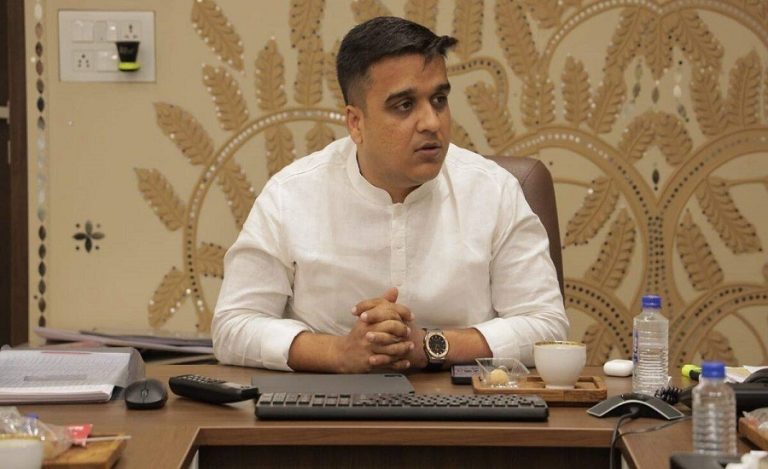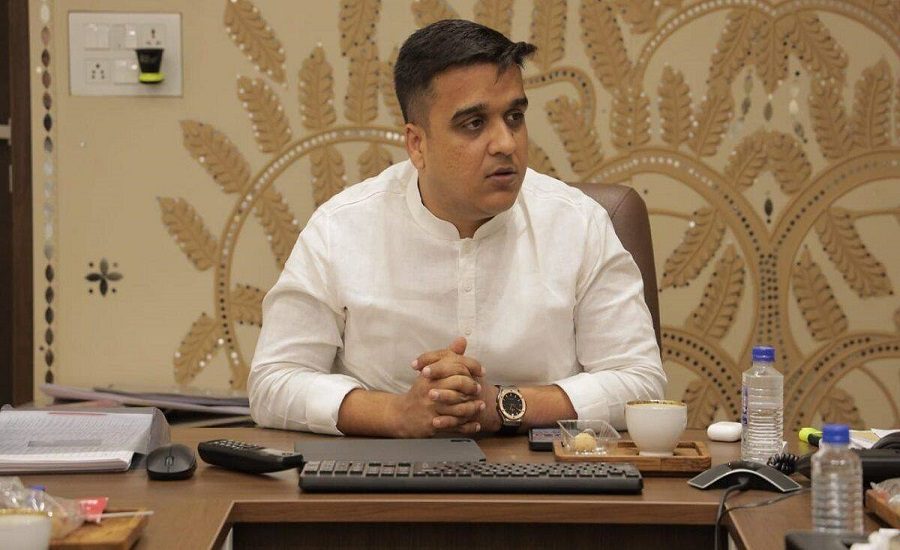
Rajkot: Gujarat Deputy Chief Minister Harsh Sanghavi distributed Indian citizenship certificates to 319 displaced people from Pakistan at a ceremony organised by the Rajkot district administration on October 15. The event took place at Pramukh Swami Auditorium amid the ongoing Navratri celebrations.
The recipients had migrated from Pakistan and settled in Gujarat. Addressing the gathering, Sanghavi described the occasion as a Diwali-like celebration for the families and said that Indian citizenship would enable them to live with greater security and dignity.
He credited the decisions of Prime Minister Narendra Modi and the implementation of the Citizenship (Amendment) Act (CAA) for the development.
Rajkot Accounts for 259 of the 319 Citizenship Recipients
The citizenship certificates were distributed to applicants from four districts in Gujarat’s Saurashtra-Kutch region.
Read Also: Gujarat Grid Code 2026: New Rules to Strengthen Renewable Energy Integration
District-wise distribution of citizenship certificates:
- Rajkot: 259 beneficiaries
- Morbi: 53 beneficiaries
- Kutch: 6 beneficiaries
- Surendranagar: 1 beneficiary
- Total: 319 beneficiaries
The programme forms part of the process of granting Indian citizenship to eligible applicants from neighbouring countries under the applicable legal provisions.
During the ceremony, a young girl expressed her gratitude to Sanghavi by applying a kumkum tilak on his forehead and tying a rakhi on his wrist.
Harsh Sanghavi Speaks About Difficulties Faced by Families in Pakistan
Addressing the beneficiaries, Sanghavi referred to the hardships faced by Hindu families in Pakistan before they migrated to India.
He highlighted the circumstances of women from Pakistan’s Tharparkar region, speaking about restrictions and insecurity they had experienced. He also referred to incidents in which Hindu families in Hyderabad, Pakistan, allegedly changed their names to protect themselves.
Sanghavi said the new citizens would be able to live in India using their real names and with the dignity associated with Indian citizenship.
Referring to the ongoing Navratri festivities, he also made a remark comparing the value of a pass to Rajkot’s Garba celebrations with that of a Pakistani passport.
His remarks formed part of his address to the newly recognised citizens and their families.
Parshottam Rupala Describes CAA as a Humanitarian Law
Rajya Sabha MP Parshottam Rupala also addressed the gathering and described the Citizenship Amendment Act as a humanitarian measure intended to provide a pathway to citizenship for eligible people who had faced difficulties in neighbouring countries.
Rupala said the legislation was not intended to revoke anyone’s citizenship but to provide a dignified place in India to eligible people who had migrated from neighbouring countries.
He congratulated Prime Minister Narendra Modi and Union Home Minister Amit Shah in connection with the initiative.
The CAA provides a pathway to Indian citizenship for eligible Hindus, Sikhs, Buddhists, Jains, Parsis and Christians from Pakistan, Bangladesh and Afghanistan who entered India on or before December 31, 2014, subject to the law’s eligibility requirements.
More Than 1,500 People Granted Citizenship Under CAA in Gujarat
Director of Census Operations Sujal Mayatra said that more than 1,500 people in Gujarat had been granted citizenship under the CAA.
Mayatra referred to the timing of the certificate distribution during Navratri and said the recipients could contribute to the country’s development with their new legal status and identity.
The beneficiaries expressed gratitude to Prime Minister Narendra Modi, Gujarat Chief Minister Bhupendra Patel and Deputy Chief Minister Harsh Sanghavi. They said the grant of citizenship marked the end of a prolonged period of uncertainty.
Rajkot District Collector Om Prakash delivered the vote of thanks.
Senior Officials and Elected Representatives Attend Ceremony
The event was attended by several elected representatives and senior officials from the state and district administrations.
Those present included Mayor Nehal Shukla, MP Kesaridevsinh Zala, District Panchayat President Sanjay Pipaliya, MLAs Udaybhai Kangad, Ramesh Tilala, Bhanuben Babariya, Aniruddh Dave and Mahendra Padaliya, and former MP Rambhai Mokariya.
Senior officials attending the programme included Rajkot City Police Commissioner Brajesh Kumar Jha, Municipal Commissioner Tushar Sumera and District Development Officer Anandu Suresh Govind.
The ceremony marked the formal recognition of 319 displaced people as Indian citizens and added to the number of beneficiaries granted citizenship in Gujarat under the applicable provisions of the law.
Read Also: Gujarat Transfers ₹1,100 Crore to 14,853 Industries, Removes Bank Loan for MSME Incentives