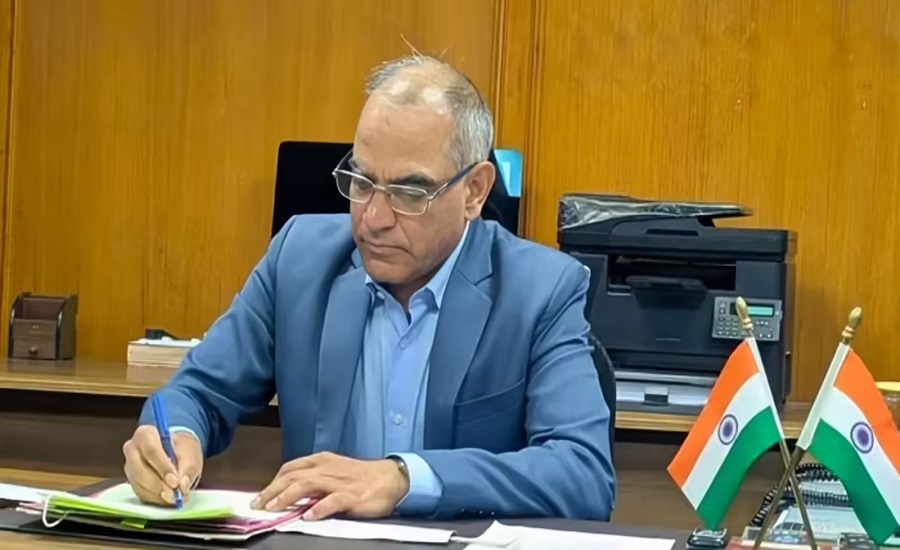
Shimla: Himachal Pradesh Chief Secretary Kamlesh Kumar Pant, an IAS officer of 1993 batch, has called for strengthening institutional mechanisms, community participation, technology integration and inter-agency coordination to build a more resilient disaster management system in the state, which remains highly vulnerable to natural calamities due to its fragile Himalayan ecology and challenging terrain.
Addressing a post-disaster review seminar jointly organised by the National Disaster Management Authority (NDMA) and the Himachal Pradesh State Disaster Management Authority (HPSDMA), the Chief Secretary said the devastating disasters witnessed by the state in recent years underscore the urgent need to enhance preparedness and improve emergency response systems.
Climate-Induced Disasters Demand Stronger Preparedness
Kamlesh Kumar Pant said Himachal Pradesh continues to face serious threats from cloudbursts, flash floods, landslides and other climate-induced disasters. He noted that recent disasters have highlighted both the strengths of the existing disaster management framework and the areas requiring immediate improvement.
He credited the coordinated efforts of government departments, the Armed Forces, National Disaster Response Force (NDRF), State Disaster Response Force (SDRF), police, fire services, district administration, Panchayati Raj Institutions, volunteers and local communities for minimising the loss of life during recent disasters.
Technology Must Drive Future Disaster Management
Emphasising the importance of technology-led disaster management, the Chief Secretary said advanced technological interventions would significantly improve planning, preparedness and emergency response.
He observed that recent disasters exposed several operational challenges, including damaged road connectivity, communication breakdowns, inaccessible terrain, adverse weather conditions, logistical constraints, delays in obtaining real-time information and the need for stronger coordination among responding agencies.
According to him, the seminar provides an important opportunity to analyse these challenges, document best practices and develop recommendations that will make future disaster response faster, more coordinated and technology-driven.
Community Participation Key to Disaster Resilience
Highlighting the importance of community-based disaster management, Pant said local communities are invariably the first responders during emergencies.
He stressed that citizens should be empowered through awareness campaigns, capacity-building programmes and volunteer networks to create disaster-resilient communities capable of responding effectively during crises.
Apda Rakshak Yojana to Strengthen First Response
The Chief Secretary laid special emphasis on the Apda Rakshak Yojana, stating that the initiative aims to develop a trained cadre of community volunteers who can provide immediate assistance until professional rescue teams reach disaster-hit areas.
He said these trained volunteers can play a crucial role in search and rescue operations, first aid, evacuation and supporting vulnerable sections of society during emergencies.
GIS-Based Resource Mapping Recommended
Pant also stressed the need for comprehensive district-level resource mapping covering manpower, machinery, medical facilities, shelters, emergency equipment, transport assets and communication infrastructure.
He said integrating these resources with Geographic Information Systems (GIS) would enable scientific planning and ensure optimum deployment of resources during emergencies.
NDMA Appreciates Himachal’s Disaster Response
The Chief Secretary appreciated the continued technical guidance and support extended by the National Disaster Management Authority in strengthening the state’s disaster management capabilities.
He expressed confidence that the recommendations emerging from the seminar would further improve institutional preparedness, inter-agency coordination and help build a safer and more disaster-resilient Himachal Pradesh.
Krishna S. Vatsa, Member and Head of Department, NDMA, praised the preparedness and response efforts of the Himachal Pradesh Government during the disasters of 2023 and 2025. He particularly appreciated the proactive role of the State Disaster Response Force (SDRF) and stressed the need to further strengthen the state’s capacity for early response and disaster mitigation.
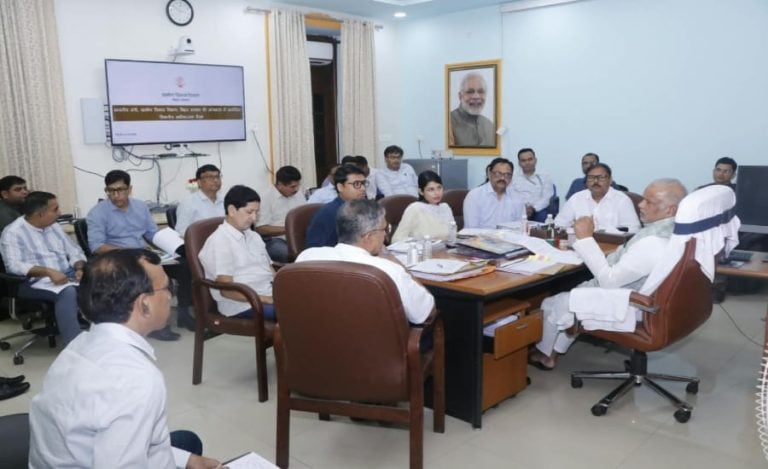
The seminar was attended by senior NDMA officials, including SDMA Member Amit Purohit, representatives of paramilitary forces, senior officers from various government departments and district administrations. Participants shared experiences, best practices and recommendations for strengthening disaster risk reduction, preparedness and emergency response across the state.
Chairman of the State Disaster Management Authority Deepak Rathore, NDMA Member Rita Mishra, and Director-cum-Special Secretary (Revenue & Disaster Management) Pushpendra Rana were also present.
Read also: UP DGP Rajeev Krishna Confers IPS Rank on 28 Promoted Officers at Pipping Ceremony in Lucknow