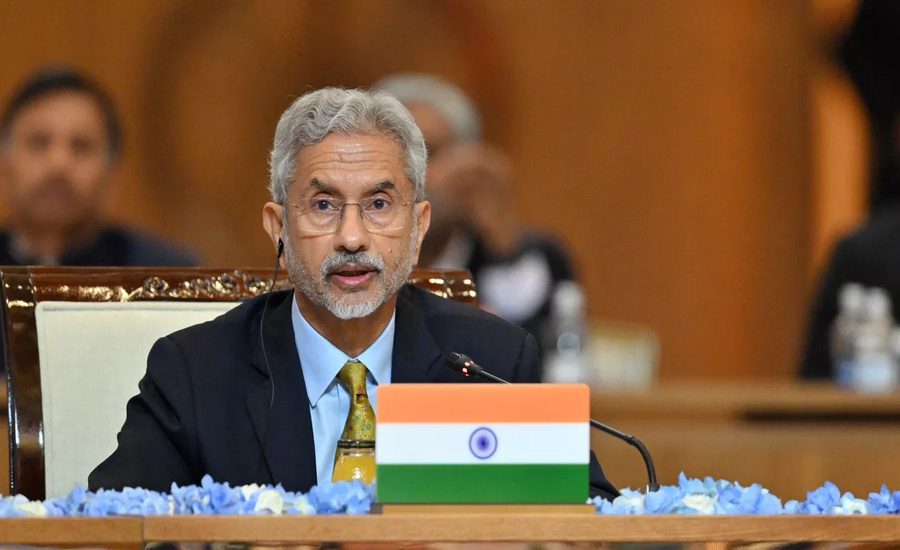
New Delhi: India has officially launched its campaign for a non-permanent United Nations Security Council (UNSC) seat for the 2028–29 term. External Affairs Minister Dr. S. Jaishankar introduced India’s SHANTI vision at the United Nations Headquarters in New York. The campaign highlights India’s commitment to global peace, stronger international cooperation, and a more inclusive world order. The initiative also seeks the support of UN member countries ahead of the upcoming UNSC elections.
Details of SHANTI Vision
India has formally started its campaign to become a non-permanent member of the UN Security Council for the 2028–29 term.
The campaign was launched by External Affairs Minister Dr. S. Jaishankar at a special event held at the United Nations Headquarters in New York. India is seeking the support of UN member states before the election.
What is the SHANTI Vision
India unveiled its diplomatic roadmap under the name SHANTI, which stands for:
- S – Securing
- H – Holistic
- A – Advancement
- N – through Norms
- T – Trust
- I – Integrity
According to the Ministry of External Affairs, the SHANTI vision reflects India’s commitment to peaceful cooperation, international law, mutual trust, and responsible global leadership.
India’s Key Priorities
During the campaign launch, Dr. Jaishankar outlined several important priorities for India if elected to the Security Council. These include:
- Strengthening global peacekeeping operations.
- Giving a stronger voice to the Global South.
- Fighting terrorism and terror financing.
- Improving maritime security.
- Promoting responsible use and governance of Artificial Intelligence (AI).
- Supporting reforms to make the United Nations more representative and effective.
What is the Importance of SHANTI Vision
The UN Security Council is responsible for maintaining international peace and security. A non-permanent member serves a two-year term and participates in major decisions on global conflicts, sanctions, peacekeeping missions, and international security issues.
India’s Record at the United Nations
India has already served eight terms as a non-permanent member of the UN Security Council, most recently during 2021–2022. The country is also one of the world’s largest contributors to UN peacekeeping missions and has consistently called for reforms that better represent developing nations.
Read also: How India Empowered Over 1 Million Women Leaders: Key Highlights from Its UNSC Address