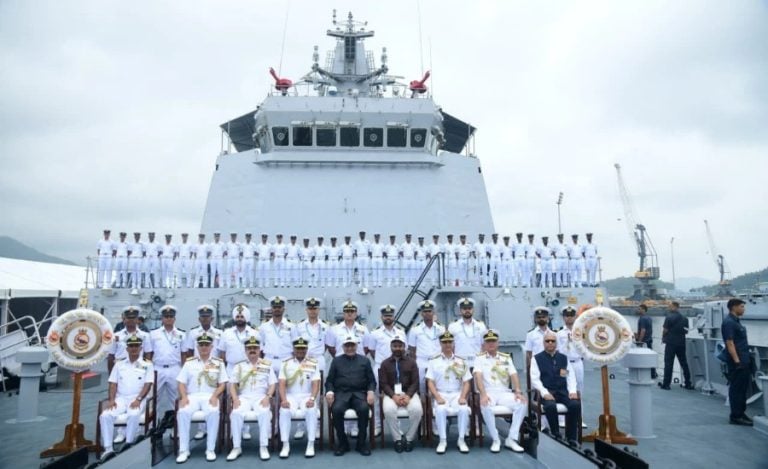
Kolkata: The Indian Navy is set to strengthen its maritime capabilities with the commissioning of three indigenously built frontline platforms—INS Dunagiri, INS Sanshodhak, and INS Agray—in Kolkata on 21 June 2026. The ceremony will be a major milestone in India’s ongoing push for self-reliance in defence manufacturing and will be presided over by the Hon’ble Prime Minister.
The event highlights the growing strength of India’s shipbuilding ecosystem and reinforces the country’s strategic focus on maritime security and blue-water naval operations.
Indigenous Design and Construction by Indian Industry
All three naval platforms have been designed by the Indian Navy’s Warship Design Bureau and constructed at Garden Reach Shipbuilders & Engineers (GRSE), Kolkata.
The ships collectively showcase India’s advancing capabilities in indigenous defence production, with over 75% indigenous content. Their construction involved the participation of more than 200 MSMEs, contributing to employment generation and strengthening the domestic defence supply chain.
Read also: Maritime Security Boost: Indian Navy Plans Major Fleet Expansion With 3 Additional Submarines
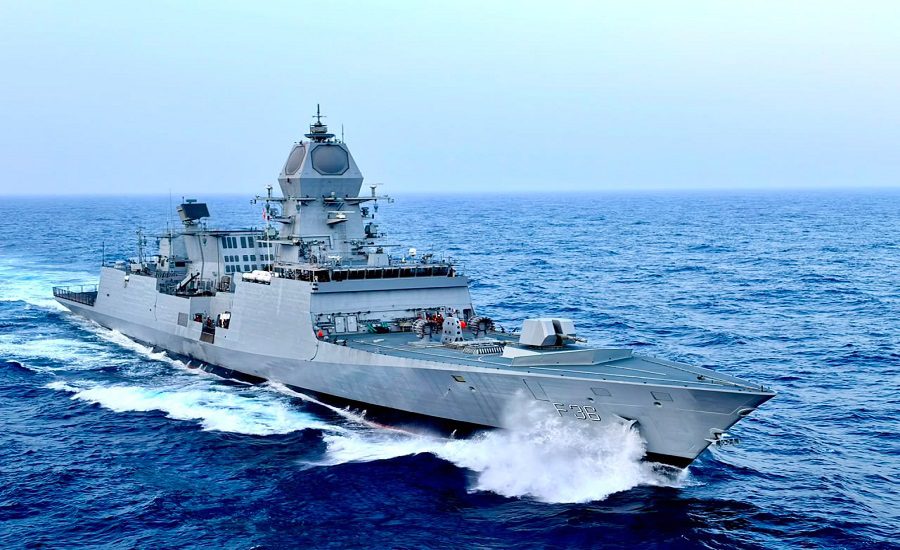
INS Dunagiri: Advanced Project 17A Stealth Frigate
INS Dunagiri, the fifth ship of the Project 17A stealth frigate class, significantly enhances the Navy’s frontline combat strength.
Key capabilities include:
- Advanced stealth design for reduced detectability
- BrahMos surface-to-surface missile system for long-range strike capability
- Medium Range Surface-to-Air Missile (MR-SAM) for air defence
- Modern sensor and combat management systems
The frigate is designed for multi-role operations, including surface warfare, air defence, and maritime dominance in blue-water conditions.
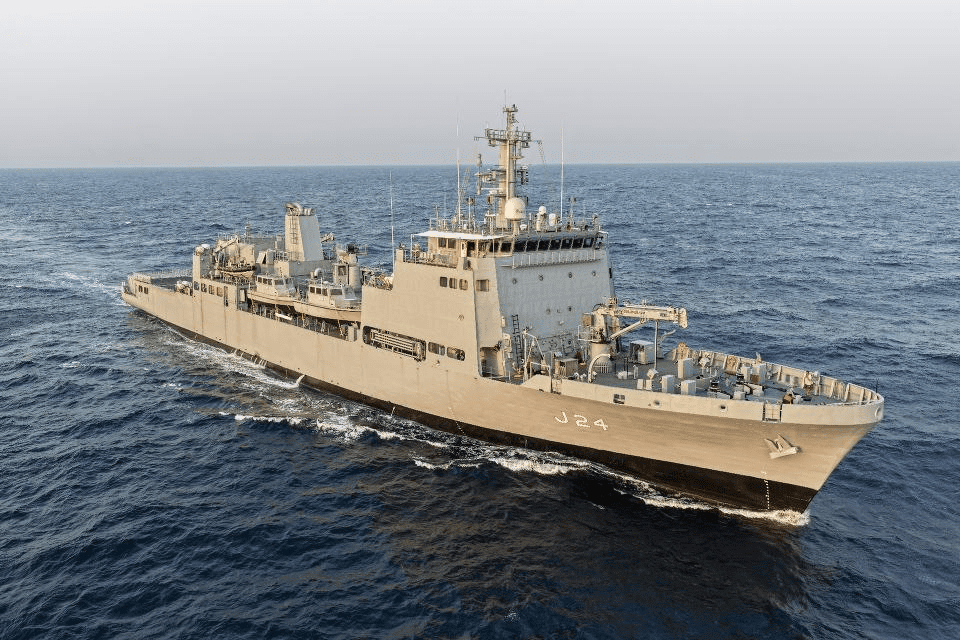
INS Sanshodhak: Hydrographic Survey and Ocean Data Platform
INS Sanshodhak, the fourth Survey Vessel (Large), is built for advanced hydrographic and oceanographic missions.
Its roles include:
- Coastal and deep-water hydrographic surveys
- Collection of oceanographic and geophysical data
- Support for both defence and civilian maritime applications
The vessel is equipped with:
- Advanced survey and mapping systems
- Autonomous Underwater Vehicles (AUVs)
- Remotely Operated Vehicles (ROVs)
This makes it a key asset for improving navigational safety and maritime domain awareness.
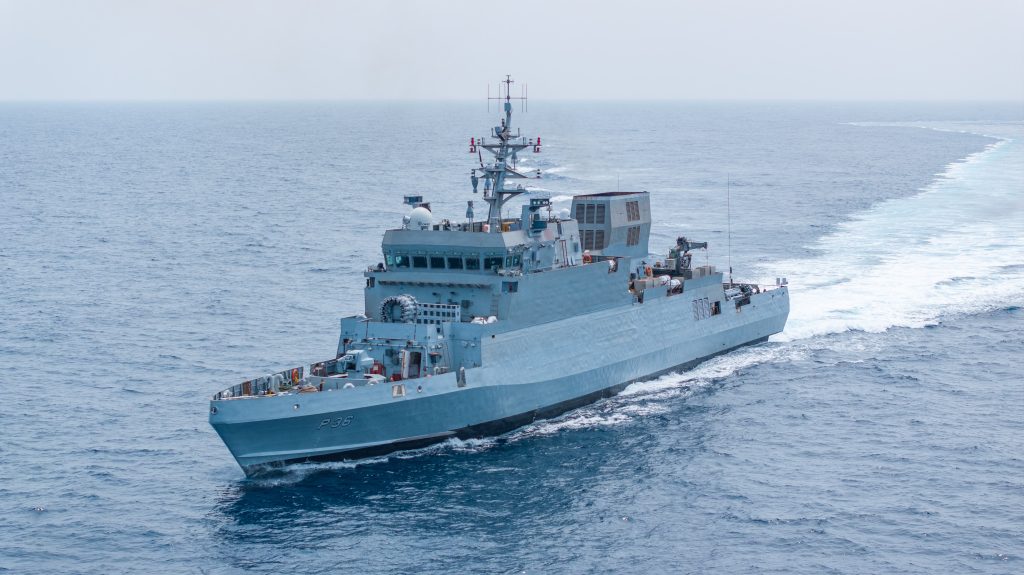
INS Agray: Anti-Submarine Warfare for Shallow Waters
INS Agray, the fourth vessel of the Arnala-class Anti-Submarine Warfare Shallow Water Craft, is designed to operate in littoral and coastal regions.
Its capabilities include:
- Detection and engagement of underwater threats
- Lightweight torpedoes for anti-submarine operations
- Indigenous rocket launchers
- Advanced shallow-water sonar systems
The vessel enhances India’s ability to counter submarine threats in coastal and near-shore environments.
Boost to ‘Aatmanirbhar Bharat’ in Defence Manufacturing
The commissioning of these three platforms underscores the success of India’s Aatmanirbhar Bharat initiative in the defence sector. It reflects strong collaboration between:
- Government of India
- Indian Navy
- Public sector shipyards like GRSE
- Private defence industry partners
- MSMEs across India
This ecosystem has enabled India to progressively reduce dependency on foreign defence imports while building advanced indigenous naval platforms.
Strengthening India’s Maritime Security and Blue-Water Capability
Collectively, INS Dunagiri, INS Sanshodhak, and INS Agray represent a balanced expansion of India’s naval capabilities across:
- Maritime combat operations
- Hydrographic intelligence and ocean mapping
- Anti-submarine warfare in coastal waters
These additions significantly enhance the Indian Navy’s operational readiness, maritime domain awareness, and ability to secure India’s vast coastline and strategic sea lanes.
The upcoming commissioning ceremony in Kolkata marks another significant step in India’s journey toward becoming a global maritime power. With advanced indigenous design, high domestic content, and wide industrial participation, the three vessels symbolize a new phase of self-reliant naval modernization and strategic capability development.
Read also: Indian Navy P-8I Aircraft Upgrade: AAS Radar, Cost, Features and Impact on Indian Ocean Security