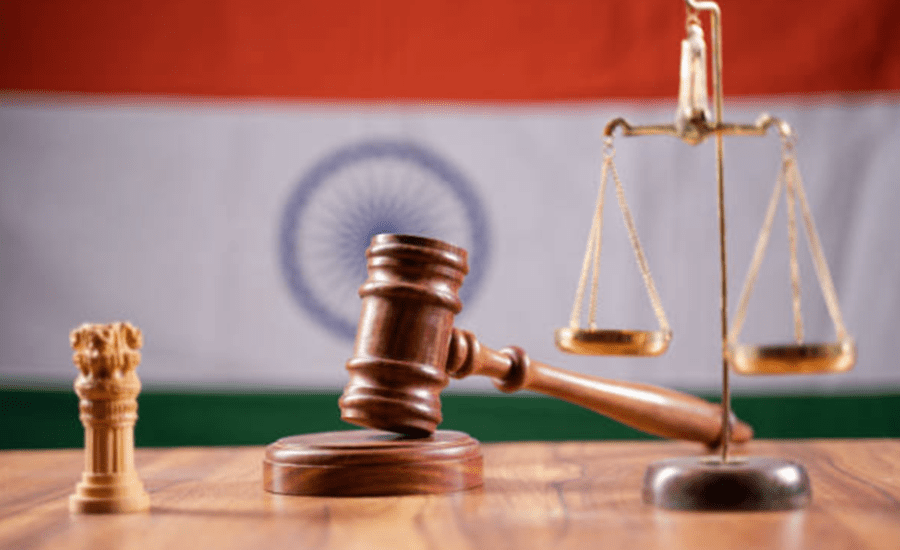
New Delhi: Judicial independence in India has come under renewed discussion after Senior Advocate Sudeep Pasbola warned that the weakening of a free press and growing delays in trials are affecting the justice delivery system.
In an interview, Pasbola argued that a strong judiciary and an independent media are closely connected and that both institutions are essential for protecting democracy and the rule of law in India.
Who is Sudeep Pasbola?
Sudeep Pasbola is one of Mumbai’s leading criminal lawyers.
- Practising criminal law for more than 35 years.
- Appears regularly before the Bombay High Court and subordinate courts.
- Chairperson of the Bar Council of Maharashtra and Goa.
- Has represented clients in several high-profile criminal and political cases.
Main Concern: Judicial Independence is Weakening
According to Pasbola, judicial independence is one of the pillars of democracy. He expressed concern that institutions responsible for accountability are becoming weaker.
Why It Matters
- Independent courts protect citizens from arbitrary government action.
- Judges must be free from external pressure.
- Public confidence in the judiciary depends on transparency and fairness.
Pasbola suggested that any perception of reduced judicial independence can affect trust in the legal system and democratic institutions.
“Once the Press Was Muzzled, Judiciary Lost Its Way”
One of Pasbola’s strongest observations was the connection between the media and the judiciary.
His Argument
- A free press acts as a watchdog over institutions.
- Court proceedings and judicial decisions receive public scrutiny through media reporting.
- When media freedom becomes restricted, accountability may weaken.
- Public awareness about legal issues can decline.
His statement highlights a long-standing democratic principle: independent institutions often reinforce each other.
Why Are Trials Taking Longer?
Pasbola also addressed the growing problem of delays in criminal and civil cases.
Major Reasons Behind Delays
- Large backlog of pending cases.
- Shortage of judges in courts.
- Frequent adjournments.
- Complex procedural requirements.
- Increasing volume of litigation.
Current Situation
India continues to face significant judicial pendency across courts. Legal experts have repeatedly stressed the need for judicial reforms, better infrastructure, and faster case management systems.
Impact of Trials Delays on Common Citizens
Long delays in trials can have serious consequences:
For Victims
- Delayed justice may reduce faith in the legal system.
- Emotional and financial burden increases.
For Accused Persons
- Prolonged litigation affects personal and professional lives.
- Legal costs continue to rise.
For Businesses
- Commercial disputes remain unresolved for years.
- Investment confidence may suffer.
Judicial Independence: What the Legal Profession Must Fix
Pasbola emphasized that the legal profession itself must play a role in improving the system.
Areas Needing Attention
- Better mentoring for young lawyers.
- Greater professional ethics.
- Faster and more efficient case preparation.
- Increased focus on courtroom advocacy skills.
- Encouraging responsibility among members of the Bar.
He believes that strengthening the legal profession is necessary for improving the overall justice delivery system.