New Delhi: The CBSE 3-language mandate has reached the Supreme Court after parents and teachers challenged the decision to make three languages compulsory for Class 9 students from the 2026-27 academic year.
The Court has now asked the Union Government, CBSE, and NCERT to submit detailed responses on the issue.
The case raises major questions about students’ academic pressure, language choice, and implementation readiness across schools in India.
Details of CBSE 3-Language Policy Case
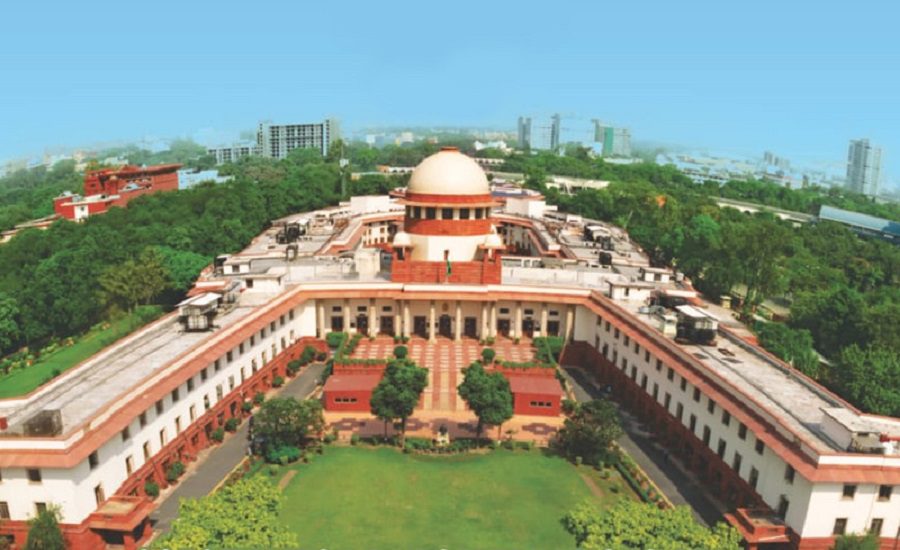
A bench led by Chief Justice of India Surya Kant, along with Justice Joymalya Bagchi and Justice Vipul M. Pancholi, heard the petition challenging the CBSE circular.
Read also: “Too Much Pressure!” Students Move Supreme Court Against CBSE Language Rule Full Details Inside
The Supreme Court issued notices to:
- Union Government
- Central Board of Secondary Education (CBSE)
- National Council of Educational Research and Training (NCERT)
The Court asked these bodies to provide a “comprehensive response” regarding the policy.
According to the petitioners, the new rule makes a third language compulsory for Class 9 students beginning from the 2026-27 academic session.
Why Is the CBSE 3-Language Policy Case Being Challenged?
The petition was filed under Article 32 of the Constitution by:
- Parents
- Teachers
- Education stakeholders from Delhi-NCR regions
The petition argues that:
- Language should remain a matter of student choice.
- A compulsory language rule may violate constitutional principles.
- Schools may not be ready with teachers, books, and infrastructure.
- Students may face additional academic burden.
Senior Advocate Mukul Rohatgi, appearing for the petitioners, reportedly informed the Court that:
- Textbooks for the third language are not fully available.
- Schools may struggle to implement the policy quickly.
What Did the Government Say?
Additional Solicitor General Aishwarya Bhati appeared for the Union Government.
She requested time from the Court to submit a report regarding:
- Logistical preparations
- Infrastructure readiness
- Policy implementation plans
The Supreme Court accepted the request and scheduled the matter for hearing in the second week of July after the summer vacation.
Constitutional Questions Raised
Senior Advocate Kapil Sibal, appearing in a connected matter, said the issue involves important constitutional and federal questions.
Key concerns raised include:
- Can language education be imposed compulsorily?
- Do states have authority over language policy?
- Is the policy consistent with educational freedom?
The petitioners also requested that the Court stop implementation of the CBSE circular from July 1. However, the Court did not pass any interim order at this stage.
What Is the Three-Language Formula?
India’s three-language formula was originally designed to promote multilingual education.
Under the National Education Policy (NEP) 2020:
- Students are encouraged to learn three languages.
- At least two languages should be Indian languages.
- States and schools may decide implementation methods.
However, critics say compulsory implementation without preparation may create problems for schools and students.
Read also: Supreme Court Wetland Definition Case: Why 44 Sites May Lose Protection