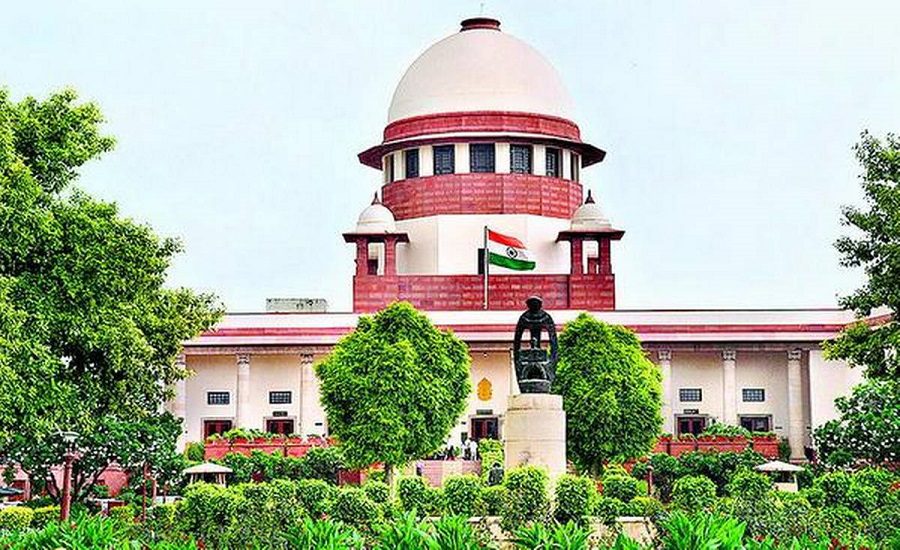
New Delhi: The Supreme Court of India has expressed strong disapproval over the functioning of National Company Law Tribunalbenches across the country, highlighting serious gaps in infrastructure, manpower, and support systems.
A bench comprising JB Pardiwala and KV Viswanathan described the situation as “grim and dismal” after reviewing a report submitted by the NCLT Principal Bench in New Delhi.
Delays in Resolution Plans Raise Concerns
The report revealed that 383 applications related to approval of resolution plans are pending across the country. The delays range from 48 days to as long as 738 days, significantly impacting the timely resolution of insolvency cases.
The court observed that such prolonged delays defeat the very objective of the Insolvency and Bankruptcy Code (IBC), which was designed to ensure time-bound resolution of stressed assets.
Suo Motu Cognisance in Public Interest
Taking serious note of the issue, the apex court initiated suo motu proceedings in the larger public interest.
“The issues need to be addressed on a war footing or else the purpose of enacting the IBC would stand frustrated,” the bench observed.
The matter has been directed to be placed before Surya Kant for assignment to an appropriate bench.
Acute Shortage of Members
The court flagged a significant manpower shortage within the NCLT system. Out of a sanctioned strength of 63 members, only 54 members (28 judicial and 26 technical) are currently in position.
This shortage, the court noted, is severely affecting the tribunal’s ability to function efficiently and deliver timely decisions.
Infrastructure and Staffing Issues
Apart from manpower constraints, the report highlighted serious infrastructural deficiencies. Some benches are reportedly functioning for only half a day due to limitations.
The court also raised concerns over the reliance on contractual staff, pointing out that even salaries and allowances for such personnel have not been paid regularly.
Additionally, the appointment of the NCLT registrar on a contractual basis drew the court’s criticism.
Need for Urgent Reforms
The observations of the Supreme Court underscore the urgent need for systemic reforms in the functioning of NCLTs. Strengthening infrastructure, filling vacancies, and ensuring adequate support staff will be critical to improving efficiency.
Impact on Insolvency Framework
With NCLTs playing a crucial role in India’s insolvency resolution framework, continued delays and inefficiencies could have broader implications for the economy, investor confidence, and ease of doing business.