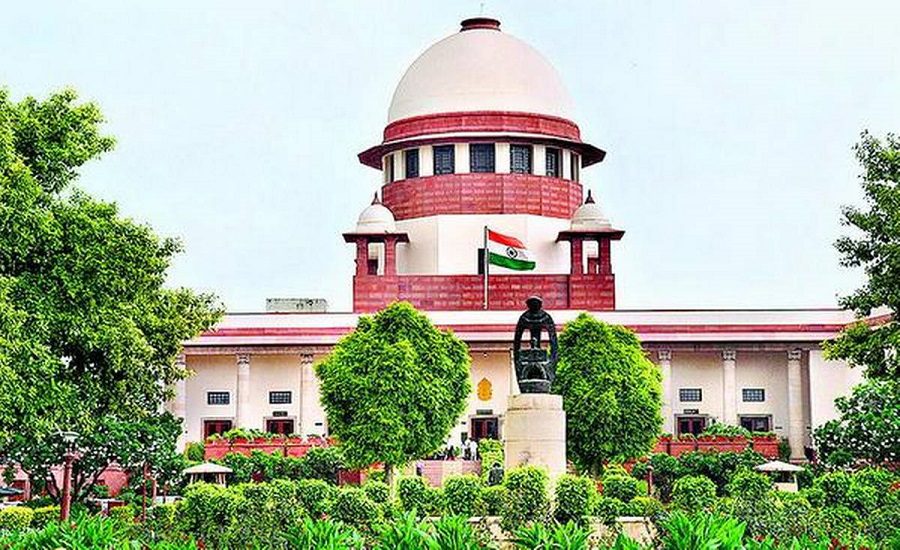
New Delhi: Supreme Court Criminal Contempt Notice to Advocate Dhanya Kumar Jain has become a major legal development after the top court issued a notice to a senior Bar Association leader from Madhya Pradesh. The action, based on a petition by the Bar Council of India (BCI), raises serious questions about professional conduct and judicial accountability in India’s legal system.
Details of SC Contempt Notice to Advocate Dhanya Kumar Jain
The Supreme Court of India has issued a criminal contempt notice to Advocate Dhanya Kumar Jain, President of the Madhya Pradesh High Court Bar Association (Jabalpur), following a petition filed by the Bar Council of India.
The bench, led by Chief Justice of India Surya Kant and Justice Joymalya Bagchi, asked Jain to explain why action should not be taken against him, including possible suspension of his bar license and removal from his post.
Why the Contempt Notice Was Issued Against Advocate Dhanya Kumar Jain
The case originates from a complaint filed by Jain to the Jabalpur Superintendent of Police, where he allegedly made false and serious allegations against top legal authorities.
According to the BCI petition:
- Jain accused BCI Chairman Manan Kumar Mishra and a High-Powered Election Committee headed by former Supreme Court judge Justice Sudhanshu Dhulia.
- He also made controversial remarks questioning the conduct of the judiciary and decisions of the Supreme Court.
The BCI argued that these allegations were baseless and damaging to the dignity of the judiciary, prompting the contempt proceedings.
Remarks Against Judiciary Spark Concern
In his complaint, Jain reportedly:
- Questioned the appointment of Justice Dhulia to head a committee.
- Alleged bias by the Chief Justice of India.
- Criticized judicial decisions, including those related to bar elections and reservations.
He also raised concerns over a past controversy involving a former Delhi High Court judge, calling certain judicial actions a “heinous crime against democracy.”
These statements were seen as serious attacks on the integrity of the judiciary, leading to the contempt notice.
Court’s Observations
During the hearing, the Supreme Court expressed strong displeasure.
Justice Bagchi reportedly questioned the conduct, asking whether such behavior was expected from a leader of advocates.
The court emphasized that members of the legal profession are expected to maintain dignity and restraint, especially when holding leadership positions.