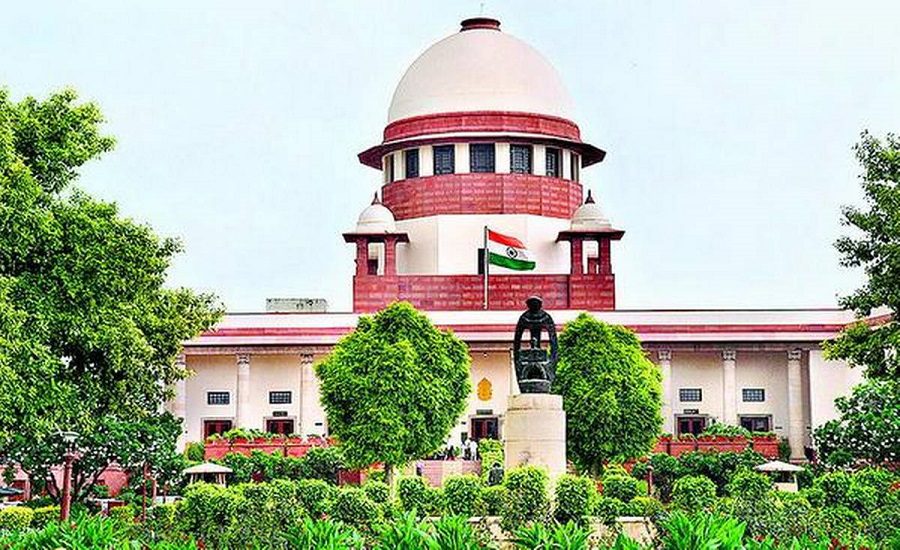
New Delhi: The Supreme Court abortion law reform India debate has intensified after the apex court urged the Centre to reconsider legal limits on terminating pregnancies in rape cases. In a sensitive hearing involving a 15-year-old survivor, the court emphasized that forcing a minor to continue an unwanted pregnancy could lead to lifelong trauma.
The case has reignited discussions on reproductive rights, medical ethics, and the need for laws that evolve with societal realities in India.
Details of Supreme Court Abortion Law Reform
In a significant observation, the criticized the rigid legal framework governing abortion timelines.
Read also: Big Warning to Bar Associations: Follow 30% Women Rule or Face Suspension, Says Supreme Court
A bench led by Chief Justice and Justice stated that:
- Laws must remain “organic” and adapt to changing times
- In cases of rape, there should ideally be no strict time limit for termination
- The emotional and psychological impact on survivors must be prioritized
The court made it clear that legal frameworks should not ignore the harsh realities faced by minor rape survivors.
Background of Supreme Court Abortion Law Reform
The case revolves around a 15-year-old girl seeking termination of her 30-week pregnancy resulting from rape. Earlier, a bench of Justices and had permitted the medical termination.
However, the approached the court with a plea to reconsider the decision, citing serious medical concerns.
Medical Concerns Raised by AIIMS
Representing AIIMS, Additional Solicitor General argued that:
- At 30 weeks, the fetus is medically viable
- Termination could pose serious health risks to the minor
- There is a possibility of severe complications affecting future fertility
She also suggested that the child could be given up for adoption instead of termination.
Court Emphasizes Survivor’s Choice and Mental Health
The Supreme Court strongly pushed back, highlighting the human side of the issue.
Key observations included:
- Forcing motherhood on a minor is deeply unjust and traumatic
- The survivor should be in school, not dealing with childbirth
- The decision must rest with the survivor and her parents, not institutions
The bench stated:
“Unwanted pregnancy cannot be thrust upon a person… Imagine the pain and humiliation the child has suffered.”
Adoption vs Reproductive Rights Debate
The court acknowledged India’s adoption ecosystem but stressed that:
- Adoption cannot be a default solution for unwanted pregnancies
- The focus should remain on the rights and well-being of the survivor
- Emotional trauma cannot be ignored in legal or medical decisions
The judges also pointed to the broader issue of abandoned children and the need for systemic reforms.
Legal Framework and the Need for Reform
Currently, India’s abortion laws—under the Medical Termination of Pregnancy (MTP) Act—generally allow termination up to 20 weeks, with certain exceptions extending to 24 weeks.
However, this case exposes critical gaps:
- Lack of flexibility in extreme circumstances like rape
- Delays in legal and medical processes pushing cases beyond permissible limits
- Insufficient clarity on late-stage abortions for minors
The court’s remarks signal a potential shift toward more compassionate and case-sensitive legislation.
Read also: Pregnant Woman Deportation Case: Supreme Court Gives Final Warning to Centre