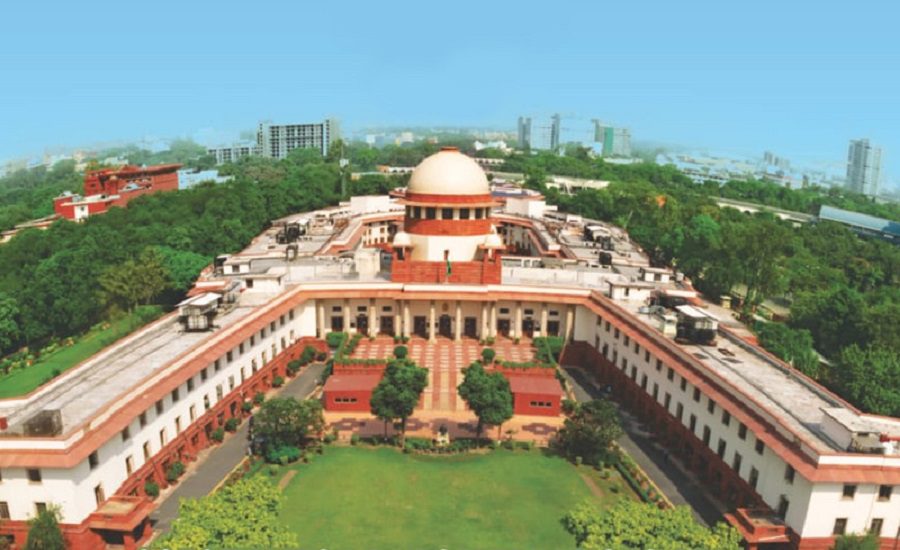
New Delhi: The Supreme Court sex trafficking directions issued on May 29 have created a strong legal framework to fight human trafficking and commercial sexual exploitation in India. Calling the issue a matter “close to our hearts,” the Supreme Court said protecting vulnerable women and children is a constitutional duty.
The Court introduced a nationwide Victim Protection Plan to improve rescue, rehabilitation, investigation, and prosecution systems across the country.
Details of Supreme Court Sex Trafficking Directions
A bench of Justice J.B. Pardiwala and Justice R. Mahadevan passed the landmark judgment while hearing a long-pending public interest litigation related to human trafficking and sexual exploitation.
Read also: Child Trafficking in India: Supreme Court Issues New Investigation Guidelines
The Court observed that the judgment was prepared after extensive study and would help authorities deal with trafficking cases more effectively in the future. It emphasized the need to protect women and children from exploitation and abuse.
1. Nationwide Victim Protection Plan
The Court introduced a detailed Victim Protection Plan that includes:
- Rescue and identification of victims
- Safe rehabilitation measures
- Legal aid support
- Mental health assistance
- Compensation mechanisms
- Witness protection
- Vocational training and reintegration support
The Court said rehabilitation is a fundamental right linked to the right to live with dignity under Article 21 of the Constitution.
2. Better Coordination Between Agencies
The judgment directed stronger coordination among:
- Child Welfare Committees (CWCs)
- Anti-Human Trafficking Units (AHTUs)
- One Stop Centres
- Legal Services Authorities
- State Protection Homes
The aim is to ensure faster support and protection for victims.
3. Consent Is The Key Factor
The Supreme Court clarified an important legal principle:
- Trafficking and voluntary adult sex work are not the same.
- Authorities must examine whether there is force, coercion, deception, abuse, or exploitation.
- Consent remains an important factor while identifying trafficking cases.
The Court warned against indiscriminate action that may criminalize vulnerable adults engaged in consensual sex work.
4. Stronger Child Protection Measures
The Court integrated provisions of:
- The Juvenile Justice Act
- The Protection of Children from Sexual Offences (POCSO) Act
This move aims to strengthen protection for trafficked children and improve rehabilitation systems.
Supreme Court Sex Trafficking Directions: Constitutional Protection Against Human Trafficking
The Supreme Court stated that human trafficking is a direct attack on human dignity and constitutional values.
The judgment is rooted in:
- Article 21 – Right to Life and Dignity
- Article 23 – Protection against human trafficking and forced labour
The Court also referred to international anti-trafficking principles under the Palermo Protocol while explaining the legal framework for identifying trafficking offences.
No Separate Investigative Agency For Now
Although discussions were held regarding a specialized organized crime agency for trafficking cases, the Supreme Court declined to order the creation of a new body.
The bench said the current legal framework is sufficient if implemented properly by authorities.
Background Of The Case
The proceedings began through a public interest litigation filed in 2004 over the growing problem of trafficking and commercial sexual exploitation of women and children in India.
For more than two decades, the Supreme Court monitored:
- Rescue operations
- Shelter home conditions
- Rehabilitation efforts
- Institutional failures
- Anti-trafficking enforcement gaps
After examining reports from government agencies, legal experts, child protection bodies, and rights organizations, the Court decided to create a comprehensive national framework.
Read also: What the Supreme Court’s Proposed SOP Means for Thousands of Missing Children Cases in India