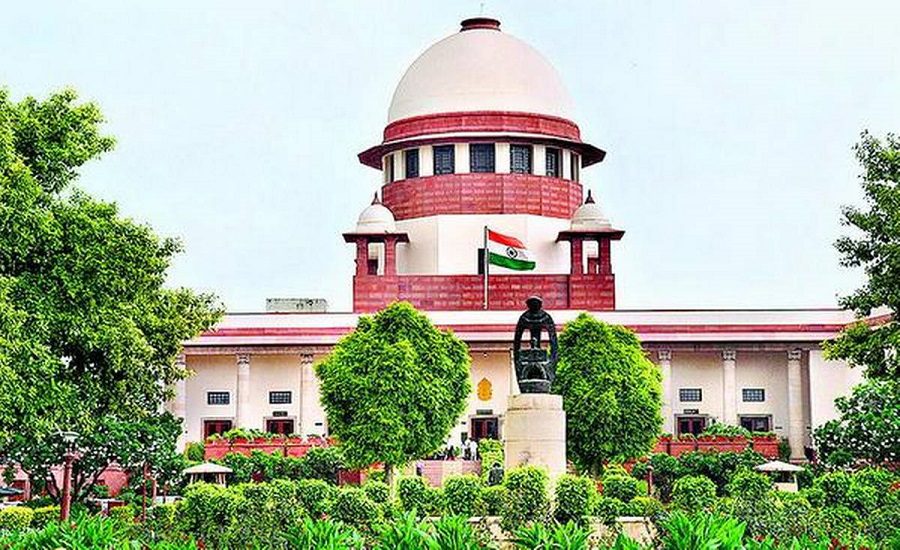
Thiruvananthapuram: The Supreme Court takes suo motu case on life-saving drugs after raising concerns over the long delay in a Kerala High Court case about affordable cancer medicines. The Court said access to life-saving medicines is closely linked to the Right to Life under Article 21 of the Constitution. It has now asked the Kerala High Court to decide the pending case quickly and has also issued notice to the Union Government.
Details of Kerala Live Saving Drugs Case
A Bench led by Chief Justice of India Surya Kant, along with Justice Joymalya Bagchi and Justice V. Mohana started the suo motu proceedings on July 16, 2026. The judges were concerned that a petition related to expensive cancer medicines has remained pending before the Kerala High Court for more than four years.
The Supreme Court asked the Chief Justice of the Kerala High Court to ensure that the matter is decided without further delay.
Background of the Kerala Live Saving Drugs Case
The case was filed in 2022 by a breast cancer patient. The petitioner wanted the Government to issue a Government Use Licence under Section 100 of the Patents Act, 1970. If approved, the licence would allow the Government to make or authorize cheaper generic versions of the patented cancer medicine Ribociclib, making treatment more affordable for patients across India. However, the Union Government rejected the request, saying breast cancer did not qualify as a national emergency under the law.
Why Is Ribociclib So Important
Ribociclib is a patented medicine used to treat certain types of breast cancer. Because it is protected by patents, the medicine is expensive and difficult for many patients to afford. The petition argued that affordable generic versions could save many lives.
What Happened to the Original Petitioner
During the Supreme Court hearing, Advocate Aljo Joseph informed the Bench that the original petitioner had passed away. He also said the Kerala Government has imported the medicine to provide it to patients at affordable prices.
Even after the petitioner’s death, the legal issue remains important because many patients continue to struggle with the high cost of patented medicines.
Kerala Live Saving Drugs Case: What Did Senior Advocate Anand Grover Tell the Court
Senior Advocate Anand Grover, appearing for the petitioner’s husband, said the case is not about one person alone. He argued that many life-saving medicines remain unaffordable because they are protected by patents. He also pointed out that although Indian law allows compulsory licensing in public interest, only one compulsory licence has been granted since 2005. According to him, this shows that the legal provisions are rarely used despite their importance.
Why Did the Chief Justice Express Concern
Chief Justice Surya Kant said the Kerala High Court had listed the matter 57 times, but it still had not reached a final decision. He said he initially wanted the High Court to decide the matter on its own. However, because the case kept getting delayed, the Supreme Court decided to step in. The Court also noted that the original petitioner died while waiting for the case to be decided.
Kerala Live Saving Drugs Case: What Happened After the Petitioner’s Death
The Kerala High Court continued the matter on its own by converting it into a suo motu Public Interest Litigation (PIL). The case was renamed “In Re: Exorbitant Pricing of Life Saving Patented Medicines.”
The High Court appointed an amicus curiae, sought reports from the Union Government, requested scientific opinions from experts, involved pharmaceutical companies and asked the Indian Council of Medical Research (ICMR) for information. Despite these steps, the case is still awaiting a final judgment.
Read also: Kerala High Court Cracks Down on Cybercrime-Linked Bank Account Petitions Warns Junior Lawyers