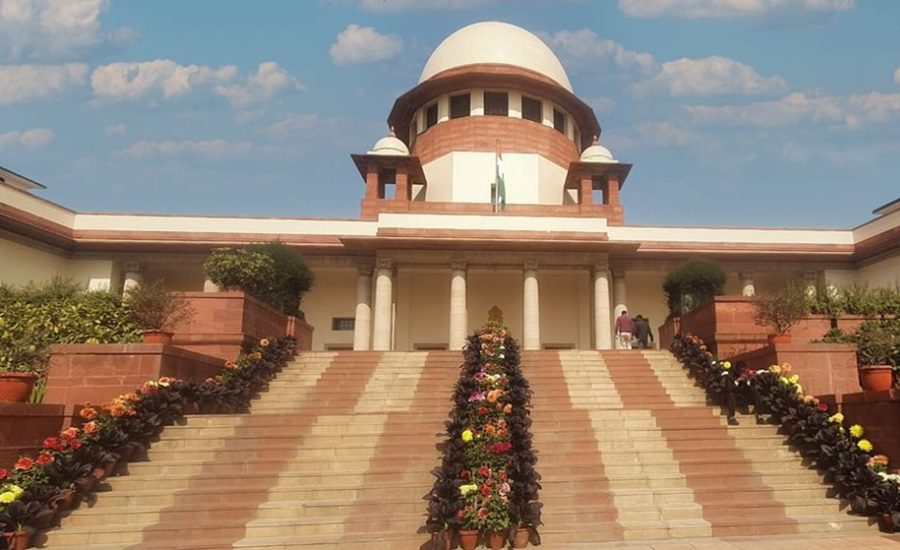
Dehradun: The Uttarakhand Deputy Collectors seniority issue has been settled by the Supreme Court in an important judgment. The Court ruled that Deputy Collectors who were promoted on an ad hoc basis in 2007 are entitled to count their continuous officiating service for seniority. The Bench held that the State Government cannot deny this benefit because of its own failure to complete the required consultation with the Public Service Commission. The decision provides relief to several promoted officers and clarifies how seniority rules should be applied.
Background Of The Uttarakhand Deputy Collectors Seniority Issue
The dispute began when a group of Tehsildars was promoted as Deputy Collectors on an ad hoc basis on October 1, 2007 due to a shortage of Civil Service officers. These officers continued working in the post until they received regular promotion in 2012.
Read also: Indian Air Force Exit Policy Explained After Supreme Court’s Latest Ruling
Later, direct recruits challenged the claim that the ad hoc service should be counted for seniority. They argued that the initial appointments were only temporary and could not be treated as regular service.
What The Uttarakhand High Court Had Ruled
The Uttarakhand High Court had earlier held that if vacancies existed within the promotee quota during the 2007-08 recruitment year, the officers would be entitled to regular appointment from October 1, 2007. However, the High Court directed the State Government to verify the availability of vacancies before revising the seniority list.
Both the State Government and direct recruits challenged this decision before the Supreme Court, while the promotees sought complete relief.
Details of SC Ruling in Uttarakhand Deputy Collectors Seniority Issue
A Bench of Justice Pamidighantam Sri Narasimha and Justice Alok Aradhe allowed the appeals filed by the promoted Deputy Collectors while dismissing the appeals filed by the State Government and direct recruits. The Court directed the Uttarakhand Government to treat the promoted officers as regularly appointed Deputy Collectors with effect from October 1, 2007. It also ordered the State to issue a revised seniority list within three months.
Uttarakhand Deputy Collectors Seniority Issue: Two Main Questions Before The Supreme Court
The Supreme Court examined two important legal questions:
1. Was Consultation With The Public Service Commission Mandatory?
The Court considered whether failure to consult the Uttarakhand Public Service Commission under the 2003 Regulations made the appointments invalid.
2. Were Promotees Entitled To Rule 24(4) Benefits?
The Court also examined whether the officers could claim seniority under Rule 24(4) of the Uttaranchal Civil Services (Executive Branch) Rules, 2005, which allows continuous officiating service to be counted under certain conditions.
Supreme Court On Public Service Commission Consultation
The Court ruled that consultation with the Public Service Commission was directory and not mandatory in the circumstances of this case. It relied on earlier Supreme Court judgments to hold that when the Government itself fails to complete consultation, employees should not lose their legal rights because of that omission.
The Bench observed that it would be unfair to allow the State to benefit from its own failure. Therefore, the appointments could not be treated as legally defective only because consultation had not taken place.
Court Found Vacancies Existed In Promotee Quota
The Supreme Court carefully examined official records. It found that during the 2007-08 recruitment year, there were 19 vacancies in the promotee quota. Official communications also showed that only 19 promotee Deputy Collectors were working against 40 sanctioned posts, leaving sufficient vacancies available for promotion. This finding strengthened the promotees’ claim for regular appointment from October 1, 2007.
Continuous Service Counted For Seniority
The Court held that the officers had continuously served within the promotee quota from October 1, 2007 until their regular promotion in 2012. As a result, their entire officiating service would be counted while determining seniority under the proviso to Rule 24(4). This means their seniority will now be calculated from the date of their initial ad hoc promotion instead of their later regular appointment.
Earlier Judgment Distinguished
The Bench also explained why its earlier decision in Vinod Giri Goswami v. State of Uttarakhand did not apply to the present case. According to the Court, the earlier case lacked a finding that the officers had continuously worked within the promotee quota. Since such a finding existed in the present dispute, the earlier precedent could not be used against the promotees.
Final Directions Of The Supreme Court
The Supreme Court modified the Uttarakhand High Court’s judgment and held that:
- Promotee Deputy Collectors will be treated as regularly appointed from October 1, 2007.
- Their continuous officiating service will count for seniority.
- The State Government must issue a revised seniority list within three months.
- The judgment will not affect officers who were promoted in later years.
Read also: Delhi Student Protest: Supreme Court Orders Centre To Secure RAF Ammunition Records During Probe