7 November 2026
ADVERTISEMENT
ADVERTISEMENT

From Loss to Profit: Kochi Metro Posts ₹33.34 Crore Operating Profit in FY25, Marks Third Straight Year in Surplus – Know More About It

Strong Financial Performance Driven by Higher Revenues, Efficient Operations
Indian Masterminds Stories

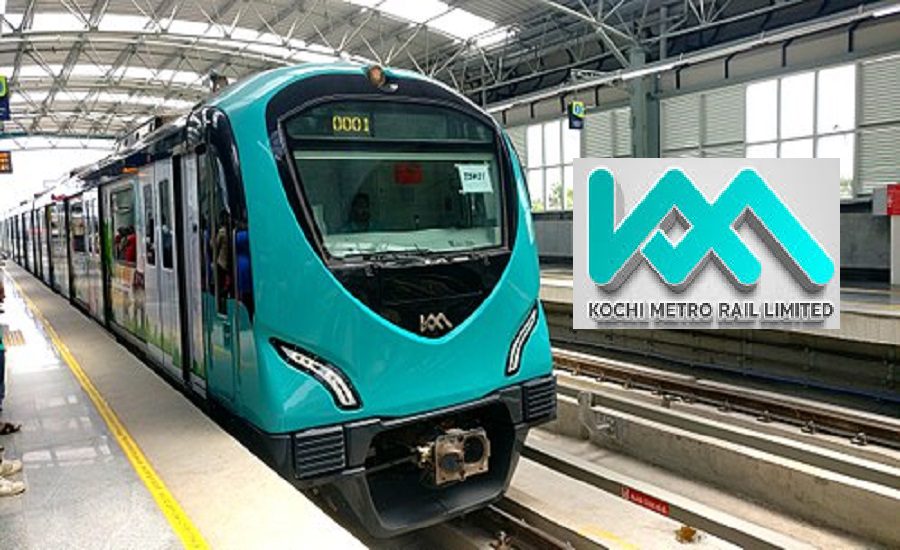
New Delhi/Kochi: In a major boost to its financial credentials, Kochi Metro Rail Limited (KMRL) on Thursday announced an operating profit of ₹33.34 crore for the financial year 2024–25, marking the third consecutive year of surplus since its inception in 2017.

The latest figures represent an increase of ₹10.4 crore over FY24, a significant step forward in Kochi Metro’s steady march toward financial self-sustainability.

Revenue Streams Strengthened Across the Board

In FY25, KMRL recorded an operating income of ₹182.37 crore, with ₹111.88 crore generated from ticket sales, indicating healthy ridership trends. Non-ticket revenue also saw a notable contribution of ₹55.41 crore, while consultancy services brought in ₹1.56 crore and miscellaneous sources added another ₹13.52 crore.

Operating expenses stood at ₹149.03 crore, enabling the surplus of ₹33.34 crore after accounting for all operational costs.

KMRL clarified that the operating profit calculation excludes capital and financing expenses, such as interest, depreciation, and investments in non-motorised transport (NMT) infrastructure like pedestrian pavements.

Leadership Speaks: Efficiency and Passenger Focus Key to Turnaround

KMRL Managing Director Loknath Behera credited the performance to consistent efforts across operations, planning, and passenger services.

“This consistent financial progress reflects the resilience and efficiency of Kochi Metro. We have not only improved operational performance but also enhanced passenger experience and diversified our revenue streams,” Behera said.

He emphasized KMRL’s mission to build a financially sustainable and commuter-friendly metro system for Kochi.

From Deficit to Surplus: A Financial Journey Since Launch

Kochi Metro’s financial trajectory has witnessed a stark transformation since its launch in 2017–18, when it reported an operating loss of ₹24.19 crore. Over the years, it experienced fluctuating deficits:

  • 2018–19: ₹5.70 crore loss
  • 2019–20: ₹13.92 crore loss
  • 2020–21: ₹56.56 crore loss
  • 2021–22: ₹34.94 crore loss

The breakthrough came in 2022–23, when the metro posted its first operating surplus of ₹5.35 crore, followed by ₹22.94 crore in 2023–24.

This strong financial streak positions Kochi Metro as a standout among India’s newer metro systems, many of which continue to rely heavily on government support to balance operational costs.

About Kochi Metro

Kochi Metro is a rapid transit system serving the city of Kochi in Kerala, India. It is operated by Kochi Metro Rail Limited (KMRL), a special purpose vehicle jointly owned by the Government of India and the Government of Kerala on a 50:50 basis. KMRL was incorporated on August 2, 2011, and the metro officially began operations on June 17, 2017, inaugurated by Prime Minister Narendra Modi. The project was envisioned to reduce traffic congestion, improve urban mobility, and promote sustainable transportation in the city.

The initial phase covered 13.4 km between Aluva and Palarivattom, later extended to Petta. The system is known for adopting green practices, including solar-powered stations and water conservation. Kochi Metro also employs a large number of women and members from the transgender community, making it socially inclusive.

Financially, Kochi Metro has steadily grown. In FY 2020–21, it earned ₹12.90 crore. Revenue increased to ₹30.80 crore in 2021–22, and in FY 2022–23, it touched ₹134.04 crore. For FY 2024–25, Kochi Metro recorded an impressive ₹182.37 crore in operating income and a ₹33.34 crore operating surplus. It has been operationally profitable for three consecutive years, a rare feat for Indian metro systems.
Indian Masterminds Stories
Join our WhatsApp Channel
ADVERTISEMENT
ADVERTISEMENT
Related Stories
ADVERTISEMENT
ADVERTISEMENT
NEWS
Rakesh Minhas and Faz Lul Haseeb IAS Feature
MHA Shifts Two IAS Officers to Ladakh; Rakesh Minhas, Faz Lul Haseeb Among Those Transferred
Tri-Service Maritime Electronic Warfare Drill
India Boosts Joint Warfare Preparedness With Tri-Service Maritime Exercise
ADNOC Gujarat Energy LNG deal
India-UAE Energy Ties Grow As ADNOC Signs 10-Year LNG Deal With Gujarat Energy
Yogi Adityanath
Yogi Adityanath to Celebrate Diwali With Van Tangiya Community, Announce ₹78 Crore Projects
Indigenous Secure Airborne Communication System
Indian Air Force Signs Agreement To Develop Indigenous Secure Airborne Communication System
78th Batch IPS Trainees Manipur
Manipur Police Headquarters Hosts 78th Batch IPS Trainees for Security Briefing
Martin Baker
Martin-Baker To Build Ejection Seat Factory In Karnataka With 500+ Jobs
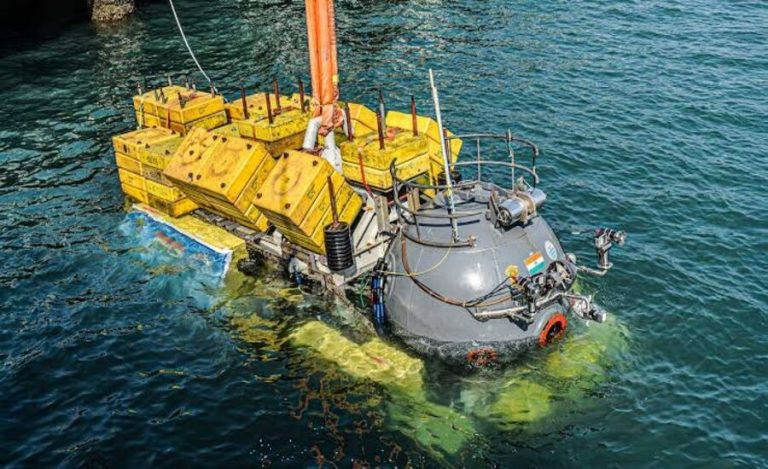
India Human Deep Sea Mission
India Targets 6,000-Metre Deep-Sea Mission By 2028 Under Samudrayaan Project
ADVERTISEMENT
ADVERTISEMENT
Videos
Five years after Kargil, India sent its cricketing heroes to Pakistan where terrorism posed a deadly threat. The man guarding them, former Special Director of Intelligence Bureau, Mr. Yashovardhan Azad, reveals what all went behind the scenes during that crucial tour. 
Trust No One, Said His Instinct in Pakistan
Gajendra Singh Shekhawat
How India Plans to Boost Tourism, Create Jobs and Ease Overcrowding : Gajendra Singh Shekhawat on the Road to 2047
Dr Saket Badola IFS
Beyond Tigers and Safaris: How Corbett Literature Festival Wants to Change the Conservation Conversation
ADVERTISEMENT
UPSC Stories
IDAS Himanshu Tembhekar
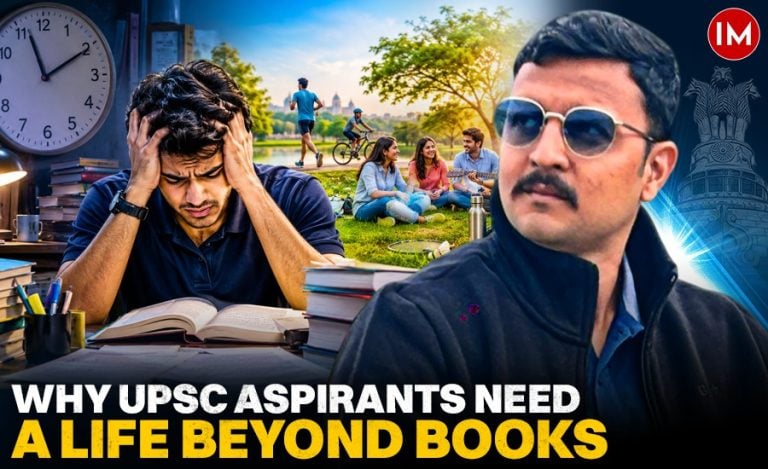
Should UPSC Aspirants Give Up Their Hobbies? IDAS Officer Himanshu Tembhekar Explains
Should UPSC aspirants give up their hobbies? IDAS officer Himanshu Tembhekar explains how hobbies help...
UPSC Story
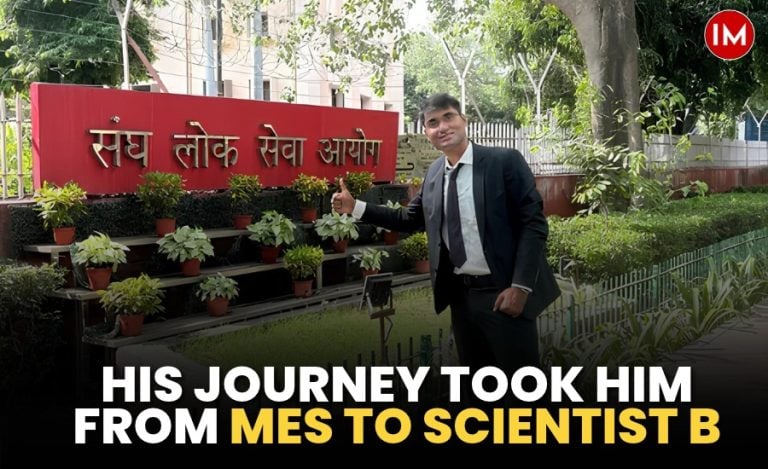
He Taught Students to Meet Expenses. Today, Sachin Bhadouria is a Scientist ‘B’ at CWPRS
Sachin Bhadouria overcame financial challenges and a Hindi-medium background to secure AIR 2 in a UPSC...
Vishwas Jhargad UPSC CAPF
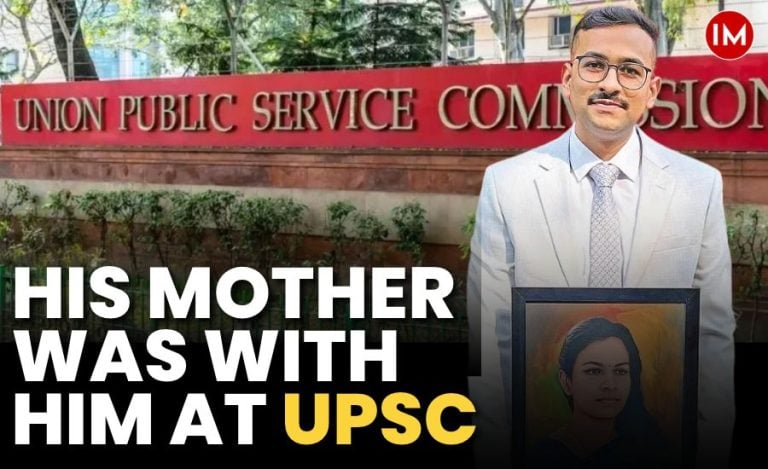
A Photograph of His Mother Accompanied Vishwas Jhargad to the UPSC Interview, Where His Dream Came Closer
Vishwas Vijay Jhargad lost both parents as a child. With his family's support, he secured AIR 145 in...
CSR NEWS
NCL CSR Blood Bank Project
NCL Signs ₹1.16 Crore CSR MoU to Establish Blood Bank at District Hospital in Singrauli
The project will fund essential medical equipment, furniture and renovation of the existing building...
REC Foundation Solar Street Light
REC Foundation to Install 350 Solar Street Lights Across Six Districts of West Bengal to Improve Rural Safety 
The CSR initiative, undertaken in partnership with Y4D Foundation, aims to improve night-time safety...
nalco
NALCO Signs MoU with SDI Bhubaneswar to Provide Skill Training to 60 Youths in Odisha
The three-month CSR programme will benefit youths from villages near NALCO's Angul and Koraput complexes,...
ADVERTISEMENT
ADVERTISEMENT
ADVERTISEMENT
Latest
Rakesh Minhas and Faz Lul Haseeb IAS Feature
MHA Shifts Two IAS Officers to Ladakh; Rakesh Minhas, Faz Lul Haseeb Among Those Transferred
Tri-Service Maritime Electronic Warfare Drill
India Boosts Joint Warfare Preparedness With Tri-Service Maritime Exercise
ADVERTISEMENT
ADVERTISEMENT
ADVERTISEMENT
ADVERTISEMENT
ADVERTISEMENT
ADVERTISEMENT
ADVERTISEMENT
Videos
Five years after Kargil, India sent its cricketing heroes to Pakistan where terrorism posed a deadly threat. The man guarding them, former Special Director of Intelligence Bureau, Mr. Yashovardhan Azad, reveals what all went behind the scenes during that crucial tour. 
Gajendra Singh Shekhawat
Dr Saket Badola IFS
ADVERTISEMENT
ADVERTISEMENT