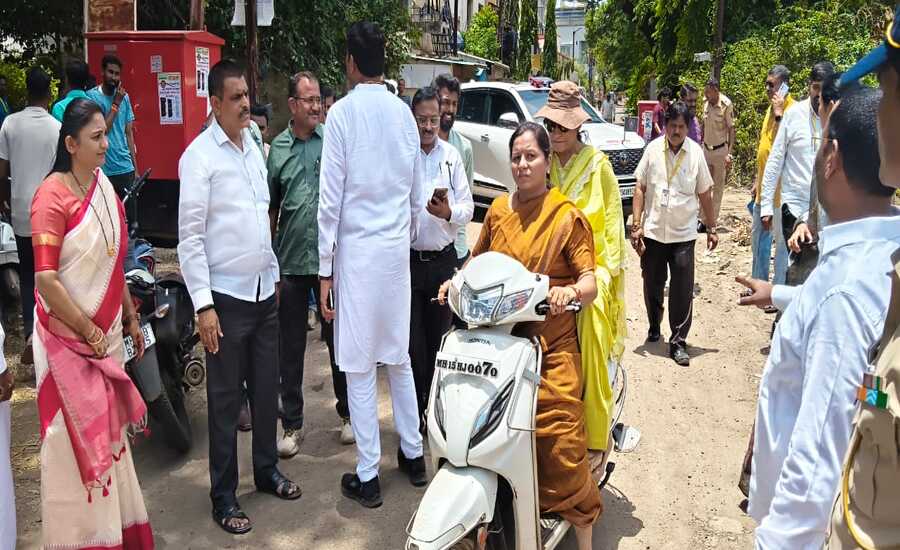
Nashik (Maharashtra): In a departure from the conventional approach of holding review meetings and responding to complaints after heavy rains, the Nashik Municipal Corporation (NMC) has launched a citywide Monsoon Task Force that prioritises preventive action on the ground.
Spearheaded by Municipal Commissioner Manisha Khatri, an IAS officer of 2014 batch from Maharashtra cadre, the initiative reflects a field-first governance model where senior municipal officials, engineers, elected representatives and citizens work together to identify and resolve civic issues before they escalate during the monsoon.
Built around the philosophy of “Action First, Talks Later,” the initiative aims to strengthen urban resilience through direct field supervision, faster decision-making and coordinated execution, ensuring that Nashik is better prepared for the challenges posed by the rainy season.
Senior Officers Take Charge on the Ground
A key feature of the initiative is the active involvement of senior municipal officials in field operations rather than limiting their role to office-based review meetings.
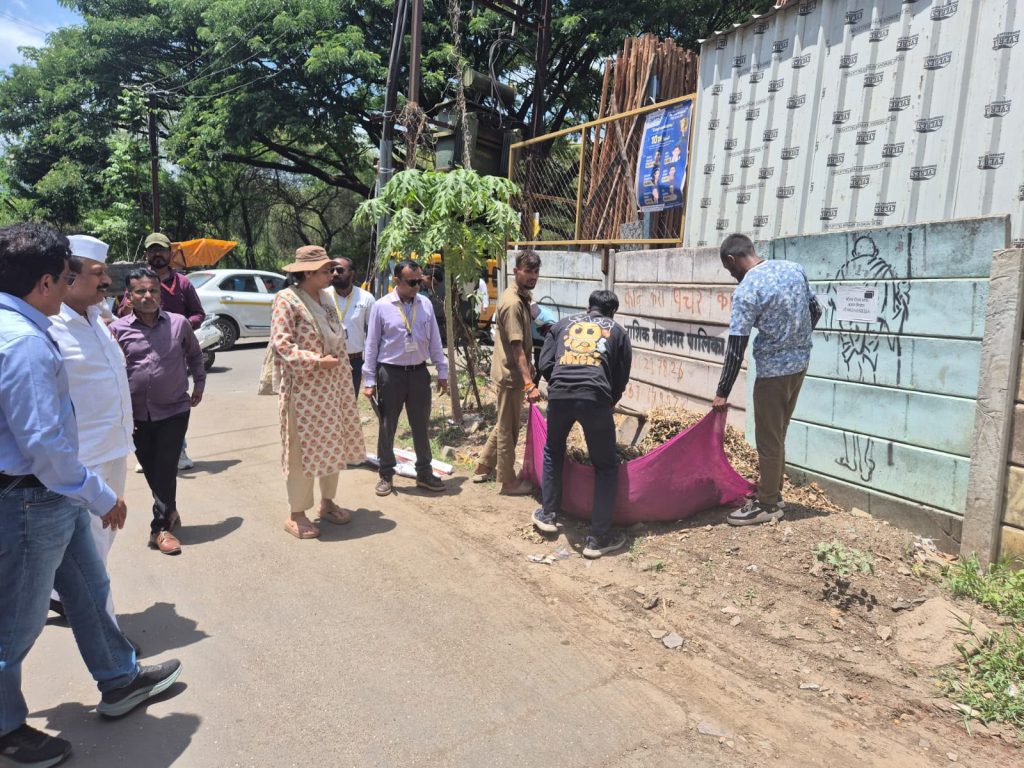
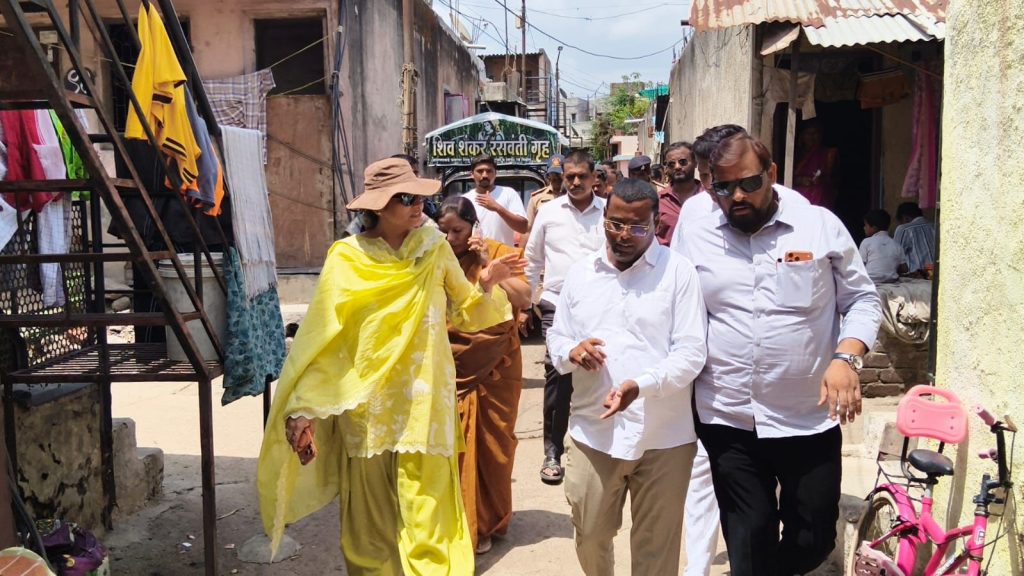
Commissioner Manisha Khatri has directed senior officers to personally supervise inspections, monitor ongoing works and coordinate directly with field teams across different parts of the city. Every municipal division has been assigned a multidisciplinary task force comprising senior officers, engineers, sanitation personnel and technical staff working in close coordination with elected representatives.
The Corporation believes that the physical presence of decision-makers at project sites will significantly improve coordination, accelerate implementation of civic works and enhance accountability across departments.
Six Dedicated Task Forces Cover the Entire City
To ensure systematic coverage of Nashik, the Municipal Corporation has constituted six specialised Monsoon Task Forces, each assigned to one administrative division:
- Panchavati
- Nashik East
- Nashik West
- Nashik Road
- New Nashik
- Satpur
Each task force consists of approximately 15 personnel and is equipped with heavy machinery and technical resources, including JCBs, cranes, tippers and other equipment required for immediate field intervention.
Beginning June 26, each team has been conducting an intensive four-day drive in every ward before moving on to the next, ensuring that all areas of the city receive focused attention prior to peak monsoon conditions.
Comprehensive Monsoon Preparedness Beyond Drain Cleaning
Unlike traditional pre-monsoon campaigns that primarily focus on desilting drains, Nashik’s Monsoon Task Force has adopted an integrated civic management strategy covering infrastructure, sanitation, public health and emergency preparedness.
The teams are undertaking a wide range of activities, including:
- Desilting storm-water drains and sewer lines.
- Repairing potholes and damaged roads.
- Addressing water supply complaints and pipeline leakages.
- Removing dangerous tree branches to prevent accidents during heavy rainfall.
- Cleaning garbage-vulnerable locations and waste accumulation points.
- Conducting intensive fogging operations and mosquito-control measures to prevent vector-borne diseases.
- Carrying out vaccination drives for stray dogs as part of public health preparedness.
- Responding immediately to waterlogging and other monsoon-related civic complaints.
By integrating multiple civic functions into a unified operational framework, the Corporation aims to minimise disruptions during the rainy season while improving public health and essential urban services.
Participatory Governance Strengthens Ward-Level Response
The Monsoon Task Force also places strong emphasis on citizen participation and decentralised governance.
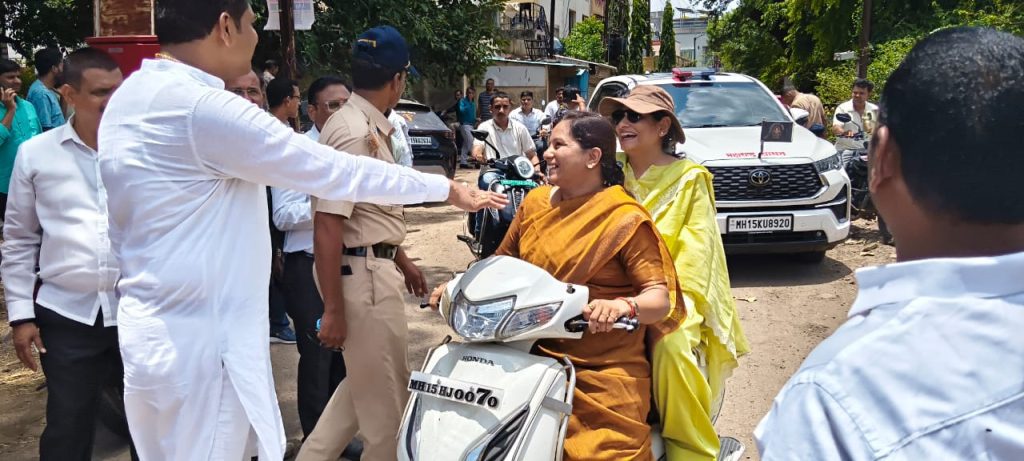
Residents have been encouraged to report civic issues through their elected corporators, who coordinate directly with the municipal task forces to prioritise and resolve local problems.
This collaborative approach is expected to reduce administrative delays, improve responsiveness and ensure that ward-level concerns receive timely attention.
The model strengthens coordination among citizens, elected representatives and municipal officials, making governance more participatory and outcome-oriented.
Commissioner Manisha Khatri Emphasises Prevention Over Reaction
Explaining the philosophy behind the initiative, Municipal Commissioner Manisha Khatri said the objective is to prevent problems before they inconvenience citizens.
“Our focus is to ensure that monsoon-related problems do not arise in the first place. Instead of waiting for complaints, our teams are already on the ground. Senior officers, field staff and elected representatives are working together in every ward so that issues are identified early and resolved promptly. Citizens can also play an important role by reporting local concerns through their elected representatives.”
Her emphasis on preventive governance underscores the Corporation’s effort to shift from reactive crisis management to proactive planning and execution.
A New Model for Urban Governance
As Indian cities increasingly face unpredictable weather patterns and more intense monsoon events due to climate change, Nashik’s field-first governance model offers an example of proactive municipal administration.
By combining leadership on the ground, interdepartmental coordination, public participation and real-time field execution, the initiative seeks to improve service delivery, strengthen disaster preparedness and enhance the city’s overall resilience during the monsoon season.
The Monsoon Task Force demonstrates how administrative leadership, supported by coordinated civic action and citizen engagement, can transform urban governance from reactive problem-solving to preventive public service.