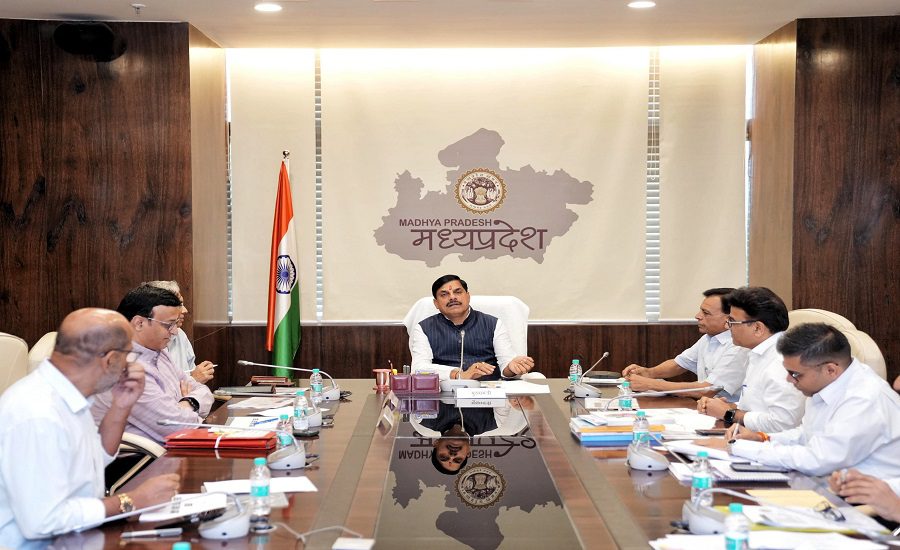
Bhopal: Madhya Pradesh Chief Minister Dr. Mohan Yadav has directed that awareness about the harmful effects of drug abuse must be included in the school curriculum to protect children and youth from addiction at an early stage. He also stressed the need to build sensitivity towards persons with disabilities at the school level and make all government buildings barrier-free for easy accessibility.
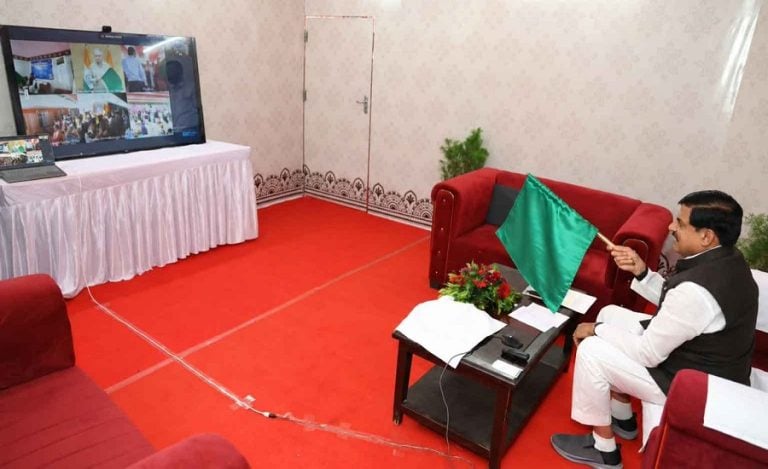
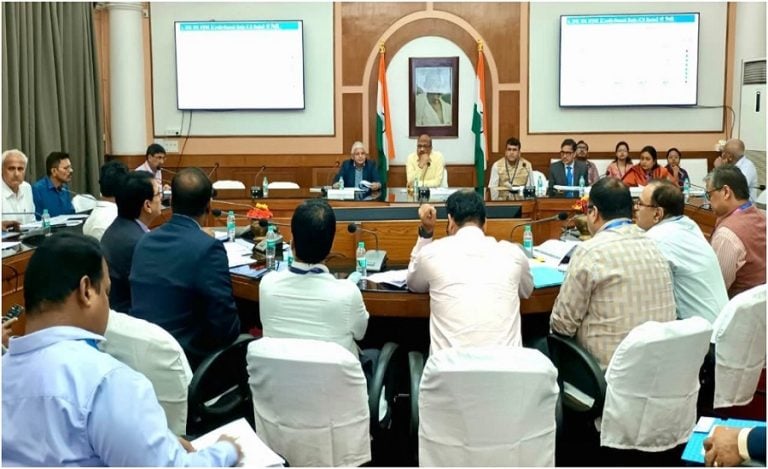
The directions were issued during a review meeting of the Social Justice and Empowerment Department held at the state secretariat in Bhopal on Thursday. The meeting was attended by Social Justice Minister Narayan Singh Kushwaha, Chief Secretary Anurag Jain, and senior departmental officials.
Focus on Drug De-addiction Awareness in Schools and Colleges
CM Dr. Yadav emphasized the importance of coordinated efforts among all departments to strengthen ongoing de-addiction campaigns in the state. He said students must be educated about the harmful effects of drugs through structured content in school and college curricula.
He further stated that creating a drug-free environment requires awareness programs at multiple levels, especially targeting teenagers and young adults before they fall into addiction.
Read also: Madhya Pradesh to Expand Irrigation by 6 Lakh Hectares in Six Months Under Kisan Kalyan Year
Disability Awareness and Barrier-Free Infrastructure
The Chief Minister instructed that all government buildings should be made accessible and barrier-free to ensure smooth mobility for persons with disabilities.
He also directed that educational institutions must include sensitization content about disabilities so that children develop empathy and understanding from an early age.
Additionally, he highlighted the importance of skill development and employment opportunities for persons with disabilities in the private sector, ensuring they can become self-reliant.
₹6.52 Crore Assistive Devices Distributed to Divyangjan
During the meeting, officials informed that under the Chief Minister Seva Pakhwada campaign 2025, assistive devices and artificial limbs worth ₹6.52 crore have been distributed to persons with disabilities across the state.
This initiative aims to improve mobility, independence, and quality of life for Divyangjan (persons with disabilities).
168 Smart Classrooms for Special Schools
The government has set up 168 smart classrooms in special schools dedicated to the education of children with disabilities. These modern learning facilities are designed to improve learning outcomes and provide better educational access through digital tools.
12,000 Volunteers for Anti-Drug Campaign
Under the National Drug De-addiction Campaign, around 12,000 volunteers have been trained across Madhya Pradesh. These volunteers are actively spreading awareness about the harmful effects of drug abuse among the general public.
The initiative is part of a broader strategy to strengthen community participation in combating substance abuse.
Employment and Skill Development Initiatives for Divyangjan
The government has signed MoUs with institutions recognized by the Government of India to enhance employment opportunities for persons with disabilities.
So far, these efforts have resulted in providing employment to 12 Divyangjan, along with various skill development programs aimed at improving employability.
Caregiver Training for Elderly Care
To support senior citizens, the state has introduced caregiver training programs. As part of this initiative, 54 participants have already been trained to provide care and assistance to the elderly.This initiative aims to strengthen elderly care services and promote dignity and support for aging populations.
Cultural Initiatives for Social Welfare
CM Dr. Yadav also suggested developing structured arrangements at major religious places in the state to provide food to the underprivileged. He noted that Indian traditions already include charitable practices such as feeding the needy on birthdays, anniversaries, and memorial occasions, which can be institutionalized for greater social impact.
Review of Welfare Schemes and Future Directions
The Chief Minister conducted a detailed, point-wise review of ongoing schemes under the Social Justice and Empowerment Department. He reiterated that all welfare programs must be implemented effectively to ensure maximum benefit reaches marginalized communities.