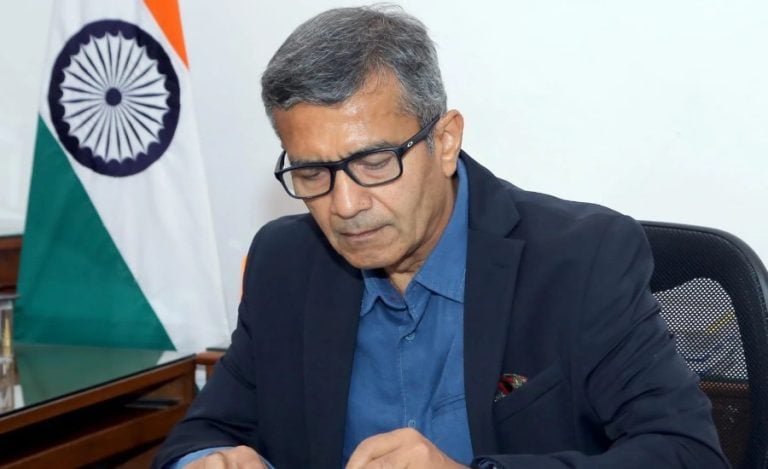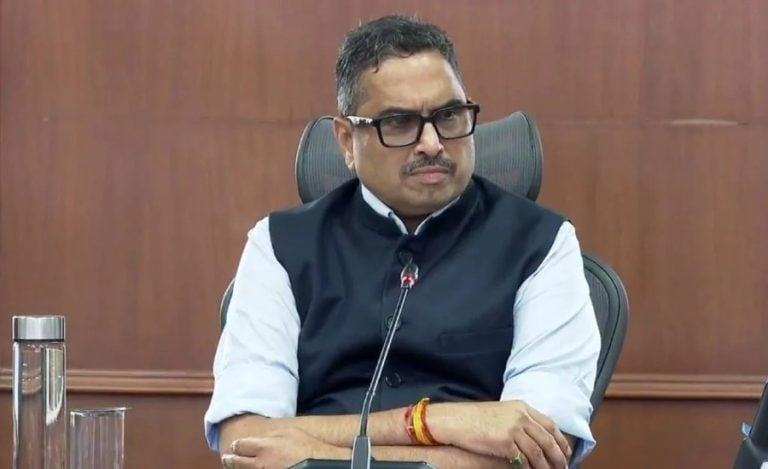
Kohima: Nagaland Director General of Police (DGP) Rupin Sharma, an IPS officer of 1992 batch, has described drug abuse as one of the state’s gravest challenges, revealing that an estimated 5.5 to 6 per cent of Nagaland’s population is affected by addiction. Addressing a 5-km Awareness Run organised to mark the International Day Against Drug Abuse and Illicit Trafficking, Sharma warned that the northeastern state is facing a “full-blown crisis” owing to its geographical proximity to Myanmar and the Golden Triangle, one of the world’s largest illicit opium-producing regions. He called for a united effort involving families, educational institutions, civil society and law enforcement agencies to combat the growing menace.
Nagaland Faces a Serious Drug Abuse Crisis
Speaking at the awareness programme in Kohima, DGP Rupin Sharma said drug addiction has reached alarming proportions in Nagaland, affecting nearly six per cent of the state’s population.
He termed substance abuse one of the most pressing issues confronting the state and warned that it poses a serious threat to the younger generation.
According to Sharma, addiction not only destroys individual lives but also devastates families and weakens society as a whole.
Read also: Nagaland DGP Rupin Sharma Warns of Rising Drug Crisis, Urges Collective Public Action to Save State
Border with Myanmar Makes Nagaland Highly Vulnerable
The DGP explained that Nagaland’s geographical location has made it particularly susceptible to the illegal drug trade.
He pointed out that the state shares close proximity with Myanmar and the Golden Triangle—a region covering parts of Myanmar, Laos and Thailand that is globally known for illicit opium production.
Sharma said narcotics trafficked through Myanmar and neighbouring Manipur are entering Nagaland in significant quantities, with the state’s extensive road network increasingly being used as a major transit corridor for drug traffickers.
‘Don’t Experiment Even Once,’ DGP Tells Youth
Issuing a strong appeal to young people, Sharma urged them never to experiment with narcotic substances.
“Drugs do not solve personal or emotional problems. They only make them worse,” he said.
He cautioned that many individuals become trapped in a vicious cycle of addiction after initial experimentation, leading to severe physical and mental health complications before eventually losing control over their lives.
Describing addiction as a threat to an entire generation, Sharma stressed that prevention remains the most effective solution.
Many Families Have Already Lost Loved Ones
Highlighting the human cost of addiction, the DGP revealed that Nagaland Police have handled numerous cases involving addicts and traffickers who required emergency medical attention due to severe withdrawal symptoms.
He also noted that many families across the state have already lost loved ones because of substance abuse, underlining the urgency of addressing the crisis.
Police Alone Cannot Win the Battle
Calling for a comprehensive societal response, Sharma said law enforcement agencies alone cannot eliminate the drug menace.
He appealed to:
- Parents
- Educational institutions
- Civil society organisations
- Community leaders
- Religious organisations
- Youth groups
to actively participate in preventing drug abuse and supporting rehabilitation efforts.
According to him, only a “whole-of-society approach” can effectively curb addiction and dismantle trafficking networks.
Addicts Need Treatment, Traffickers Must Face the Law
In a significant message, Sharma urged families not to hide cases of addiction among relatives or friends.
He stressed that individuals suffering from addiction require treatment, counselling and emotional support rather than social stigma.
“People suffering from addiction need treatment and counselling. Those trafficking and selling drugs are the real criminals and must be brought to justice,” he said.
The DGP emphasised that addiction should be treated as a medical condition requiring clinical care, psychological counselling, as well as moral and spiritual support.
Need More Mental Health Professionals
Recognising the growing demand for counselling services, Sharma highlighted the shortage of trained mental health professionals in the state.
He encouraged students to consider pursuing psychology as a career so they can contribute towards addressing Nagaland’s increasing counselling and rehabilitation requirements.
Police Focused on Drug Networks, Not Victims
Reassuring citizens, Sharma said people who voluntarily come forward seeking help for their addiction will not face prosecution.
Instead, they will receive appropriate medical assistance and rehabilitation support.
He clarified that Nagaland Police will continue to focus on dismantling organised drug supply chains and prosecuting traffickers under the provisions of the Narcotic Drugs and Psychotropic Substances (NDPS) Act.
Facebook Live Awareness Programme Organised
To further spread awareness, Nagaland Police organised a Facebook Live session on the occasion of the International Day Against Drug Abuse and Illicit Trafficking.
The online programme covered:
- Legal provisions under the NDPS Act
- Treatment and rehabilitation facilities
- The role of parents in preventing substance abuse
- Responsibilities of youth leaders and community members
Schools and colleges across the state were encouraged to organise group viewing sessions so that students could better understand the dangers associated with narcotic substances.
Appeal to Join Nagaland Police
During his address, Sharma also encouraged physically fit youth to consider joining the Nagaland Police.
He assured aspiring candidates that recent recruitment exercises had been conducted in a transparent, fair and merit-based manner.
Call for a Drug-Free Nagaland
Concluding his address, the DGP urged citizens to uphold the anti-drug pledge and extend full cooperation to law enforcement agencies.
He reiterated that while police would continue taking stringent action against traffickers, lasting success would depend on active participation from every section of society.
“Our collective responsibility is to build a drug-free Nagaland,” Sharma said, calling upon citizens to stand united against addiction and illicit drug trafficking.