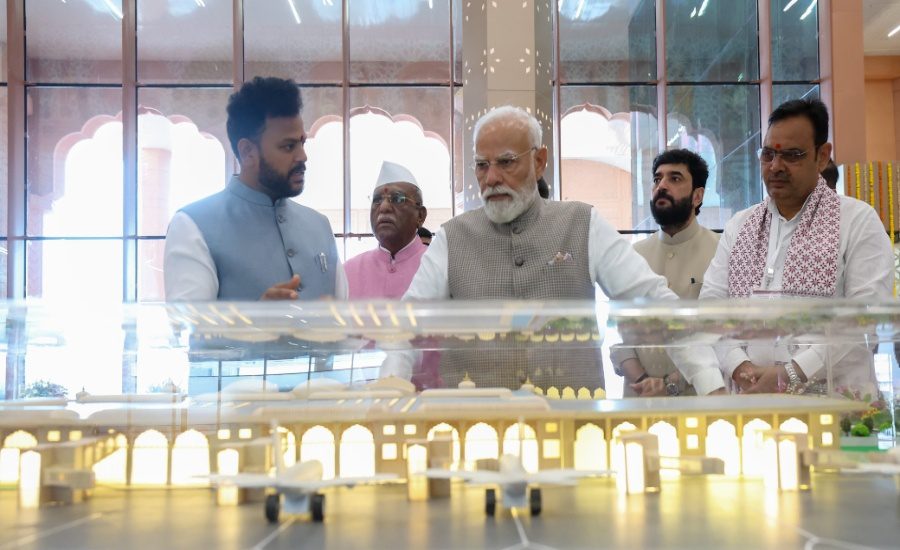
Jodhpur: Viksit UDAN scheme received a major push as Prime Minister Narendra Modi launched the next phase of the regional air connectivity scheme and inaugurated the new terminal building at Jodhpur Airport on July 4, 2026. The initiative aims to improve air travel in smaller cities, strengthen aviation infrastructure, and support India’s long-term development vision of Viksit Bharat 2047.
PM Launches the Next Phase of Viksit UDAN Scheme
Prime Minister Narendra Modi officially launched the next phase of the UDAN (Ude Desh Ka Aam Nagrik) scheme during a public event in Jodhpur, Rajasthan. The programme focuses on making air travel more affordable and improving connectivity between major cities and remote regions across India.
New Terminal Building Opened at Jodhpur Airport
The Prime Minister also inaugurated the New Terminal Building (NTB) at Jodhpur Airport. According to official information, the modern terminal has been built to improve passenger experience and support the growing number of domestic travellers. The new facility is expected to strengthen tourism, trade, and business opportunities in Rajasthan.
What Is the Modified UDAN Scheme
The original UDAN scheme was launched in October 2016 to connect underserved and unserved airports across India. So far, the scheme has:
- Connected 95 airports, heliports, and water aerodromes
- Operationalised 669 regional routes
- Benefited more than 1.66 crore passengers
Key Highlights of Viksit UDAN Scheme
The Union Cabinet approved the Modified UDAN Scheme on March 25, 2026 with an investment of around ₹29,000 crore for the next ten years. The new phase includes:
- Development of 100 aerodromes using existing unserved airstrips.
- Around ₹12,159 crore for aviation infrastructure.
- ₹2,577 crore for operation and maintenance support.
- Development of 200 modern helipads with an investment of ₹3,661 crore.
- ₹10,043 crore as Viability Gap Funding (VGF) to support regional airline operations.
Government’s Vision
The Ministry of Civil Aviation said the expanded scheme will improve last-mile connectivity and create new opportunities for tourism, employment, education, healthcare, and local businesses. The government also aims to encourage the use of indigenous aircraft and helicopters while expanding aviation services in remote and underserved regions.
Read also: HAL Enters MoU with Russia’s PJSC-UAC for Production of SJ-100 Civil Commuter Aircraft