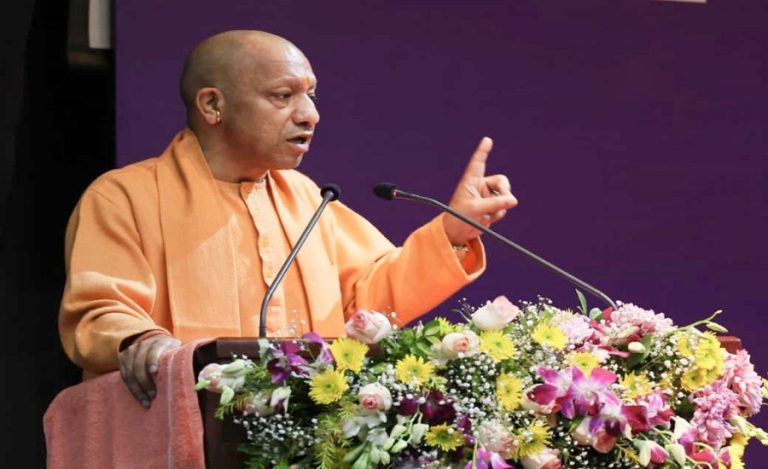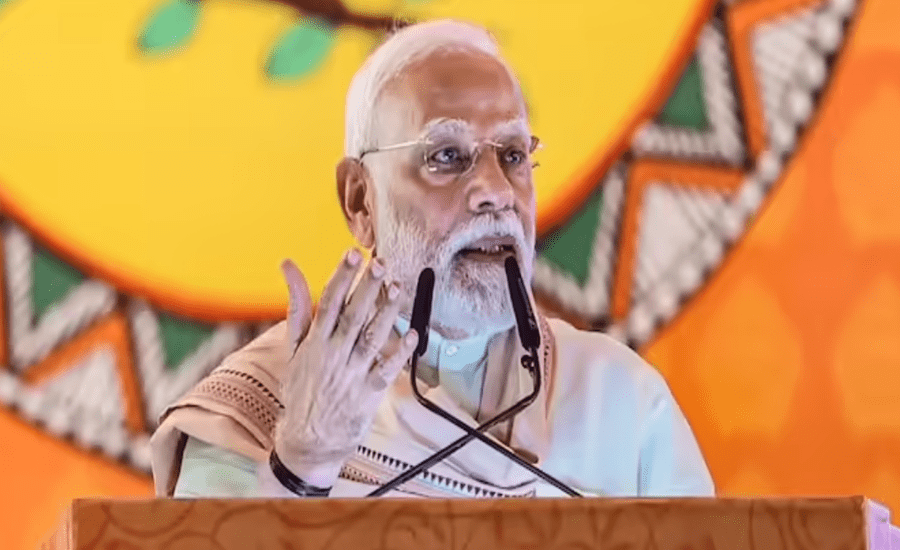
In the 133rd episode of Mann Ki Baat aired on April 26, 2026, Prime Minister Narendra Modi highlighted the rollout of the Census 2027, describing it as a transformative and technology-driven exercise that requires active participation from every citizen.
Calling it the “world’s largest census,” the Prime Minister said the upcoming enumeration marks a significant shift from traditional methods, with the entire process now being conducted digitally. Enumerators visiting households are equipped with mobile applications to record data in real time, ensuring efficiency, accuracy, and faster processing.
Also read: PM Modi Highlights Northeast’s Bamboo Revolution as Catalyst for Innovation and Employment
A key feature of 2027 Census of India is the introduction of self-enumeration, allowing citizens to submit their details online even before the enumerator’s visit. This facility will open 15 days in advance, enabling individuals to fill in their information at their convenience. Upon completion, respondents receive a unique ID via mobile or email, which can be shown to enumerators for verification eliminating duplication and saving time.
The Prime Minister noted that the census exercise is already underway in phases, with house listing and housing data collection having begun in April 2026. So far, enumeration for approximately 1.2 crore households has been completed. The second phase, focusing on population data, is scheduled for February 2027.
Originally planned for 2021, the census was delayed due to the COVID-19 pandemic in India and later rescheduled for 2026–27. The upcoming census will also mark a historic inclusion of caste-based data for the first time since 1931, adding depth to demographic and socio-economic analysis.
The data collected through Census 2027 will play a crucial role in governance and policy-making. It is expected to form the basis for future electoral delimitation under the Delimitation Act, 2002, including the redistribution of seats in the Lok Sabha and implementation of women’s reservation provisions following legislative developments.
The government has ensured that the process is secure, with all information protected through digital safeguards and strict confidentiality protocols. The census is also being conducted in multiple languages to ensure inclusivity across diverse regions, including early enumeration in snow-bound and remote areas.
Urging citizens to contribute actively, the Prime Minister emphasized that the census is not merely a government task but a collective national responsibility. He called on people to participate wholeheartedly to ensure the success of Census 2027, stating that accurate data is essential for shaping India’s future development and governance framework.