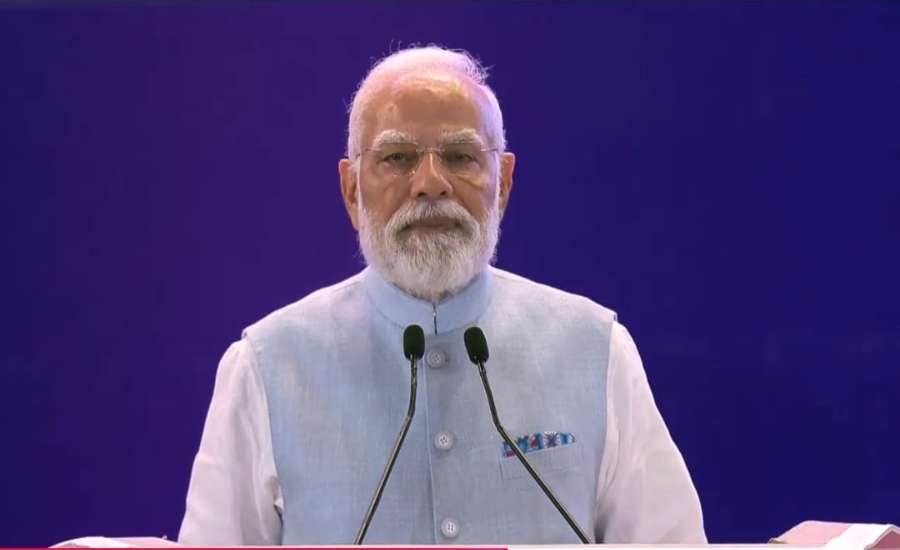
In the 133rd episode of Mann Ki Baat aired on April 26, 2026, Prime Minister Narendra Modi highlighted the rapid transformation of the bamboo industry in India’s Northeast, positioning it as a major pillar of innovation, entrepreneurship, and inclusive economic growth.
Referring to the Northeast as “Ashtalakshmi,” the Prime Minister emphasised the region’s immense natural resources and talent pool. He noted that the bamboo sector, once restricted by colonial-era laws, has now emerged as a thriving industry driving employment and enterprise development across states such as Tripura, Nagaland, Mizoram, and Sikkim.
Also read: Uttar Pradesh to Build 5 New Sports Stadiums Under Yogi Govt to Strengthen Sports Infrastructure and Nurture Talent
A key turning point came in 2017 when the government amended regulations to remove bamboo from the definition of a tree. This policy shift significantly eased restrictions on its harvesting and transportation, enabling entrepreneurs and local communities to re-engage with bamboo-based businesses. The reform has since led to a surge in innovation, value addition, and commercialization in the sector.
Highlighting grassroots innovation, the Prime Minister cited examples from Tripura, where entrepreneurs like Bijoy Sutradhar and Pradeep Chakraborty have leveraged technology to scale up production and improve the quality of bamboo products. In Nagaland’s Dimapur region, self-help groups are developing bamboo-based food products, while craft enterprises are producing furniture and handicrafts with modern design appeal.
In Mizoram’s Mamit district, bamboo cultivation is being integrated with advanced practices such as tissue culture and poly-house management, reflecting a blend of traditional knowledge and modern agricultural innovation. Similarly, in Sikkim, the Lagastal Bamboo Enterprise Team near Gangtok is producing a wide range of value-added products including incense sticks, interior décor, and furniture.
The Prime Minister underlined that women, particularly those associated with self-help groups, are among the biggest beneficiaries of this transformation. The bamboo sector is not only generating employment but also fostering financial independence and entrepreneurship at the grassroots level.
He also urged citizens to support the Northeast’s bamboo ecosystem by purchasing bamboo products, noting that consumer demand can play a crucial role in sustaining livelihoods and encouraging further innovation.
Beyond the bamboo sector, the Prime Minister also highlighted India’s strides in digital innovation, mentioning the efforts of the National Archives of India in digitizing over 20 crore historical documents, thereby preserving the country’s heritage while making it accessible to the public.
The Northeast’s bamboo industry is increasingly emerging as a model of sustainable and innovation-led growth, combining eco-friendly resources with entrepreneurship and policy support, and contributing significantly to India’s evolving green economy.
Also read: Project DANTAK Turns 66: How India’s BRO Transformed Bhutan’s Roads, Airports and Strategic Connectivity