New Delhi: The continued increase in petrol, diesel and CNG prices across India is expected to significantly impact household budgets, push inflation higher and increase pressure on the broader economy as global crude oil prices remain elevated amid geopolitical tensions in West Asia.
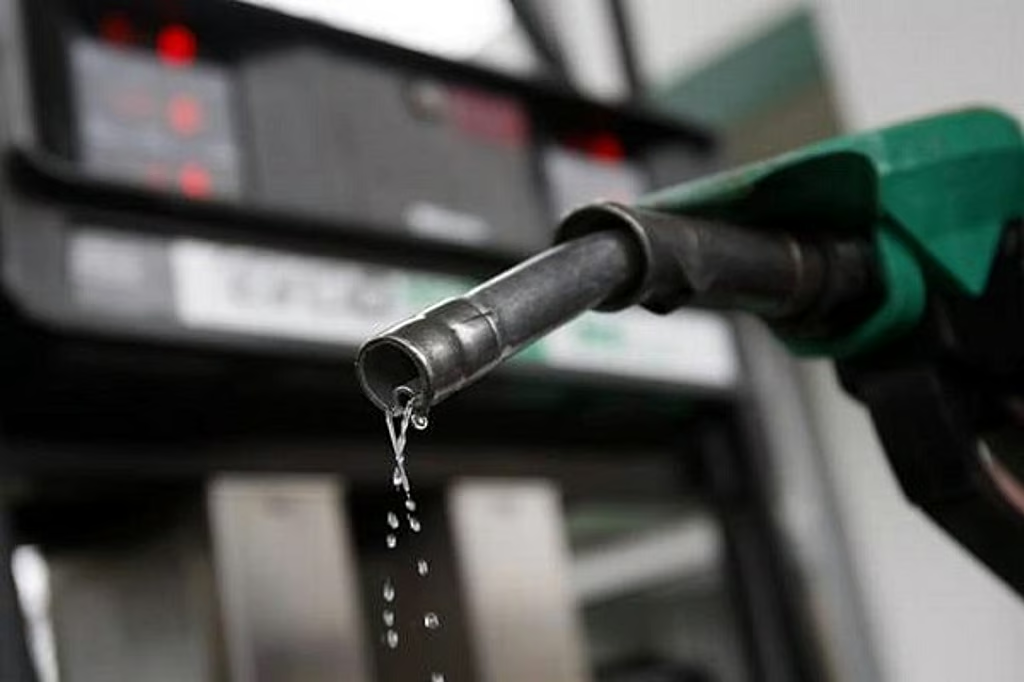
State-owned oil marketing companies on Saturday again raised fuel prices, increasing petrol rates by up to ₹0.87 per litre and diesel prices by ₹0.91 per litre. With the latest revision, cumulative fuel price hikes have reached nearly ₹5 per litre within just 10 days.
CNG prices have also witnessed three consecutive hikes during the same period, crossing ₹80 per kg in Delhi for the first time.
Following the latest increase, petrol prices in Delhi rose to ₹99.51 per litre, while diesel reached ₹92.49 per litre. In Mumbai, Kolkata and Chennai, petrol prices have crossed the ₹105–110 per litre range.
The surge in domestic fuel prices comes after international crude oil prices jumped over 50 per cent since late February due to escalating tensions involving Iran and disruptions around the Strait of Hormuz, one of the world’s most critical oil transit routes.
Household Budgets Under Pressure
The sharp rise in fuel prices is expected to directly affect household finances across urban and rural India.
Higher petrol and diesel prices are likely to increase daily commuting costs for middle-class families, office-goers, transport operators and small business owners.
The increase in CNG prices is also expected to impact auto-rickshaw commuters, cab passengers and households using gas-powered vehicles, particularly in NCR cities such as Delhi, Noida, Ghaziabad and Gurugram.
Experts say transport costs are among the earliest expenses affected during fuel inflation, reducing disposable income and weakening consumer spending power.
In addition, rising fuel costs are expected to increase prices of vegetables, groceries, milk and other essential commodities as transportation and logistics expenses rise across supply chains.
Inflationary Pressure Expected to Rise
Economists have warned that the latest fuel hikes could intensify inflationary pressures in the coming months.
Fuel prices affect nearly every sector of the economy, including transportation, manufacturing, agriculture and services. Diesel, in particular, powers a major share of India’s logistics and freight movement sector, making price increases highly inflationary.
India’s retail inflation rose to 3.48 per cent in April from 3.40 per cent in March, while wholesale inflation climbed to a 42-month high of 8.3 per cent, largely driven by rising energy and fuel costs.
Analysts believe prolonged high fuel prices could further increase food inflation and raise prices of essential goods and services across income groups.
Higher inflation may also reduce the possibility of interest rate cuts by the Reserve Bank of India, keeping borrowing costs elevated for consumers and businesses.
Rising Crude Prices Increase Economic Pressure
The surge in global crude oil prices is also increasing pressure on India’s economy because the country imports nearly 85 per cent of its crude oil requirements.
A higher oil import bill could widen India’s current account deficit, weaken the rupee and place additional pressure on foreign exchange reserves.
Prime Minister Narendra Modi recently urged citizens and government departments to conserve fuel, reduce non-essential travel and encourage remote working wherever possible to reduce energy consumption.
Several state governments have also reportedly directed departments to cut travel expenses and reduce physical office attendance amid concerns over rising fuel and energy costs.
Meanwhile, state-run oil marketing companies continue to face financial strain despite recent fuel price hikes. Petroleum Ministry officials indicated that oil firms are still incurring substantial daily losses because of elevated international crude prices and rising import costs.
Industry experts believe that if crude oil prices remain above $100 per barrel for a prolonged period, India could face increased pressure on inflation, fiscal management and economic growth in the coming quarters.