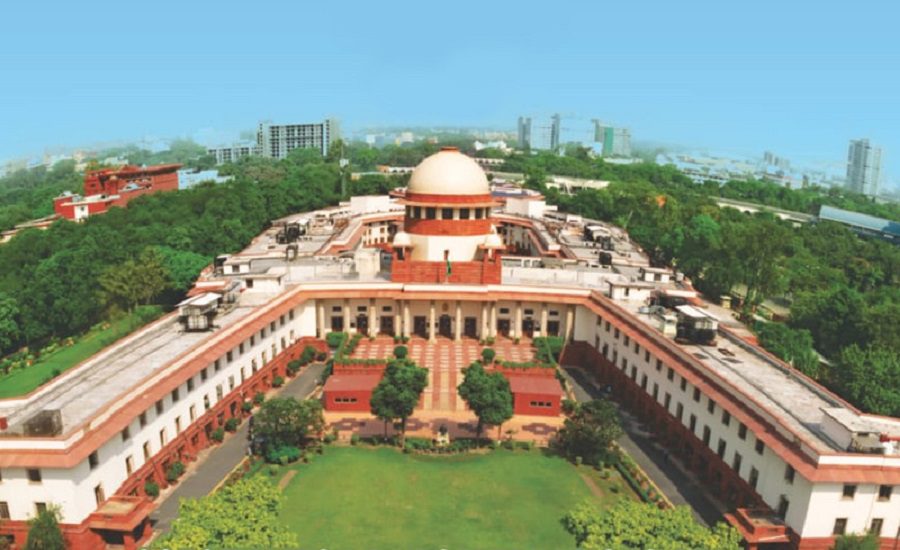
New Delhi: The Supreme Court bans construction activities within 100 Meters Of Rajasthan’s Jojari River in a major step to protect the environment and prevent further ecological damage. The Supreme Court directed that no construction or development activity can take place within 100 meters of the river’s edge. The order was passed in an ongoing suo motu case concerning industrial pollution and environmental degradation in Rajasthan’s river systems.
Jojari River Pollution Case: What Did The Supreme Court Order
A Bench of Justice Vikram Nath and Justice Sandeep Mehta directed that no construction or development activity of any kind will be allowed within 100 meters of the edge of the Jojari River. This restriction will remain in force until the scientific determination and demarcation of the high flood line and ecological buffer zones are completed.
Read also: Can You Lose A Government Job For Hiding A Criminal Case? Supreme Court Explains
Jojari River Pollution Case: Ban On Polluting Activities Within 500 Meters
The Court also imposed an additional environmental safeguard. It ordered that no hazardous industry or potentially polluting activity shall be permitted within 500 meters on either side of the existing flood line or the present flow path of the river. The restriction will continue until scientifically determined ecological buffer zones are finalized.
Jojari River Pollution Case: Why Did The Court Pass This Order
The case originated from serious concerns regarding pollution in Rajasthan’s Jojari River, Bandi River, and Luni River. The Supreme Court had taken suo motu cognizance of the issue after reports highlighted severe contamination and the environmental risks faced by local communities dependent on these river systems.
Protecting River Ecosystems
The Court observed that immediate and measurable protection was necessary to safeguard the river ecosystem while scientific studies on flood lines and ecological buffer zones were carried out. The judges emphasized that environmental protection cannot wait for lengthy administrative processes.
Previous Steps Taken By The Supreme Court
In November 2025, the Supreme Court reviewed earlier directions issued by the National Green Tribunal (NGT) regarding the clean-up of the Jojari, Bandi, and Luni rivers.
The Court established a high-level ecosystem oversight committee headed by former Rajasthan High Court Judge Justice Sangeet Lodha to monitor restoration efforts and pollution control measures.
Coordination Group Created
The Court had earlier directed the Rajasthan government to create an integrated coordination group. This group has been tasked with coordinating efforts between government agencies, environmental authorities, and experts to address industrial pollution and river restoration.
Importance Of The Jojari River
The Jojari River is a seasonal river in Rajasthan that eventually joins the Luni River. For years, environmental groups and local residents have raised concerns over untreated industrial waste, sewage discharge, and chemical pollution affecting the river and nearby communities.
Impact On Public Health And Wildlife
Pollution in the river has affected agriculture, groundwater quality, wildlife habitats, and the health of people living near the river basin. The Supreme Court has repeatedly expressed concern about the environmental and public health consequences of continued contamination.
What Happens Next
Authorities will now scientifically determine the high flood line and ecological buffer zones around the river. The Court stated that the current restrictions will remain in force until this exercise is completed and proper environmental safeguards are established.
Ongoing Monitoring By The Supreme Court
The Supreme Court will continue monitoring compliance with its directions through the oversight committee and coordination group. Further hearings are expected as authorities submit progress reports on pollution control and ecological restoration.
FAQs
The Supreme Court directed that no construction or development activity can take place within 100 meters of the edge of the Jojari River.
The Court imposed the restriction to protect the river ecosystem and prevent further environmental damage while scientific studies on flood lines and ecological buffer zones are completed.
The Court also banned hazardous industries and potentially polluting activities within 500 meters of the river’s flood line or flow path.