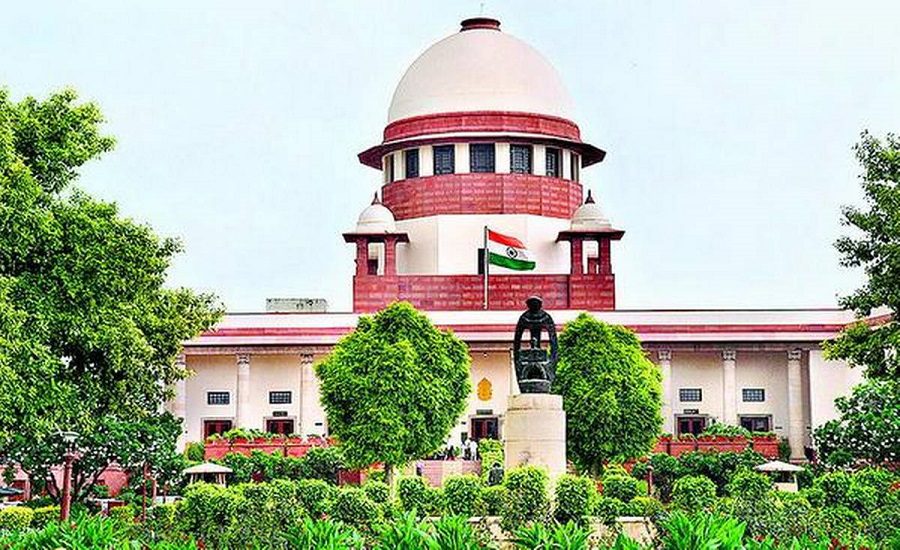
New Delhi: In a significant ruling on 13 November 2025, the Supreme Court of India rejected the plea by the Tamil Nadu government against the proposed Mekedatu dam project by Karnataka.
The Court held the matter to be premature since expert bodies such as the Cauvery Water Management Authority (CWMA) and the Cauvery Water Regulation Committee (CWRC) are yet to complete their review before the detailed project report (DPR) is sanctioned. The decision marks a fresh chapter in the long-running Cauvery water dispute.
Background of Mekedatu Dam Controversy
The Mekedatu project is proposed near the border of Karnataka, on the Cauvery River, with the aim of creating a balancing reservoir and facilitating drinking water and power in areas around Bengaluru.
Over decades, water sharing between Tamil Nadu and Karnataka across the Cauvery basin has been contentious. Tamil Nadu has raised objections to the Mekedatu proposal, seeing it as a potential threat to its share of Cauvery waters.
Read Also: Supreme Court Fights Back Against AI Chaos — Demands Strict Regulation of Generative AI in Judiciary
In previous hearings, the Supreme Court refused to grant a stay on Karnataka’s permission to prepare the DPR in December 2018, labeling the request as not warranting interim relief.
Importance of the Decision
The verdict holds critical importance on multiple fronts:
- Legal precedent: It reinforces the Court’s stance that infrastructure and technical-water-management matters are better assessed through expert bodies rather than direct judicial intervention early on.
- Inter-state water relations: The decision shifts momentum towards Karnataka’s proposal while signalling Tamil Nadu must await completion of the DPR and expert review before using judicial remedy.
- Project viability: By not staying in the DPR process, the path for Mekedatu’s forward movement remains open — subject to approvals and compliance with inter-state obligations.
- Farmers & regional impact: For Tamil Nadu’s agrarian communities, the ruling raises concerns about future water availability from the Cauvery basin. For Karnataka, this opens avenues for meeting urban drinking water demands and regional development.
Challenges
Despite the favourable procedural ruling for Karnataka, several challenges remain:
- Expert body clearance: The CWMA and CWRC must still examine objections and technical reports, which could be lengthy and contentious.
- Sub-mergence & environmental concerns: Previous reports for Mekedatu indicated submergence of large hectares, including wildlife sanctuary and forest land.
- Trust deficit: Historical mistrust between the states means objections may escalate into fresh litigation or political pressure.
- Implementation risk: Even if DPR is approved, actual construction could face regulatory, environmental or inter-state hurdles.
Implications of The Rule in Mekedatu Dam
The ruling implies that Tamil Nadu cannot secure immediate relief via the Supreme Court until the DPR stage completes. Karnataka, on the other hand, is permitted to proceed though subject to obtaining technical and regulatory clearances.
Both states will need to engage in the forthcoming expert review with renewed focus. For the national water-sharing framework, this may refine the role of CWMA and CWRC in future inter-state disputes.
Way Forward
- Tamil Nadu should actively participate in the expert review process and ensure its objections are documented and heard.
- Karnataka must address environmental and downstream flow concerns, maintain transparency about DPR data, and ensure compliance with CWMA/CWRC guidelines.
- The Centre should monitor the process through the Central Water Commission (CWC) and ensure the DPR evaluation is comprehensive, timely and in compliance with equity in water sharing.
- Both states should consider mediation or negotiation frameworks alongside technical review to build sustainable trust and avoid litigation-heavy paths.
- Stakeholder engagement (farmers, environment groups, local communities) must be strengthened so that project outcomes are broader than just state-to-state conflicts.